
Telangana SIR enumeration ends with 21.7% deletions and 35% notices due
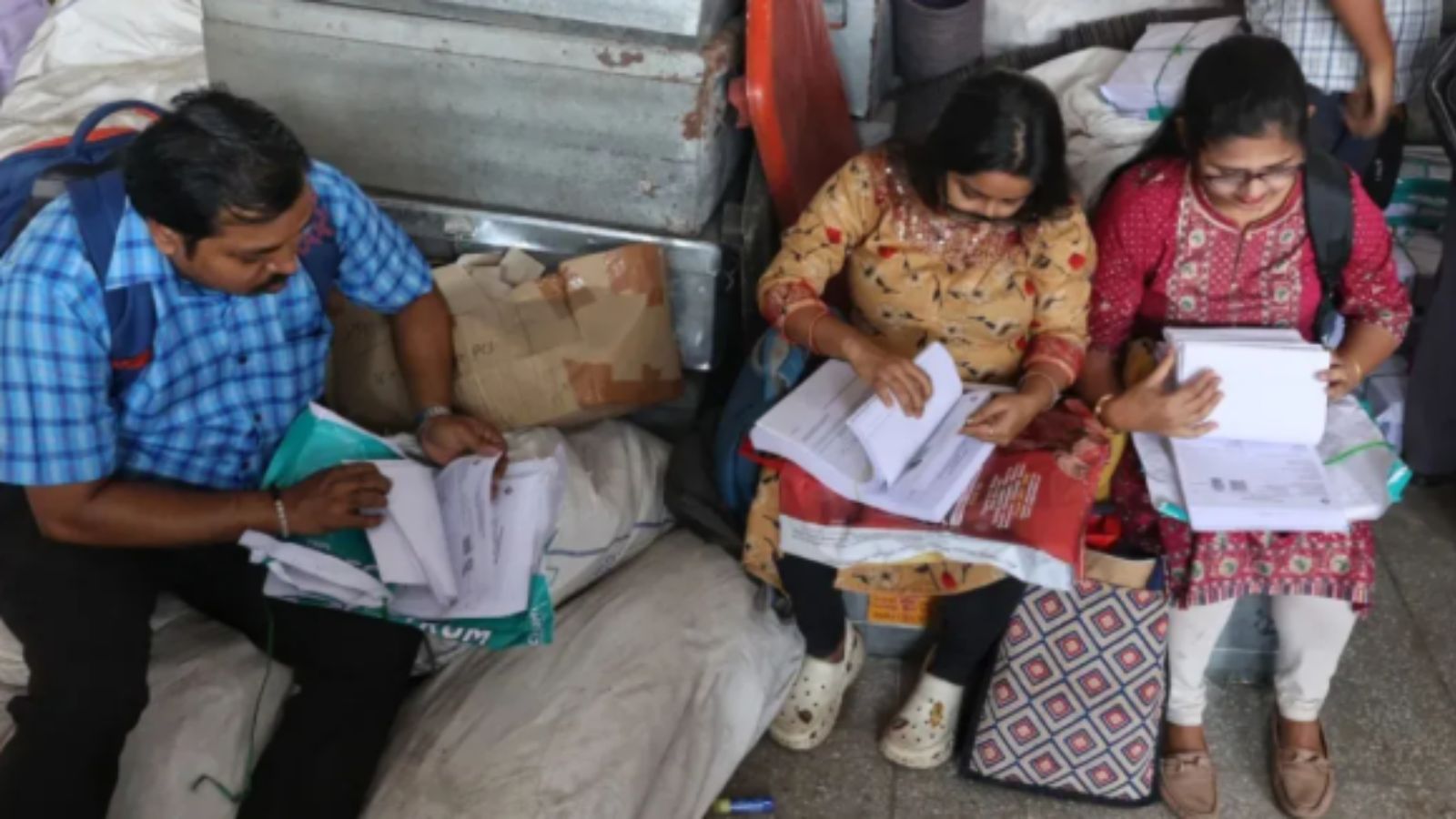
Telangana completed the Special Intensive Revision (SIR) enumeration phase, yielding 21.7% deletions and 35% of electors on draft rolls set to receive notices. The process ran from mid-June to mid-August 2026, with multiple extensions and a draft published on August 17.
Key takeaways
- The SIR rollout in Telangana ran from mid-June to mid-August 2026, with two extensions to August 10.
- Draft rolls showed 78.3% of the 2025 electors; 21.7% were deleted under ASDD categories and related grounds.
- 35% of electors on the draft rolls will receive notices, with the majority for anomalies or logical discrepancies.

What Happened
In Telangana, the Special Intensive Revision (SIR) of Electoral Rolls began on June 15, 2026, with the enumeration phase officially starting on June 25 after preparation, training and printing of Enumeration Forms. The initial deadline for the process was July 24, 2026, but extensions pushed it to August 3 and then August 10. The draft electoral rolls were published on August 17, 2026.
From the 2025 electoral rolls, the draft included 2,64,87,213 electors, which accounted for 78.3% of the total. A total of 73,39,235 names were deleted from the list under Absent, Shifted, Deceased, and Duplicate (ASDD) categories and other grounds.
Of the electors on the draft rolls, 92,87,577 (35%) are slated to receive notices from the Electoral Registration Officers. Among these, 60,50,918 notices relate to anomalies or logical discrepancies, while 32,36,659 notices pertain to not being mapped with the 2002 SIR. The Chief Electoral Officer of Telangana attributed the high number of notices to eleven listed categories of anomalies or discrepancies.
The CEO noted that unmapped voters are predominantly from four capital-region districts, and that urban BLOs were less active in field explanation and mapping compared with rural BLOs. The ASDD category includes death figures supported by death certificates (9,22,229) and duplicates identified via software; other categories like Absent and Shifted voters are viewed with some doubt due to field staffing and activity levels during the exercise.
Officials indicated that names and ages may have seen adjustments since prior revisions, in part due to updates from Aadhaar and earlier SIR rolls, and minor differences on record could trigger notices. The CEO urged voters who might have been mistaken for inclusion in the ASDD list to approach officials for clarification.
Why It Matters
The scale of deletions and notices signals a substantial revision of the electoral rolls, with potential implications for voter eligibility in upcoming electoral exercises. A large share of notices for anomalies could affect how quickly and accurately voters are mapped to the correct electoral segments, and it highlights the complexity of aligning contemporary data with earlier revision cycles. The concentration of unmapped voters in the capital region suggests regional disparities in outreach and fieldwork that could influence future enrollment steps.
Background
The SIR is a targeted revision of the electoral rolls designed to clean up entries, map electors to current constituencies, and rectify inconsistencies identified during prior revisions. The 2002 SIR serves as a reference point for mapping and anomalies cited in the current process. The exercise involves multiple tiers of officials and a large cadre of field staff for distribution and collection of Enumeration Forms.
Key Facts
- The SIR began in Telangana on June 15, 2026.
- The Enumeration Phase started on June 25, 2026.
- Initial deadline was July 24, 2026; extended to August 3 and then August 10.
- Draft rolls published on August 17, 2026.
- Total electors on the 2025 rolls: 2,64,87,213 (78.3% of the roll).
- Deleted names: 73,39,235 (21.7%) under ASDD and related grounds.
- Electors to receive notices: 92,87,577 (35%).
- Notices for anomalies/logical discrepancies: 60,50,918; not mapped with 2002 SIR: 32,36,659.
- Eleven kinds of listed anomalies/logical discrepancies by the CEO.
- Unmapped voters concentrated in the capital region’s four districts; urban BLOs less active than rural BLOs.
- Death-based deletions supported by death certificates: 9,22,229.
- Names and ages may have changed since prior revisions due to updates and re-mapping; minor differences can trigger notices.
What Happens Next
The notices issued will guide electors to rectify or confirm entries. Officials expect continued processing of amendments and mappings as the process moves toward final revision, with further steps dependent on voter responses and administrative checks.
Sources reviewed
Project Chintan independently synthesized and analyzed information cross-checked across the sources listed above.
Related stories

Bescom invites tenders for 500MW solar project under CM-SKY
Telangana SIR draft rolls: 73.39 lakh deleted, 92 lakh to receive notices

Devotees throng Nagoba temple on Naga Panchami at Keslapur