Swiggy IOCC move could trigger $400m index outflows
Swiggy advances toward Indian-owned-and-controlled status, capping foreign stake at 49.5% and seeking RBI approval. Jefferies warns of passive outflows exceeding $400 million from MSCI and FTSE indices once IOCC is in place.
Key takeaways
- Swiggy is moving toward Indian-owned and controlled status with a 49.5% foreign ownership cap.
- Shareholders approved the cap and Swiggy will seek RBI approval to formalize IOCC.
- Jefferies warns the shift could cause passive outflows exceeding $400 million from MSCI and FTSE indices.
What Happened
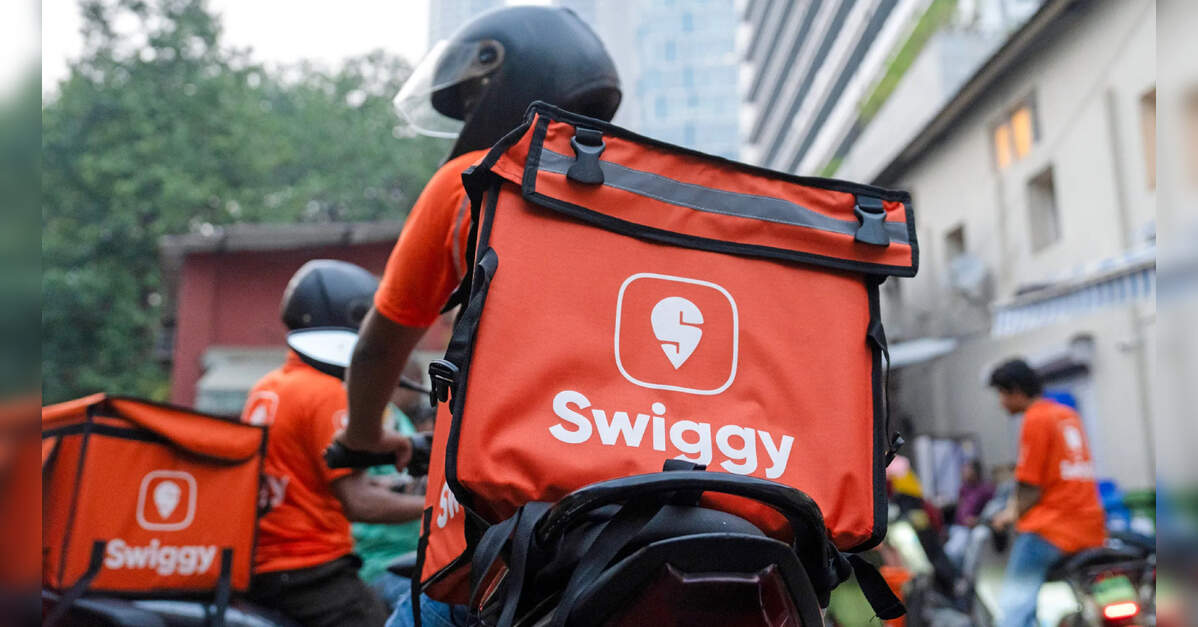
Swiggy’s board and shareholders approved measures to move the company closer to Indian-owned and controlled status (IOCC). The approval caps foreign ownership at 49.5% and enables Swiggy to pursue RBI clearance to enforce the cap, a step that would let Instamart, its quick-commerce arm, operate under an inventory-led model. Jefferies, the broker, argues this transition could trigger passive outflows from international indices, potentially exceeding $400 million, as the stock would be excluded from MSCI and FTSE benchmarks.
Why It Matters
The shift to IOCC is positioned to support Swiggy’s inventory-led approach for Instamart, which Jefferies says could yield about 80 basis points of margin upside. However, the expected index exclusions could cause large standardized fund flows to exit the stock, affecting liquidity and demand from index-tracking funds. The timing suggests the process would begin with notifying depositories and may require 2–3 weeks to implement the changes after approvals are in place.
Background
As of early August, Swiggy’s ownership stood at approximately 50.5% by domestic investors and 49.5% foreign, placing the company near the proposed 49.5% cap. The new framework relies on RBI approval to formalize the foreign-cap arrangement. This regulatory path is linked to aligning Swiggy’s corporate structure with IOCC norms and enabling the inventory-driven model for Instamart.
Key Facts
- Swiggy’s proposed IOCC status includes a foreign ownership cap of 49.5%.
- Shareholders approved the cap and the path to RBI approval.
- Swiggy aims to apply for RBI clearance to enforce the cap.
- The IOCC move is expected to support an inventory-led model for Instamart.
- Jefferies projects passive outflows of over $400 million from MSCI and FTSE indices after the switch.
- As of early August, domestic ownership was about 50.5% and foreign ownership 49.5%.
- If foreign holding nears the cap, it could trigger a red-flag and compel FPIs to divest within five trading days to domestic buyers.
- Benchmark updates and index removals could occur 2–3 business days after the divestment event is recorded.
- Jefferies maintains a Buy rating with a target price of Rs 435 per share.
- Swiggy’s stock had fallen about 1% over the last week and around 30% year-to-date at the time of the report.
What Happens Next
Swiggy will notify depositories to begin the process required to implement the foreign-cap change, with a likely 2–3 week window for completion after approvals. The outcome hinges on RBI clearance and the practical rebalancing of index eligibility by MSCI and FTSE, which would determine whether passive investors reallocate away from Swiggy.
Sources reviewed
Project Chintan independently synthesized and analyzed information cross-checked across the sources listed above.
Related stories

Bengaluru sees sharp rise in flower and fruit prices before Varamahalakshmi festival

Yash corrects interviewer: Kannada, not Kannad, goes viral

Kerala farmer leader builds 30,000-farmer campaign to save 1,000 rice varieties