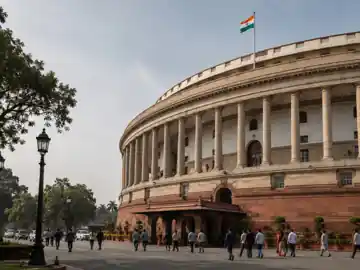
South calls for fairness in funds, voice and delimitation at SZC meet
Karnataka Chief Minister pressed for greater southern representation and tax devolution, urging the Southern Zonal Council to back a 1971 census basis for delimitation and to keep Lok Sabha seats unchanged while allowing women’s reservation within them.
Key takeaways
- Shivakumar pressed for better devolution of taxes to southern states and stronger representation in delimitation.
- The 1971 census basis was urged to be honoured for delimitation, with no change to Lok Sabha’s 543 seats for 25 years and women’s reservation within that total.
- Karnataka’s share in the divisible pool fell from 4.7% to 3.6% under the 15th Finance Commission, with claimed losses and unreleased grants cited.

What Happened
The Karnataka Chief Minister, D.K. Shivakumar, addressed the 31st Meeting of the Southern Zonal Council in Mahabalipuram and pressed for greater fairness for southern states in fiscal devolution and political delimitation. He called for honoring the 1971 population basis for delimitation and for keeping the Lok Sabha’s total strength at 543 seats for the next 25 years, while accommodating women’s representation within the existing seat count. The council meeting was chaired by Home Minister Amit Shah.
Shivakumar highlighted the south’s financial and economic contribution, arguing that southern states form a substantial part of the economy and should receive greater devolution of taxes and stronger political weight in delimitation discussions. He noted Karnataka’s role in software exports and investment, and urged the Union government to ensure the south’s voice is protected in federal arrangements.
The Chief Minister also discussed Karnataka’s share in the divisible pool under the 15th Finance Commission, noting a decline from 4.7% to 3.6% and alleging a significant potential loss to the state over six years. He claimed that certain grants under the 15th Finance Commission had not been released yet, even as Karnataka’s share under the 16th Finance Commission rose to 4.131%.
Additionally, Shivakumar urged the Southern Zonal Council to adopt a resolution that freezes the number of Lok Sabha seats at the current level and reserves space for women within that fixed total, arguing that the south’s population growth should not erode its political voice.
Why It Matters
Shivakumar framed the demand as part of a broader argument about fairness in India’s federal framework, linking fiscal devolution with political representation. By tying economic strength to the need for voice in delimitation, the plea seeks to maintain regional influence while the Union considers changes to tax allocations and parliamentary seat distribution. The discussion occurs amid ongoing debates over how census data and seat allocations affect regional power within the country’s parliamentary system.
The assertion that the south contributes a large share of GDP and has significant software export activity underlines the push for policy instruments that align fiscal resources with regional economic contributions. If the southern states were to see a sustained rise in tax devolution and in political weight, the composition of fiscal and legislative power in India could be influenced over time.
Background
The meeting took place in a context where the Southern Zonal Council gathers chief ministers and other senior officials from five southern states to discuss cross-border issues and cooperative federal matters. The 1971 population basis has historically guided delimitation, and debates over the number of Lok Sabha seats have long been a feature of federal discussions. The 15th and 16th Finance Commissions determine state shares in the divisible pool and related grants, affecting fiscal flows across states.
Key Facts
- The meeting occurred on August 20, 2026, in Mahabalipuram, Tamil Nadu.
- Home Minister Amit Shah chaired the 31st meeting of the Southern Zonal Council.
- Southern states account for about 33% of India’s GDP while housing about 20% of the population.
- Karnataka accounts for 42% of India’s software exports and hosts around 1,100 Global Capability Centres; it attracted over 21% of India’s FDI equity inflows between 2019 and 2025.
- Karnataka contributes approximately 9% to India’s GDP with 5.5% of the population.
- Karnataka’s share in the divisible pool under the 15th Finance Commission fell from 4.7% to 3.6%, reportedly costing around ₹65,000 crore over six years.
- The 15th Finance Commission reportedly did not release its special grant of ₹5,495 crore or state-specific grants of ₹6,000 crore.
- The 16th Finance Commission increased Karnataka’s share to 4.131%.
- Shivakumar urged honoring the 1971 census basis for delimitation and protecting the South’s representation in absolute numbers and proportion.
- He proposed freezing Lok Sabha seats at the current total while allowing women’s reservation within that fixed number.
What Happens Next
The Southern Zonal Council is requested to adopt a resolution reflecting the call for delimitation based on the 1971 census and for maintaining the current Lok Sabha seat count with women’s reservation within that framework. The outcome depends on consensus within the Council and broader Union government considerations.
Sources reviewed
Project Chintan independently synthesized and analyzed information cross-checked across the sources listed above.
Related stories
CJP slams disallowing of NEET questions in Lok Sabha

Moitra seeks Birla’s intervention over Nadia Circuit House eviction bid

Congress accuses Modi of dishonest pitch on women’s reservation