Security Tightened for Sophie Straat in Genk Following Discrimatory Call Controversy
Dutch protest singer Sophie Straat performed under heavy police presence in Belgium after demanding white heterosexual men move to the back of the venue. Despite widespread criticism and accusations of discrimination, the artist labeled the surrounding political climate as neofascist.
Key takeaways
- Festival organizers in Genk deployed undercover security and worked with police to prevent potential unrest during the Sophie Straat concert.
- The Dutch Public Prosecution Service has confirmed that Straat’s call for specific groups to move to the back of the venue is not a punishable crime.
- Straat dismissed discrimination claims as a distraction, labeling the current political landscape in the Netherlands and Belgium as neofascist.

Security Measures and Public Response
Heightened safety protocols defined Sophie Straat’s performance in Genk, Belgium, on Friday night. Local law enforcement and festival organizers deployed both visible and undercover security personnel to monitor the event. According to coordinator Wim Smets, officials specifically screened for agitators carrying provocative banners, though the concert concluded without physical altercation or disruption.
The FLINTA Moshpit Mandate
During the final segment of her set, Straat repeated her controversial demand for white, cisgender, heterosexual men to vacate the front of the stage. The singer aims to reserve the moshpit area for women, queer individuals, and people of color, seeking an environment free from what she describes as brute physical strength and testosterone. The audience complied with the instruction, effectively splitting the hall into two distinct demographic zones.
Why It Matters
This incident follows a previous appearance at the Best Kept Secret festival, which triggered hundreds of formal complaints and a review by the Dutch Public Prosecution Service. Authorities ultimately determined that Straat’s call for demographic segregation at her shows does not constitute a criminal offense. The Genk festival organizers refused to censor the artist beforehand, citing a commitment to artistic expression despite the public outcry.
Artist Response to Criticism
Addressing the controversy mid-performance, Straat rejected claims that her actions are discriminatory. She characterized the debate as a distraction from systemic inequality, asserting that one cannot claim universal equality within a historically unequal system. The singer further criticized the current political atmosphere, telling the crowd that they reside in a neofascist environment and vowing not to let her tour be derailed by ideological opponents.
Key Facts
- Security for the Genk show involved close collaboration between festival staff and local police.
- The Dutch Public Prosecution Service previously ruled that Straat’s stage demands are not illegal.
- The singer utilized the term neofascist to describe the social and political state of both the Netherlands and Belgium.
- Organizers reported no incidents despite the heavy police presence and potential for unrest.
Source: AD.nl
Related stories
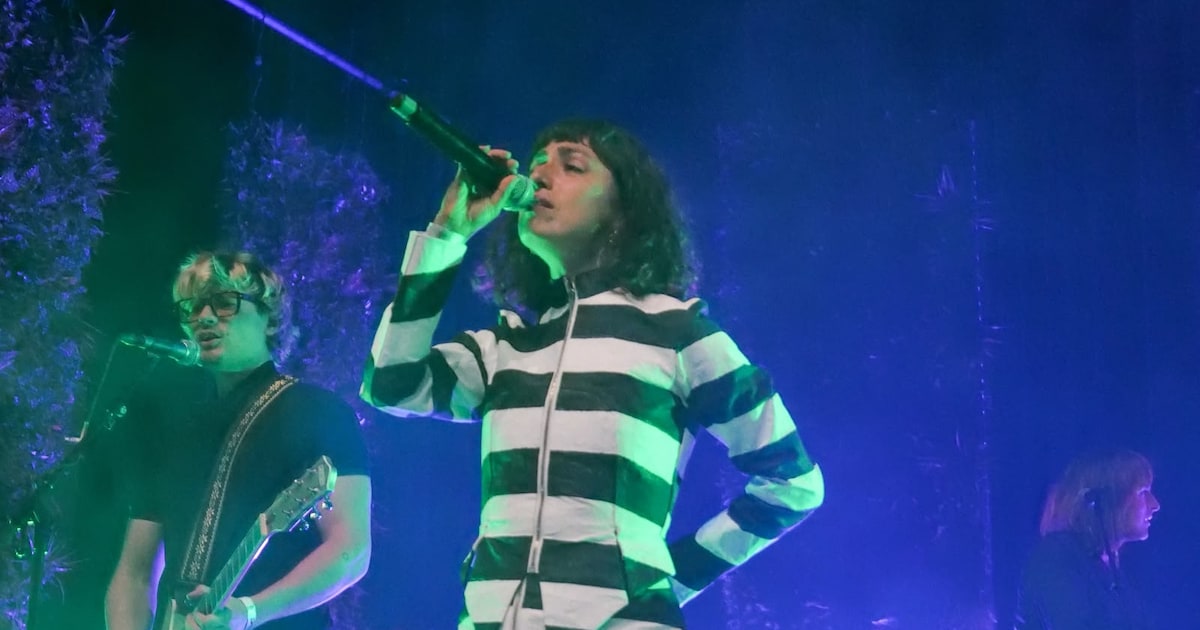
Sophie Straat Repeats Calls for Gender Separation During Tense Genk Performance
/s3/static.nrc.nl/wp-content/uploads/2026/08/03163450/030826VER_2035674344_.jpg)
Prosecutors Dismiss Criminal Complaints Over Sophie Straat Performance Comments

CJP Founder Abhijeet Dipke Demands Removal of Police Sub-Inspector Over Residence Access