
Skymet cuts 2026 monsoon forecast, drought odds rise
Skymet trimmed its 2026 southwest monsoon outlook to 85% of the long-period average with a 70% drought probability. IMD had earlier scaled its forecast to 90% of LPA, signaling uncertain rainfall through late monsoon season.
Key takeaways
- Skymet lowered the 2026 SW monsoon forecast to 85% of LPA with a 70% chance of drought.
- IMD's forecast had been updated to 90% of LPA, down from 92% previously.
- June–July rainfall was 13% below the long-term average, with August and September forecasts at 84% and 80% of LPA respectively.
What Happened
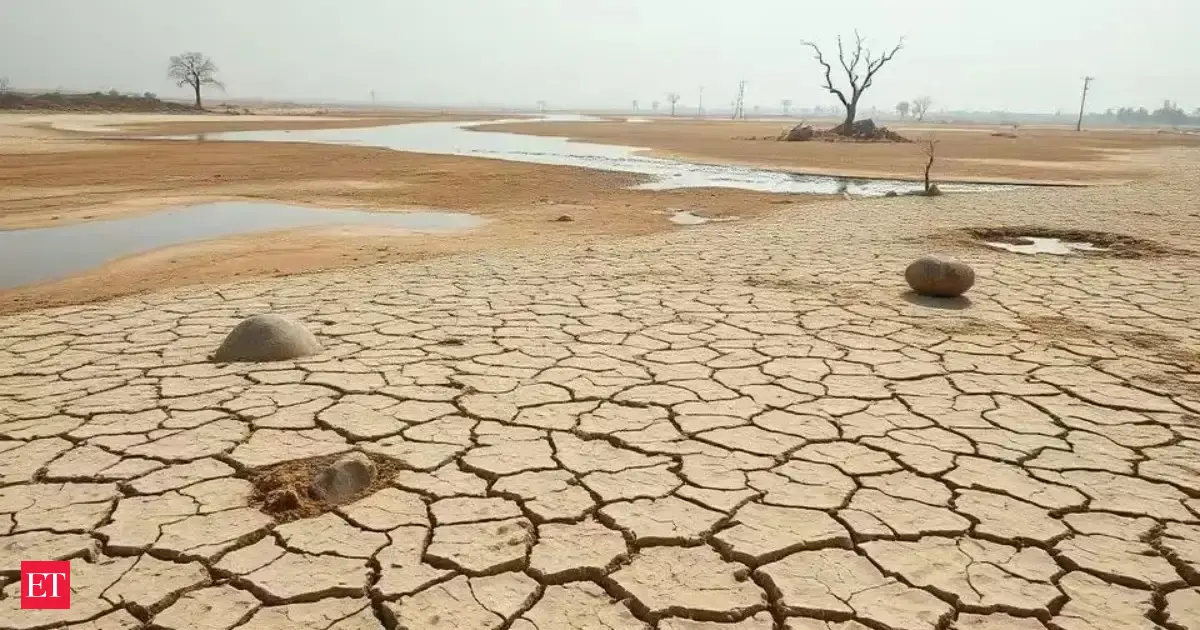
Private forecaster Skymet revised its 2026 southwest monsoon outlook downward to 85% of the long-period average (LPA), accompanied by a 70% likelihood of drought. This followed an earlier projection in April that the monsoon would be around 6% below normal (about 94% of LPA). Skymet cited intensifying El Niño conditions and potential uncertainty around the Indian Ocean Dipole as factors shaping the remainder of the monsoon season. During the period from June 1 to July 31, rainfall across the country was recorded as 13% below the LPA. Skymet also forecast August rainfall at 84% of LPA and September rainfall at 80% of LPA. The El Niño phenomenon, according to Skymet, is strengthening and may move from a strong to a very strong category by early September.
Separately, India’s weather office, the India Meteorological Department (IMD), had updated its own 2026 southwest monsoon forecast earlier to 90% of LPA, down from an earlier projection of 92% of LPA. The IMD forecast for the August–September period was expected to be lower than 94% of LPA, based on its assessment at the time.
Why It Matters
The distribution and timing of monsoon rainfall are crucial for sowing decisions of major kharif crops such as paddy, cotton, pulses, and oilseeds. Persistent variability in rainfall can impact agricultural output and foodgrain supply, with broader implications for the economy given the sector’s importance in India. Historical context indicates that El Niño-driven rainfall variability has previously coincided with weaker foodgrain production, underscoring how shifts in seasonal forecasts can influence policy and market expectations.
Background
Monsoon variability in 2023, driven by El Niño, contributed to a reduction in foodgrain output by about 6.1% in the 2023-24 crop year. India typically receives a substantial portion of its annual rainfall during the four-month monsoon season, which underpins a large share of agricultural output. The IMD provides an official forecast for the southwest monsoon, which is separate from private sector assessments like Skymet’s outlook but is often used in tandem by policymakers and market participants.
Key Facts
- Skymet’s 2026 SW monsoon forecast downgraded to 85% of LPA with a 70% drought probability.
- Skymet’s prior April projection indicated roughly 6% below normal rainfall (94% of LPA).
- June 1–July 31 nationwide rainfall was 13% below the LPA.
- Skymet’s August forecast: 84% of LPA; September forecast: 80% of LPA.
- El Niño conditions are strengthening and may transition to a very strong category by early September, per Skymet.
- IMD’s updated forecast for 2026 SW monsoon: 90% of LPA, down from 92% previously.
- IMD’s outlook suggested August–September rainfall likely to be below 94% of LPA.
- Historical note: El Niño-driven unpredictability contributed to a 6.1% drop in foodgrain output in 2023–24.
- Monsoon accounts for a large share of annual rainfall and foodgrain production in India.
What Happens Next
Forecasts for August and September rainfall remain uncertain and are closely tied to the evolving El Niño pattern. Official weather agencies are expected to issue updated projections as the season progresses, which will influence agricultural planning, pricing, and policy responses. Market participants and farmers will monitor the trajectory of the monsoon and potential drought conditions as the season moves forward.
Sources reviewed
Project Chintan independently synthesized and analyzed information cross-checked across the sources listed above.
Related stories

Kolkata hit by waterlogging as heavy rains lash city and surrounds

North Odisha floods persist as IMD warns of continued rains till Aug 18

IMD foresees heavy to extremely heavy monsoon rain across eastern and northern India
