Silver Price Surges Past $66 Ahead of Key Inflation Data
Silver prices climbed above $66 per ounce on Wednesday, August 12, 2026, reaching levels not seen since June. This rise occurred as market participants awaited key inflation reports that could influence Federal Reserve interest rate decisions.
Key takeaways
- Silver traded above $66 per ounce on Wednesday, August 12, 2026, reaching its highest level since June.
- The rally precedes key US inflation reports (CPI and PPI) expected to influence Federal Reserve interest rate decisions.
- Silver has shown significant year-over-year gains, increasing by approximately 75.15%.
- The metal is valued as a hedge against inflation and has industrial applications, making its price sensitive to both investment and economic demand.
What Happened
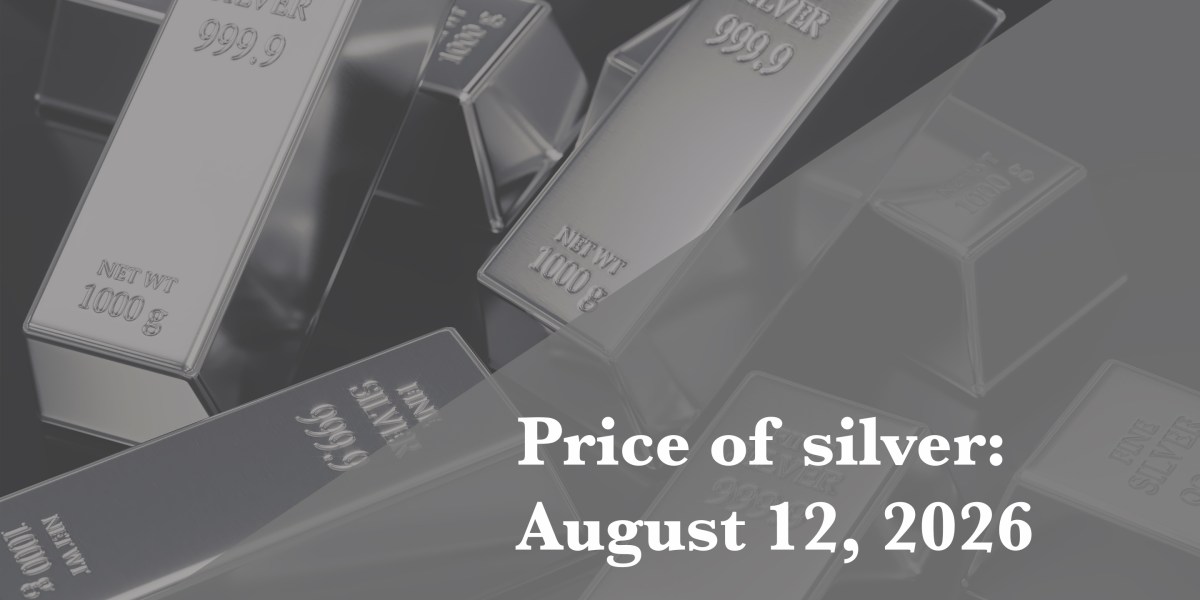
Silver prices surged on Wednesday, August 12, 2026, with the metal trading above $66 per ounce. This marks a significant increase, with one report noting it as the highest point since June.
The rally in silver is occurring ahead of the release of the July Consumer Price Index (CPI) report. Expectations are for the CPI to show a moderation in inflation compared to June. Analysts suggest that if the report indicates easing inflation, particularly in core CPI, it could decrease the likelihood of a Federal Reserve rate hike in September. Such an outcome would likely further support silver prices in the short term.
Why It Matters
Silver's performance is closely watched as an indicator of inflation expectations and potential monetary policy shifts. The metal is often considered a hedge against inflation. Its recent gains are influenced by broader economic factors, including hopes for a US-Iran deal and a softer-than-expected Non-Farm Payrolls report. The upcoming US Producer Price Index (PPI) data, due the day after CPI, will also be a key factor for market sentiment.
Historically, silver has been viewed as a store of value, though it is more volatile than gold due to its significant industrial demand in sectors like solar equipment, healthcare devices, and electronics. While gold is primarily a safe-haven asset, silver's price can swing more sharply based on both investment demand and industrial consumption.
Key Facts
- As of 6:30 a.m. Eastern Time on Wednesday, August 12, 2026, silver traded at $66.40 per ounce.
- Silver September futures opened at $64.87 per ounce on Wednesday, August 12, 2026.
- By 7:45 a.m. ET on Wednesday, August 12, 2026, silver had reached $66.49 per ounce.
- Silver prices have gained approximately $1.44 from the previous day.
- Over the past 12 months, silver has shown a gain of more than $28 per ounce.
- Silver prices have increased by approximately 2.21% from yesterday and 10.92% from one month ago.
- Year-over-year, silver prices have risen by approximately 75.15%.
- One week ago, silver prices were up approximately 3.9%.
- One month ago, silver prices were up approximately 8.2%.
- One year ago, silver prices were up approximately 72.8%.
- The US CPI report is expected today, with the US PPI data and US Jobless Claims figures scheduled for tomorrow.
Background
Silver's historical performance shows it has underperformed the S&P 500 by about 96% since 1921. However, it is valued for its stability and its ability to act as a hedge against inflation. Unlike gold, which is almost purely a safe-haven asset, silver prices are influenced by industrial demand. The price spread in silver trading refers to the difference between the buying and selling prices, with a narrower spread indicating higher demand.
Investment in silver can be made through physical ownership or via silver-backed exchange-traded funds (ETFs). Common investment options include bullion bars, rounds, and government-minted coins.
Sources reviewed
Project Chintan independently synthesized and analyzed information cross-checked across the sources listed above.
Related stories

Tamil Nadu Government Secures Rs 67,542 Crore Investment Commitments in 100 Days

Rick Jackson Proposes Economic Plan to Revitalize Historic Business Districts

India's Retail Inflation Stable at 4.45% in July Amidst Food and Fuel Price Hikes