
Shadows of the 2016 Crackdown: The Lasting Toll of Pellet Munitions in Kashmir
Introduced as a non-lethal crowd control measure in 2010, pellet guns have left a trail of permanent injuries across Jammu and Kashmir. Victims from the 2016 unrest continue to seek justice while grappling with total sight loss.
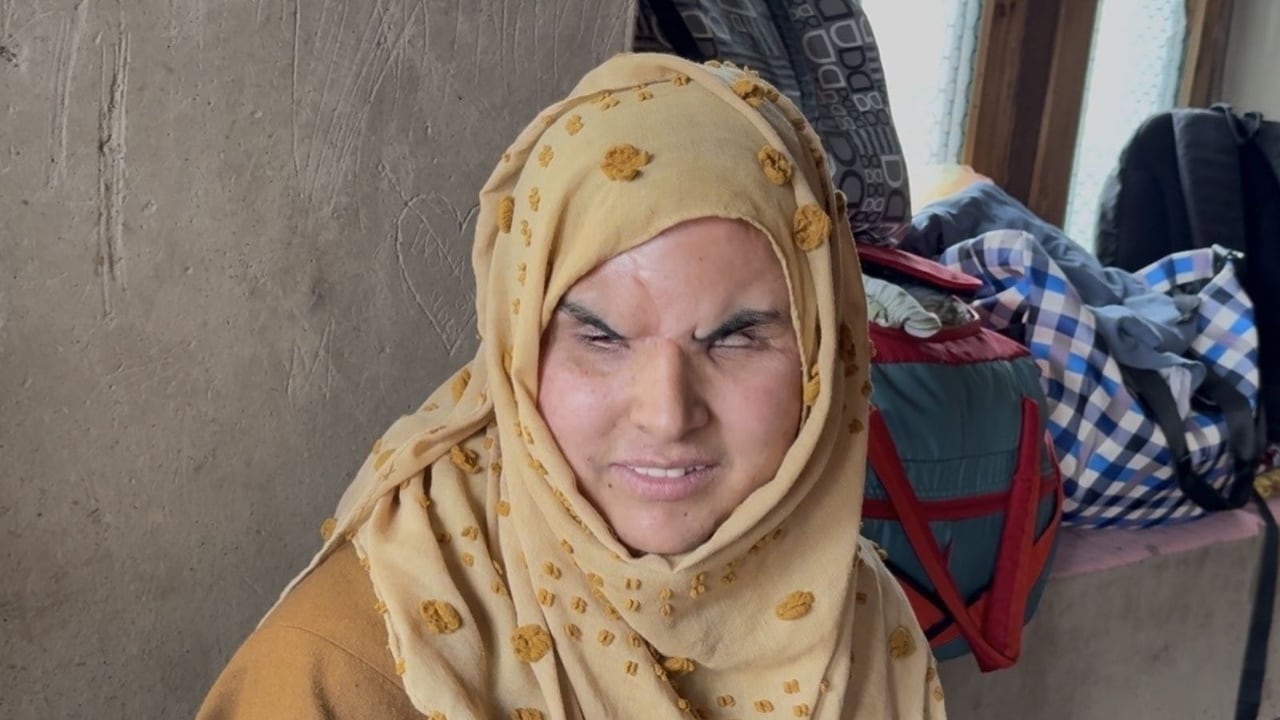
From Crowd Control to Permanent Disability
In 2010, authorities introduced pellet guns to the Jammu and Kashmir region, marketing the hardware as a safer alternative to live ammunition for managing civil unrest. However, the widespread deployment of these weapons reached a fever pitch in 2016, leading to a surge in ocular traumatology cases. Medical records and survivor accounts indicate that the "less-lethal" designation fails to account for the catastrophic physical impact on civilians caught in the crossfire.
The Human Cost of Kinetic Force
Among those permanently altered by the 2016 violence is a woman who lost her sight at age 14. Her experience reflects a broader pattern of injuries sustained during protests where security forces utilized multi-pellet cartridges. These cartridges disperse hundreds of small lead shards upon firing, making precision impossible and increasing the likelihood of facial and eye injuries.
- 2010: Initial introduction of pellet-firing shotguns in the Kashmir Valley.
- 2016: Peak usage period resulting in hundreds of recorded eye surgeries.
- Long-term impact: Total blindness and psychological trauma for teenage victims.
The recent demonstrations in Delhi have brought these historical grievances back to the forefront. Activists and survivors argue that the use of such weaponry violates basic human rights standards, as the spray of metal pellets often hits bystanders and non-combatants. Despite international scrutiny, the legacy of the 2016 crackdown persists through a generation of youth now living with permanent sensory disabilities.
Source: NDTV — Top Stories
