Sarawak Facing Prolonged Heat and Transboundary Haze Through Mid-August
MetMalaysia reports that Sarawak will endure high temperatures and minimal rainfall until August 14. Southern regions face additional visibility issues and transboundary haze from neighboring hotspots.
Key takeaways
- Hot weather and low rainfall are forecast for most of Sarawak until August 14.
- Eight monitoring stations in the state have recorded unhealthy Air Pollutant Index readings.
- Southerly winds are bringing transboundary haze into southern Sarawak from neighboring hotspots.
- MetMalaysia director-general Dr. Mohd Hisham Mohd Anip attributes reduced visibility to the combination of wind and high hotspot counts.
What Happened
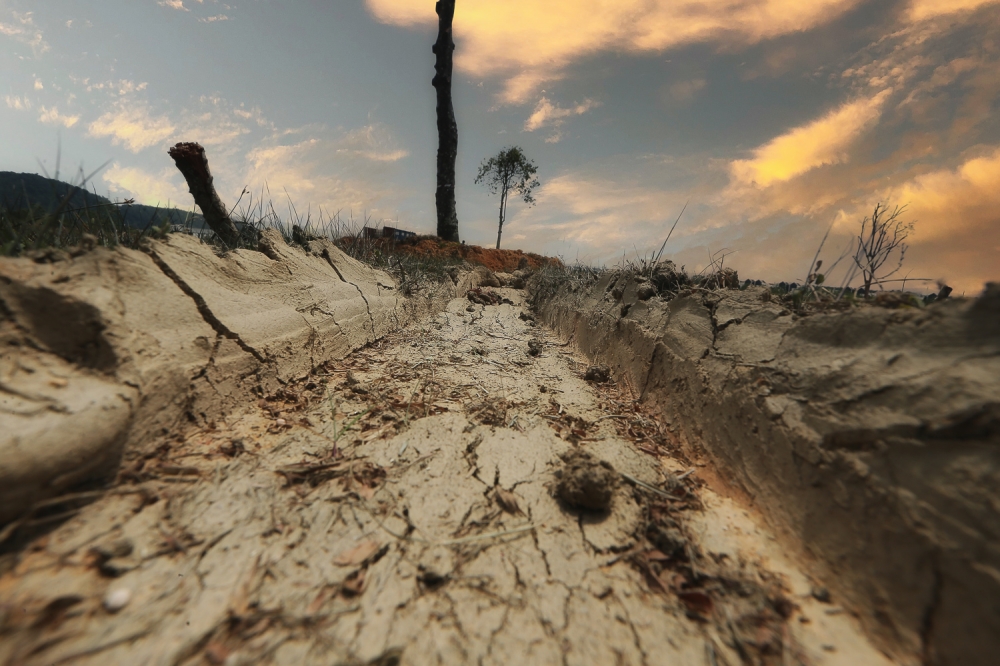
The Malaysian Meteorological Department (MetMalaysia) has issued a notice regarding atmospheric conditions in Sarawak, predicting a period of intense heat and limited precipitation. According to Director-General Dr. Mohd Hisham Mohd Anip, these weather patterns are expected to persist until at least August 14. Current data indicates that eight monitoring stations across the state have already registered Air Pollutant Index (API) levels categorized as unhealthy.
Why It Matters
The combination of dry weather and southerly winds is transporting smoke from hotspots located in neighboring territories into southern Sarawak. This movement creates transboundary haze, which significantly reduces local visibility and degrades air quality. The convergence of below-average rainfall and high hotspot counts increases the environmental pressure on the region during this window.
Key Facts
- Forecast Duration: The current dry spell and heat are projected to last until August 14, 2026.
- Air Quality Status: Eight specific locations within Sarawak have reached unhealthy levels on the Air Pollutant Index.
- Wind Patterns: Southerly winds are the primary drivers moving haze from external hotspots into the state.
- Regional Impact: While most of Borneo is affected by below-average rainfall, southern Sarawak is particularly vulnerable to reduced visibility.
Sources reviewed
Project Chintan independently synthesized and analyzed information cross-checked across the sources listed above.
Related stories
Severe Thunderstorm Warnings Issued Across Chicago Metro Area

Senate Democrats Wargame Election Scenarios Amid Anticipated Dec. Budget Deadlocks

Critique of Strictly Come Dancing Casting Frustrations and the 2026 Line-Up