
Rs 835 Crore Epic: Nitesh Tiwari’s Ramayana Shatters Indian Budget Records
Producer Namit Malhotra has confirmed a budget of nearly $500 million for the two-part adaptation of Ramayana. The project utilizes advanced AI dubbing and international-standard VFX to bring the Indian epic to global IMAX screens.
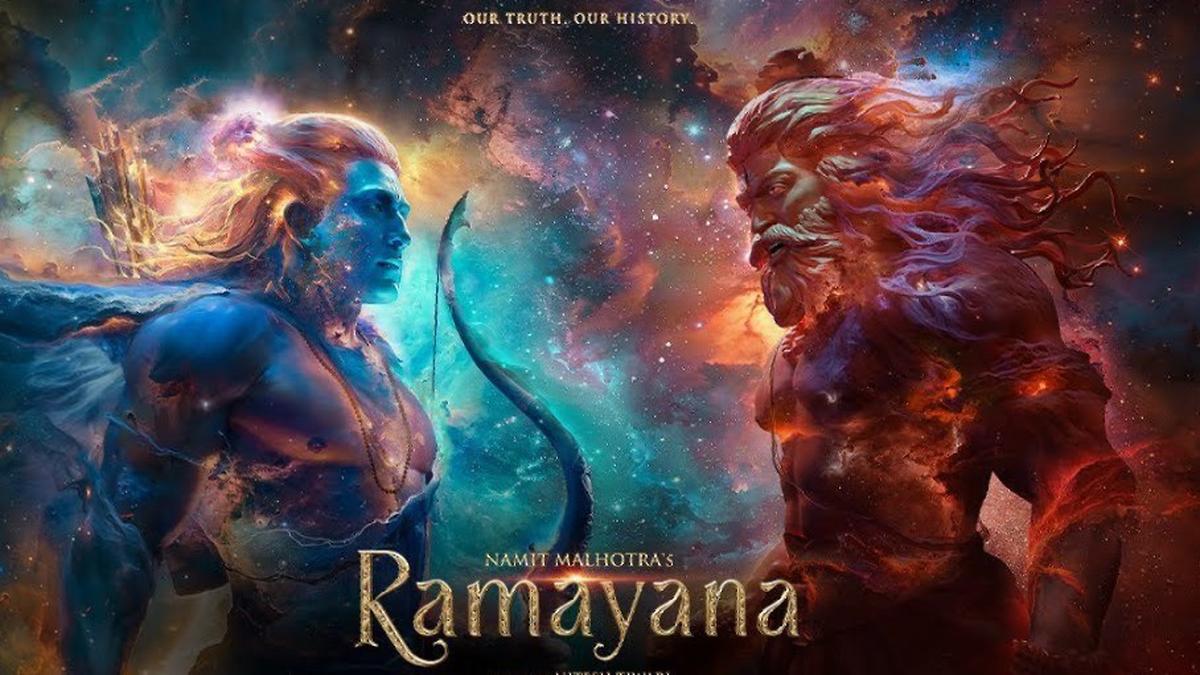
Financial Scale and Production Logistics
Nitesh Tiwari’s cinematic adaptation of the Ramayana has emerged as the costliest production in the history of Indian cinema. Producer Namit Malhotra confirmed that the project carries a staggering price tag of nearly $500 million—exceeding Rs 4,000 crore for its two-part release. While early industry speculation placed the figure near Rs 1,600 crore, the finished scale has ballooned to compete with high-tier Hollywood blockbusters. Malhotra asserts that the investment is financially disciplined given the technical requirements, noting that no other domestic film approaches this magnitude of spending.
Technical Innovations and Global Presentation
Designed for a wide-scale IMAX release, the production integrates cutting-edge technology to bridge cultural gaps. Prime Focus, the studio directed by Malhotra, oversees the extensive visual effects. In a first for the Indian film industry, the project employs AI-driven dubbing technology to ensure naturalistic dialogue across various regional languages. The sonic profile of the films features a collaboration between Oscar-winning composers Hans Zimmer and A.R. Rahman, whose score accompanied the debut of the introductory motion poster.
Cast and Release Schedule
The ensemble cast brings together prominent talent from across Indian cinema industries:
- Ranbir Kapoor portrays Lord Ram.
- Sai Pallavi appears as Sita.
- Yash takes on the role of Ravan.
- Sunny Deol features as Hanuman.
- Supporting roles include performances by Lara Dutta, Vikrant Massey, Ravi Dubey, and Arun Govil.
The theatrical rollout follows a multi-year strategy. The first installment is scheduled for a Diwali 2026 debut, with the concluding chapter following during Diwali 2027. Malhotra describes the venture as a mission to represent Indian cultural identity on a premier global stage, aiming to instill a sense of heritage through modern visual storytelling.
Source: The Hindu – Entertainment


