
Road Closures in Ladakh and the Northeast: Permits and Planning
A video from Ladakh shows a road blocked without clear explanation, a common occurrence on high-altitude routes. The piece explains permit requirements across Ladakh, Kashmir and India's Northeast, and urges travelers to plan for paperwork and weather before journeys.
Key takeaways
- Road closures on high-altitude routes are a recurrent feature in Ladakh, Kashmir and border states, often accompanied by ongoing security checks.
- Indian citizens may need Inner Line Permits in the Northeast and a replacement Environment and Development Fee in Ladakh, with online application and printed receipts required.
- Foreign visitors require Protected Area Permits across Ladakh and the Northeast, arranged through local agents and checked at borders.
- If traveling through multiple Northeastern states, expect separate permits for each border and plan for potential delays due to weather and security checks.

What Happened
A traveler in Ladakh encounters a road blocked ahead with no obvious sign or explanation, a scenario reported to occur regularly on high-altitude routes in Ladakh, Kashmir and adjacent border states. Officials at the barrier typically explain the halt, and travelers must decide whether to wait or detour. The article notes that similar stoppages and the surrounding security presence are commonplace and are part of planning for trips in these regions. It also includes a description of the ongoing formalities travelers face at checkposts, such as ID verification and permit checks, and mentions a specific example of how the process is carried out in practice.
The piece frames these incidents as a predictable element of travel to the region, rather than anomalies, and emphasizes preparation ahead of trips in order to navigate potential delays and source requirements smoothly.
Why It Matters
The article highlights that travel through Ladakh and border regions is governed by permit regimes and controlled access due to proximity to international borders. It suggests that planning for documentation—whether Indian citizens needing Inner Line Permits or Protected Area Permits for foreigners—plus having printed receipts and valid IDs, is essential to avoid disruption. For travelers aiming to visit multiple high-risk routes, the text notes the likelihood of separate permits for different borders and warns that weather can influence travel plans just as much as paperwork.
Security presence and routine ID checks are described as routine rather than red flags, underlining that preparation and timing are central to a safe, feasible itinerary in these areas.
Background
The article explains permit schemes in two regions: Ladakh/Kashmir and the Northeast. In Ladakh, an Inner Line Permit previously required for Indian citizens entering inner Ladakh has been replaced by an Environment and Development Fee; travelers must apply online in advance and carry a printed receipt, as a payment confirmation alone may be insufficient. At checkposts like South Pullu and Khaltsar, travelers must show the receipt and a government photo ID. For foreign nationals, a Protected Area Permit is required, arranged early through a local agent.
In the Northeast, the same general principle applies with region-specific names: Indian citizens must obtain Inner Line Permits for Arunachal Pradesh, Nagaland, and Mizoram, while foreign visitors need Protected Area Permits; these are checked at the state border and are best secured online before arrival. Assam does not require a domestic permit for residents, but foreign visitors must register with the local FRRO within 24 hours of arrival, and border-adjacent pockets may have their own protected-area rules. If trips span multiple Northeastern states, plan for separate permits at each border since a single folder is unlikely to cover all states.
Key Facts
- Blocking of road sections on high-altitude routes in Ladakh, Kashmir and border states is common and often explained by officials at the barrier.
- Inner Line Permits used to be required for Indian citizens entering inner Ladakh; they were replaced by an Environment and Development Fee, which must be applied online and carried as a printed receipt.
- At checkposts like South Pullu and Khaltsar, travelers must present the permit receipt and a valid government photo ID.
- Foreign nationals in Ladakh require a Protected Area Permit, arranged through a registered local agent.
- In the Northeast, Arunachal Pradesh, Nagaland and Mizoram require Inner Line Permits for Indian citizens and Protected Area Permits for foreigners, checked at state borders and best secured online before arrival.
- Assam does not require a domestic permit for residents, but foreign nationals must register with the local FRRO within 24 hours of arrival; some border areas have additional protected-area rules.
- If a trip includes multiple Northeastern states, plan for a separate permit for each border crossing; a single permit folder is unlikely to suffice.
- Weather conditions are cited as a significant factor influencing travel alongside permit requirements.
What Happens Next
Travelers are advised to plan for uncertainty by carrying printed documents, checking weather conditions before each leg of a journey, and applying for permits well in advance through official online channels. For foreign visitors, initiating Protected Area Permits early via a local agent is recommended, and travelers should expect multiple checks and potential delays at border points as part of the travel routine in these regions.
Sources reviewed
Project Chintan independently synthesized and analyzed information cross-checked across the sources listed above.
Related stories

GTA 6 leaks escalate with new gameplay clips and map image
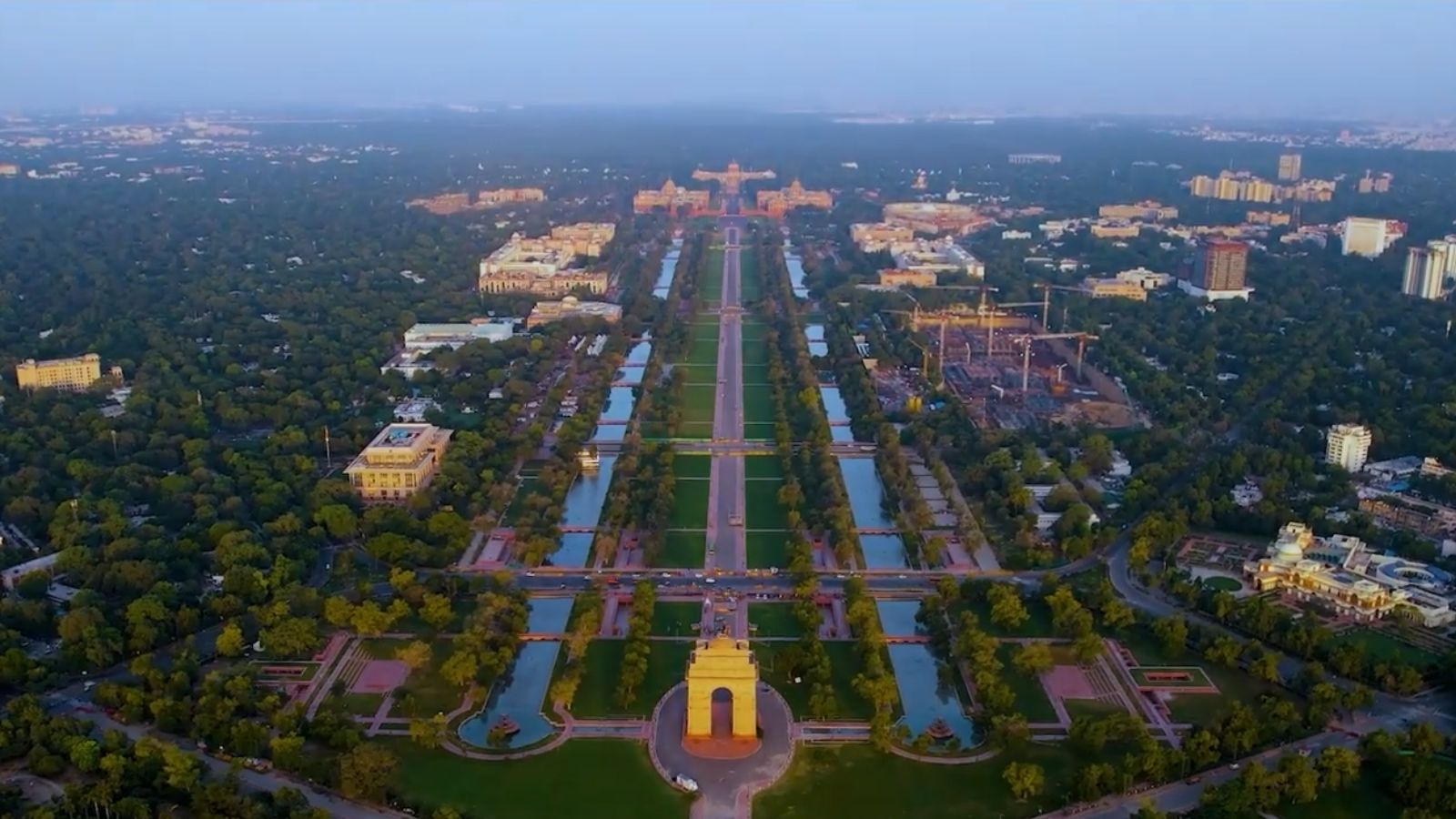
Budget Press to be housed in Kartavya Bhawan 9 as Central Vista revamp progresses

Heavy rains cripple roads and trigger landslides in Himachal and Chamba
