
Maoist leader acquitted in VHP leader murder case in Odisha
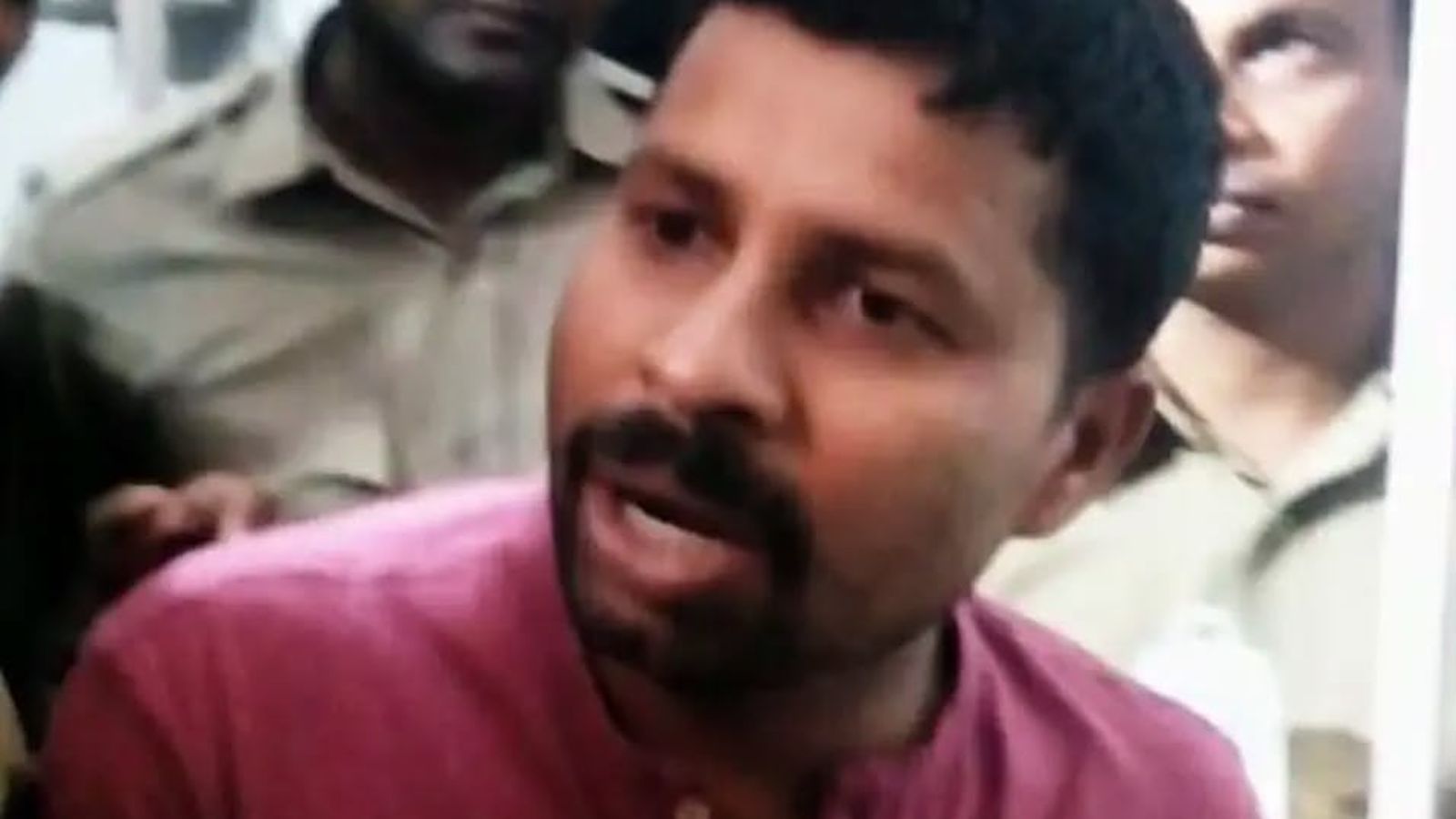
An Odisha special court acquitted Maoist leader D Kesaba Rao alias Azad of involvement in the 2008 killing of VHP leader Laxmanananda Saraswati and four others, citing lack of reliable evidence. He was released from jail the same day; the court emphasized that suspicion cannot substitute proof.
Key takeaways
- A Special Court in Odisha acquitted D Kesaba Rao alias Azad of involvement in the 2008 murder of Laxmanananda Saraswati and four others due to insufficient evidence.
- The court emphasized that suspicion cannot substitute proof, noting no firearm or forensic link to Rao and limited eyewitness support.
- Rao had been in custody since 2011 and was released after the acquittal on August 18, 2026.
- The 2008 incident triggered broader communal violence in Kandhamal, with significant loss of life and displacement.
What Happened
The Special Court in Odisha acquitted Maoist leader D Kesaba Rao, known as Azad, of charges linking him to the murder of Vishwa Hindu Parishad (VHP) leader Laxmanananda Saraswati and four companions in August 2008. The judgment released Rao from Bhubaneswar’s Jharpada jail in the evening after the court ruled that the prosecution failed to establish his identity and participation beyond reasonable doubt. The decision follows a long legal process in which Rao had been in custody since his surrender in May 2011.
The 2008 incident occurred at the Ashram in Jalespeta, Kandhamal district, when approximately 20-25 masked individuals entered the premises and opened fire. The victims named in the case included Saraswati, Mata Bhaktimayee, Kishore Baba, Amrutananda, and the brother of one inmate. The killings contributed to widespread communal violence in Kandhamal, resulting in 38 deaths and displacement of more than 25,000 people.
Police records indicated a letter signed with the name “Azad” left at the scene, purportedly stating that Maoists from the Bansadhar Division carried out the attack, and Rao was alleged to have convened a meeting after the incident in which involvement was disclosed. The court noted the absence of conclusive physical or forensic evidence tying Rao to the murders, highlighting that no firearm was recovered, no ballistic connection was established, and no admissible forensic linkage was presented. It also found that despite 22 witnesses being examined, there was only one eyewitness and no independent witness identified Rao, nor was there a reliable confession or discovery connecting him to the killings.
In its order, the court stressed that criminal jurisprudence requires reliable evidence to prove participation, and that suspicion even if strong cannot replace proof. It also found no evidence to convict Rao on charges of unlawful assembly, house trespass, theft, or Arms Act violations.
Why It Matters
The acquittal underscores the legal standard that guilt must be proved beyond reasonable doubt and that mere suspicion or circumstantial indicators are insufficient for a conviction. The ruling leaves unresolved the larger questions surrounding the 2008 killings and their alleged links to Maoist groups, while also clearing Rao of liability in this specific case. The timing of the decision follows a history of multiple cases linked to Rao, with a special court previously established in Paralakhemundi for speedy disposal of dozens of cases, including one under POCSO, in which Rao had been acquitted in other matters prior to this case.
Background
The 2008 assault at the Kandhamal ashram catalyzed significant communal unrest in the region, resulting in dozens of deaths and mass displacement. Police reports cited a post-crime letter signed “Azad” and an alleged meeting afterward as part of the investigation’s narrative linking Rao to the killings. Rao, aged 52, had remained in judicial custody for more than a decade following his surrender in 2011. A government-initiated move the previous year created a dedicated fast-track court in Paralakhemundi to handle a backlog of cases against Rao, including one under POCSO, with acquittals reported in several cases prior to this one.
Key Facts
- A Special Court in Odisha acquitted D Kesaba Rao alias Azad on August 18, 2026.
- Rao faced charges of being a conspirator and main accused in the 2008 killing of Laxmanananda Saraswati and four others.
- The 2008 incident occurred at the Ashram in Jalespeta, Kandhamal district, on August 23, 2008.
- Approximately 20-25 masked individuals entered the Ashram and opened fire.
- Victims included Laxmanananda Saraswati, Mata Bhaktimayee, Kishore Baba, Amrutananda, and the brother of an inmate.
- The killings sparked communal violence in Kandhamal, resulting in 38 deaths and more than 25,000 people displaced.
- Police cited a letter signed “Azad” claiming Maoists executed the killing; Rao allegedly called a post-incident meeting admitting involvement.
- The court found no firearm, ballistic, or forensic evidence linking Rao to the murders; 22 witnesses were examined, with only one eyewitness identifying him.
- The court stated that suspicion is not proof and that the prosecution failed to establish Rao’s participation beyond reasonable doubt.
- Rao had been in custody since May 2011 after surrender and was housed in Jharpada Jail for about 15 years prior to release.
- Last year a special Paralakhemundi court was set up to handle 49 pending cases against Rao; he was acquitted in all other matters prior to this case’s resolution.
What Happens Next
The article does not specify any further legal steps or appeals following the acquittal. Rao’s immediate status is that he has been released from jail, according to the court’s order and reporting.
Sources reviewed
Project Chintan independently synthesized and analyzed information cross-checked across the sources listed above.
Related stories

Kerala High Court orders ACS to explain delay on complaint against DGP S. Sreejith

High Court Allows Pleas Against Reconsideration of Prosecution Sanction in Cashew Scam

Supreme Court orders welfare-focused guidelines for captive elephants
