NS Summer Pass Causes Confusion and Financial Pitfalls for Travelers
The NS summer pass, intended to encourage train travel, saw nearly 400,000 users but has led to confusion regarding cancellation and automatic renewal into more expensive plans. Travelers are facing unexpected costs due to unclear communication about termination deadlines.
Key takeaways
- The NS summer pass attracted almost 400,000 users with its low monthly cost for off-peak travel.
- A significant number of travelers are confused about how and when to cancel the subscription.
- Failure to cancel results in an automatic renewal to a much more expensive monthly plan.
- Traveler advocacy groups have reported numerous complaints regarding unclear communication and cancellation procedures.
- Despite issues, there is a call for the program's continuation with improved clarity next summer.
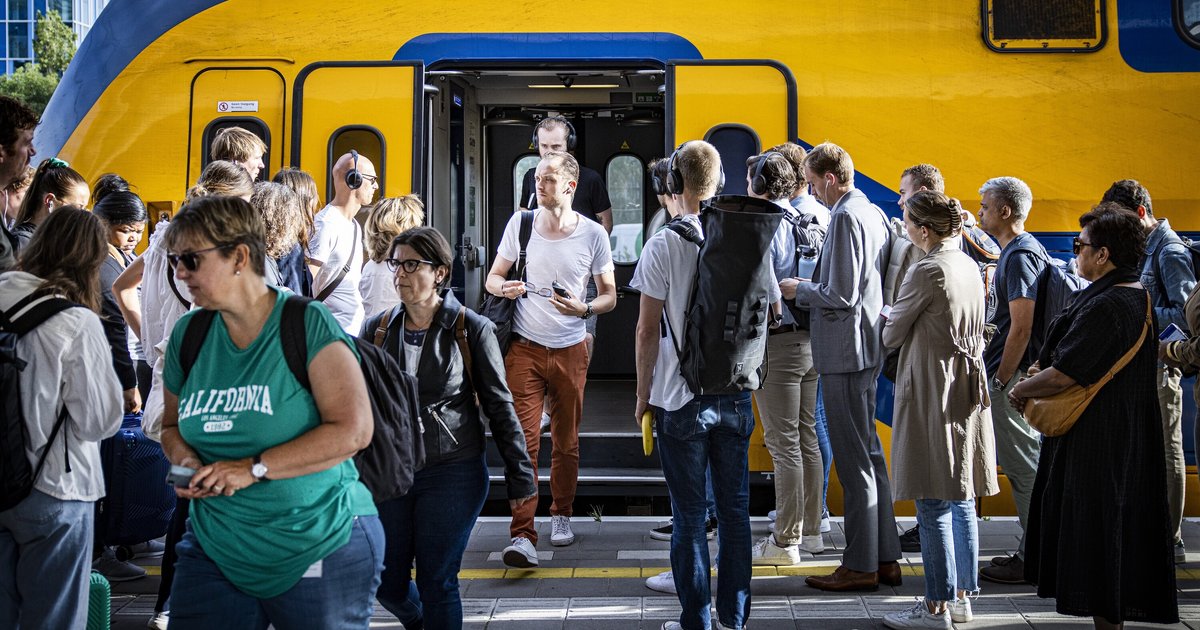
The Dutch national railway company, NS, introduced a summer subscription that has resulted in confusion and potential financial strain for its users. While the initiative successfully attracted nearly 400,000 travelers, issues with cancellation policies and unclear communication have led to unintended automatic renewals into more costly plans.
What Happened
The affordable NS summer subscription, priced at less than fifty euros per month, allowed users to travel throughout the Netherlands during off-peak hours. This initiative, supported by government investment of 118 million euros, aimed to encourage people to opt for train travel over cars. However, after the initial two-month period, the subscription automatically converts to a more expensive NS plan costing 127.50 euros per month if not canceled in time. Travelers have reported difficulties in understanding the precise deadlines and procedures for canceling, leading to unexpected charges.
Why It Matters
The primary goal of the summer subscription was to make public transport more accessible and appealing, particularly for individuals with limited budgets. The unforeseen costs associated with the automatic renewal process contradict this objective, potentially burdening the very travelers the program intended to assist. The reizigersvereniging Rover has received numerous complaints, highlighting that the lack of clear communication regarding cancellation is causing significant financial consequences for users.
Background
The summer subscription was introduced as a government-sponsored initiative to promote sustainable travel. It was designed to attract new users to public transport and encourage existing ones to travel more frequently. The program's success in terms of user numbers is evident, with almost 400,000 people taking advantage of the offer.
Key Facts
- Nearly 400,000 people used the NS summer subscription.
- The subscription cost 49 euros per month for off-peak travel.
- The initiative was supported by 118 million euros in government investment.
- The summer subscription automatically renews into a 127.50 euro per month plan if not canceled.
- Travelers have reported confusion about cancellation deadlines and procedures.
- The reizigersvereniging Rover has received many complaints about the automatic renewal process.
- Some travelers have experienced incorrect dates for their subscription start and invoice dates.
What Happens Next
Despite the current issues, the reizigersvereniging Rover believes the summer subscription was a success and advocates for its return next year. They suggest that if the program is reintroduced, train travel should be made more affordable on a structural basis, and the communication surrounding cancellation policies must be significantly improved to prevent future confusion and financial problems for travelers.
Sources reviewed
Project Chintan independently synthesized and analyzed information cross-checked across the sources listed above.