Netanyahu Rejects Trump Peace Plan as Iran Demands Sanction Relief for Hormuz Access
Prime Minister Benjamin Netanyahu has formally rejected a 15-point Gaza peace proposal backed by the Trump administration, insisting on Hamas disarmament before troop withdrawal. Simultaneously, Iran has issued a list of steep conditions for reopening the Strait of Hormuz, including the unfreezing o
Key takeaways
- Israel will not withdraw troops from Gaza until Hamas disarms, rejecting the 15-point Trump peace plan.
- Iran is demanding an end to the U.S. naval blockade and the unfreezing of assets before reopening the Strait of Hormuz.
- Todd Blanche secured confirmation as U.S. Attorney General after a narrow 50-49 Senate vote.
- A U.S. government shutdown was averted via a 90-6 Senate vote on a short-term funding bill.
What Happened
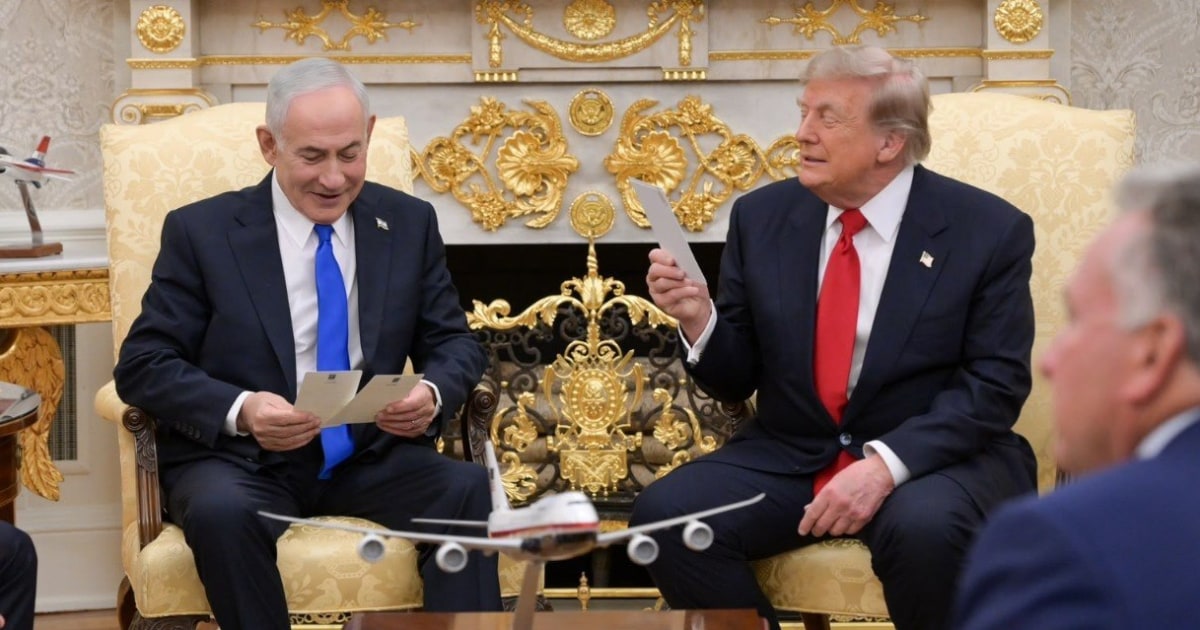
Israeli Prime Minister Benjamin Netanyahu confirmed Sunday that Israel will not adopt the 15-point peace plan proposed by President Donald Trump’s Board of Peace. The plan intended to facilitate a phased withdrawal of Israeli forces from Gaza in exchange for the disarmament of Hamas. Netanyahu stated during a Cabinet meeting that Israeli military presence will remain until Hamas completes its disarmament. This position contrasts with Hamas's stated requirement from last month, which demanded a full Israeli withdrawal and cessation of hostilities before disarming.
Background
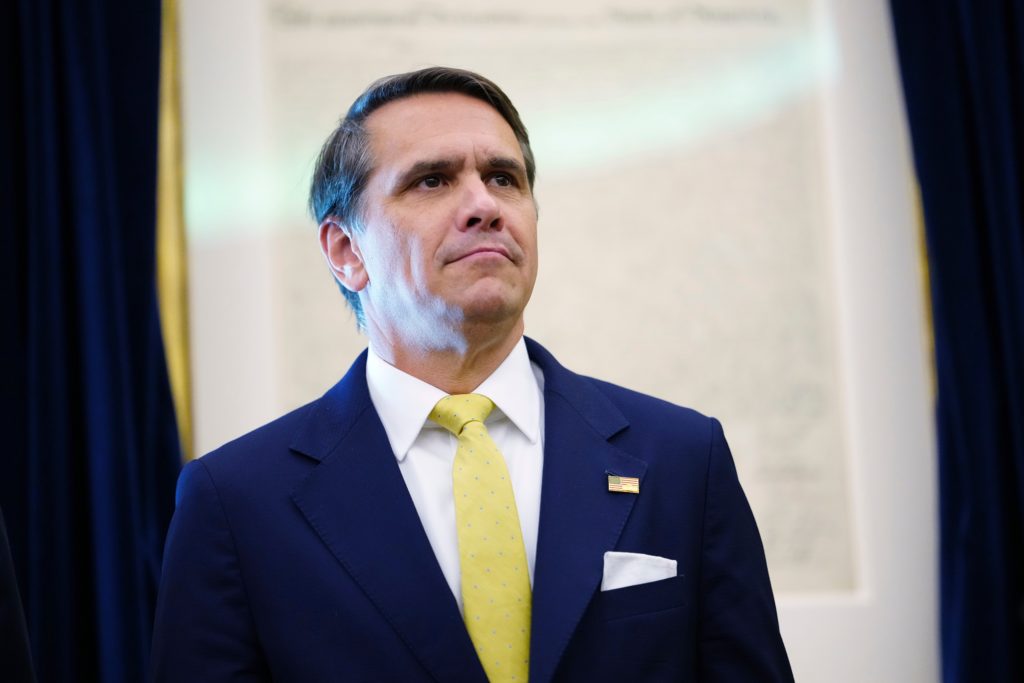
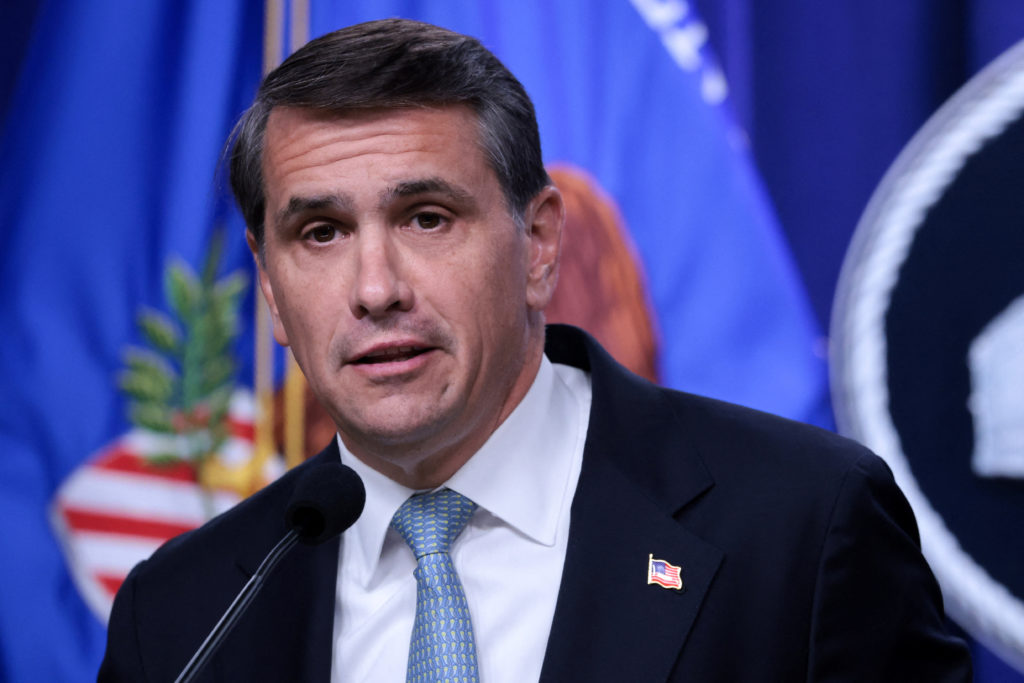
The rejection of the peace proposal occurs amid heightened friction between the White House and the Israeli government regarding Iranian policy. In the United States, legislative activity concluded a period of uncertainty with the Senate confirming Todd Blanche as U.S. Attorney General in a 50-49 vote. To secure the necessary support, Blanche reportedly agreed to rescind a $1.8 billion anti-weaponization fund, though legal mechanisms may exist to revive it. Additionally, a government shutdown was avoided after the Senate passed a short-term funding measure with a 90-6 vote.
Key Facts
- Israel's Prime Minister has explicitly rejected the Trump administration's 15-point Gaza peace plan.
- Iran has set conditions for reopening the Strait of Hormuz, including a demand that the U.S. pay war damages and unfreeze Iranian assets.
- Iranian Foreign Minister Abbas Araghchi stated that no active negotiations are currently taking place between Tehran and Washington.
- Todd Blanche was confirmed as Attorney General with opposition from Republican Senators Susan Collins and Lisa Murkowski.
- The U.S. Senate passed a funding bill to keep the government operational through the upcoming midterm elections.
What Happens Next
The geopolitical impasse in the Middle East remains firm as the U.S. has not yet issued a formal response to Iran's demands regarding the Strait of Hormuz. In domestic politics, attention shifts toward the fall campaigns following Abdul El-Sayed’s primary win in Michigan and his expected collaboration with former President Barack Obama. Meanwhile, Representative Max Miller faces internal party pressure to resign his seat in Ohio following domestic violence allegations, which he denies.
Sources reviewed
Project Chintan independently synthesized and analyzed information cross-checked across the sources listed above.
Related stories

Abelardo de la Espriella Inaugurated as Colombian President Amid Regional Right-Wing Shift
Senate Advances Blanche Nomination and Expands Russian Sanctions Framework
Senate Confirms Todd Blanche as Attorney General After Narrow Overnight Vote