
Nepal flood rescue hub reports multiple casualties as helicopters ferry survivors
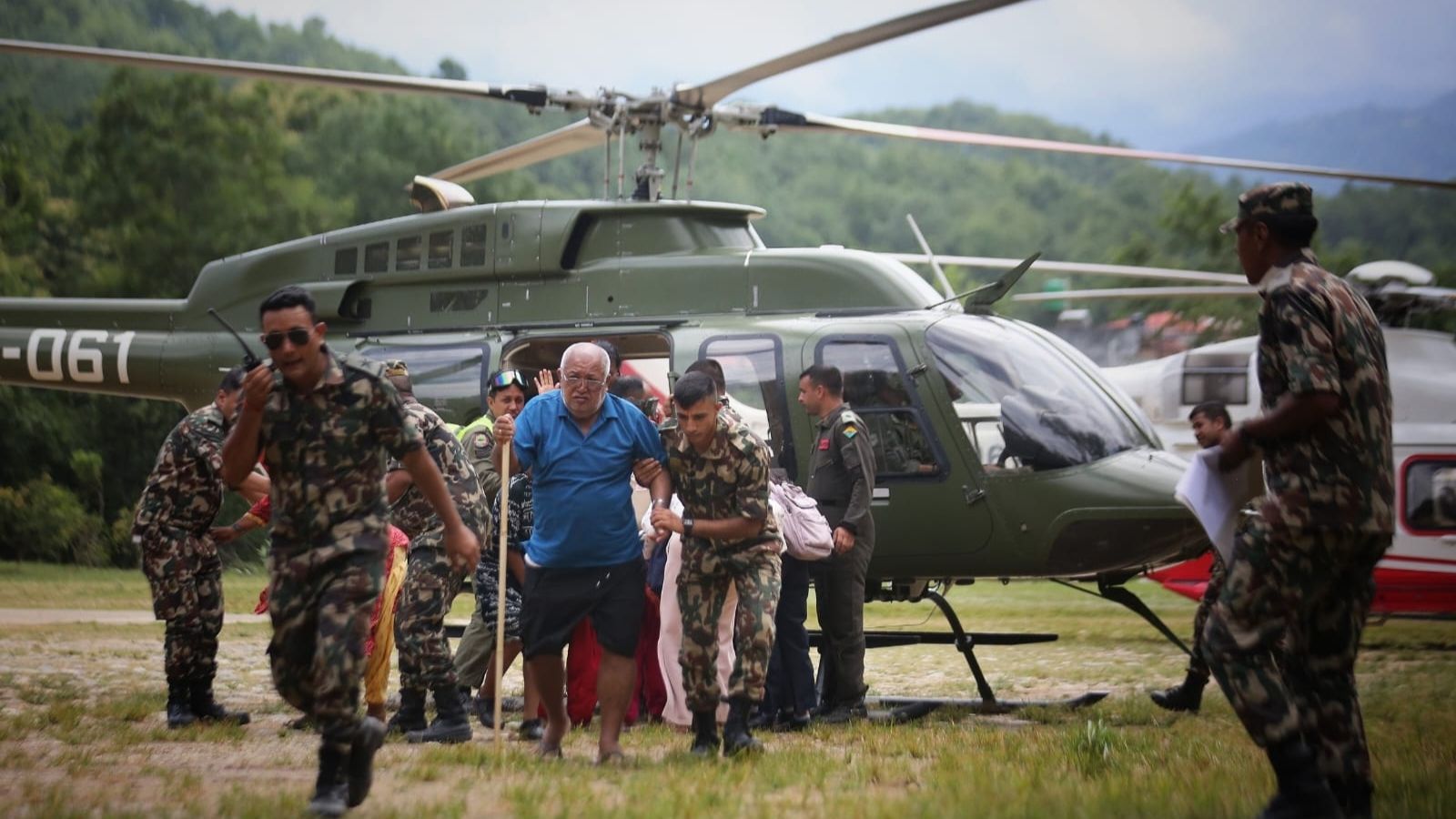
A military rescue hub in central Nepal coordinates helicopter救援 to evacuate flood survivors. The official death toll stands at 547, with hundreds of Indians reported missing; authorities warned of a potential second flood.
Key takeaways
- A military rescue base in central Nepal is coordinating helicopter-based evacuations and survivor processing.
- The official death toll is 547, with a substantial number of missing Indian nationals or persons of Indian origin.
- Authorities warned of a potential second flood as lake breaks were reported in higher regions.
What Happened
At a military rescue and relief command centre in central Nepal, helicopters operated to bring survivors from flooded areas to a camp set up at a hub that serves rescue operations. The operation followed a catastrophic flash flood that affected districts along Nepal’s border with Tibet. A geologist engineer at the Trishuli 1 hydropower plant in the Rasuwa district issued an urgent call to a colleague to head to higher ground as the flood approached the facility. The colleague’s location was subsequently transmitted, but the engineer’s contact was lost two days later, with the last known coordinates placing him far from reachable roads. In the days after, crowds, including schoolchildren, were rescued from adjoining regions and brought to the army base camp for processing. As helicopters landed at the camp, survivors were evacuated, checked for injuries, and logged as part of the effort. Survivors reported at least five helicopters were in operation at the camp on a given day, with medical checks and vitals recorded before individuals were assigned survivor status and provided food, including two packets of chocolate biscuits.
Why It Matters
The operation underscores the scale of the disaster response in Nepal, where authorities have admitted a large number of fatalities and a significant number of missing people, including Indian nationals and people of Indian origin. The presence of an established rescue hub and regular helicopter landings demonstrate the deployment of coordinated, multi-agency relief efforts in the aftermath of a major flood. Authorities warned of the possibility of a second flood, signaling ongoing risk and the need for continued area-wide vigilance and evacuation capacity.
Background
The floods affected multiple districts near Nepal’s border with Tibet, prompting deployment of security forces to scour valleys and hills for survivors. The central military training facility at the Trishuli region has become a focal point for search and rescue operations, with teams coordinating from a nearby base and an adjacent market area where affected residents gathered.
Key Facts
- Official death toll: 547 (reported by Nepalese authorities on Friday evening).
- Missing: at least 320 Indian nationals and more than 100 people of Indian origin (as stated by India’s Ministry of External Affairs).
- Time and location of a missing engineer: 9:02 am, near the Trishuli 1 hydropower plant in Rasuwa district; last location transmitted at 9:26 am; two days later he was reported missing.
- Rescue hub: Army base in central Nepal serving as the main operations command centre for search and rescue.
- Helicopter activity: at least five helicopters operated through the day at the camp for bringing in survivors and delivering supplies.
- Individual accounts: survivors described evacuation scenes at the camp and in nearby schools and markets; some reported losses within families and communities during the floods.
- Relief provisions: evacuees were checked for injuries, logged by the army, and given two packets of chocolate biscuits.
- Further risks: authorities issued loud warnings about an impending second flood following reports of a second lake break in higher regions.
What Happens Next
Officials indicated ongoing rescue and relief efforts would continue from the central command centre and surrounding hubs, with further coordination to locate missing individuals and assist survivors as water levels and weather conditions evolve.
Sources reviewed
Project Chintan independently synthesized and analyzed information cross-checked across the sources listed above.
Related stories
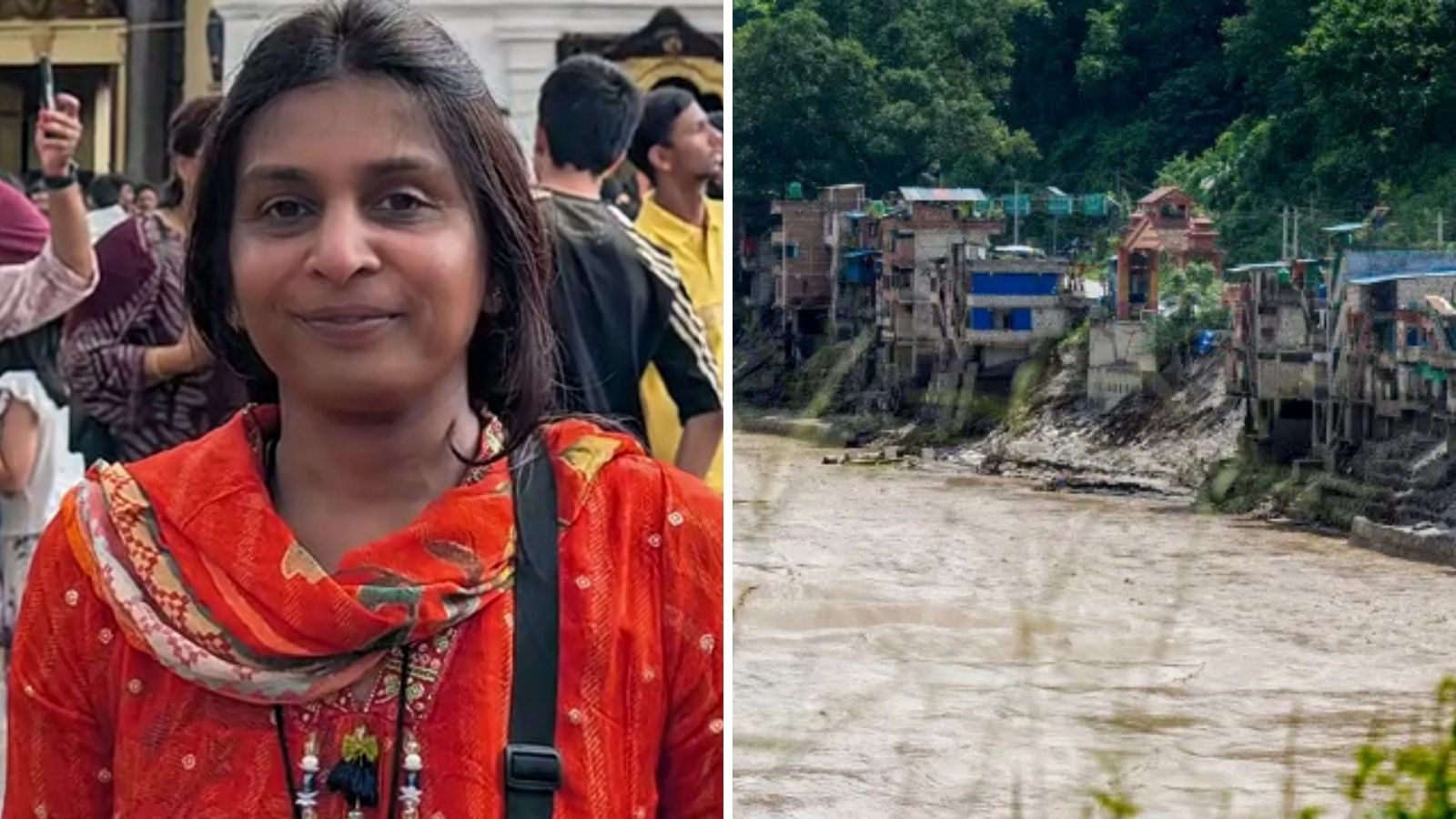
Missing Indian pilgrim in Nepal floods: last text says 'Just finished the trek'

Tharoor clarifies 'drama' remark on Nepal floods
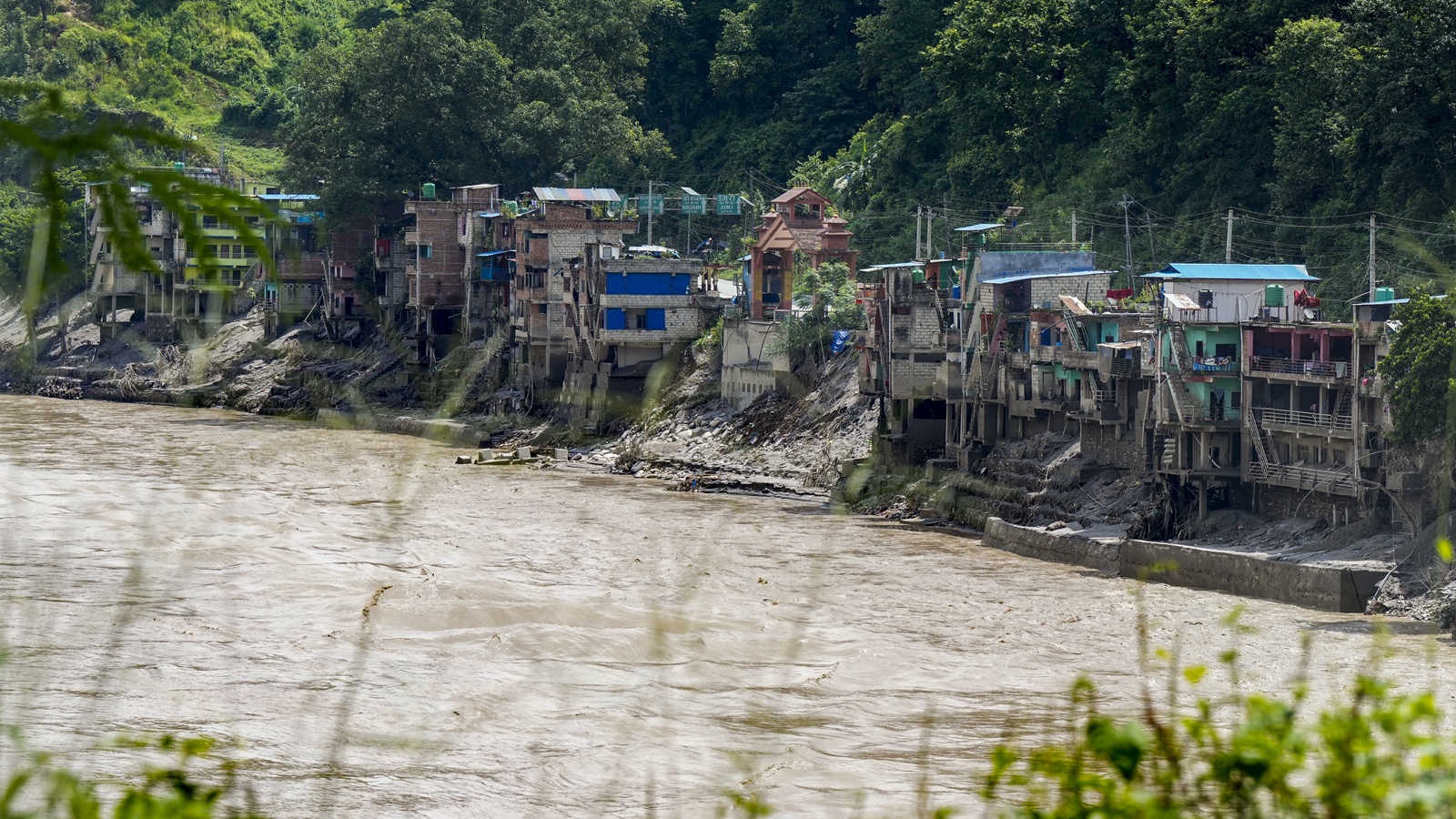
Telangana NRIs missing as Nepal floods claimed lives and prayers