The Iron Lady of the Bourse: Neelie Kroes on Power, Privacy, and the Shredder
At 85, former European Commissioner Neelie Kroes maintains a relentless focus on the future while systematically erasing her paper trail. The veteran politician reflects on her battle against Microsoft, her upbringing in post-war Rotterdam, and the familial dynamics that fueled her drive for indepen
Key takeaways
- Neelie Kroes actively shreds her private correspondence to prevent future biographers from accessing her personal history.
- Her political drive was fueled by a childhood desire to eliminate borders and prevent war through economic integration.
- She once faced off against Bill Gates, who tried to convince her that her regulatory actions against Microsoft were incorrect.
- Despite her high-profile career, Kroes's father never offered a compliment, believing they led to arrogance.
A Systematic Erasure
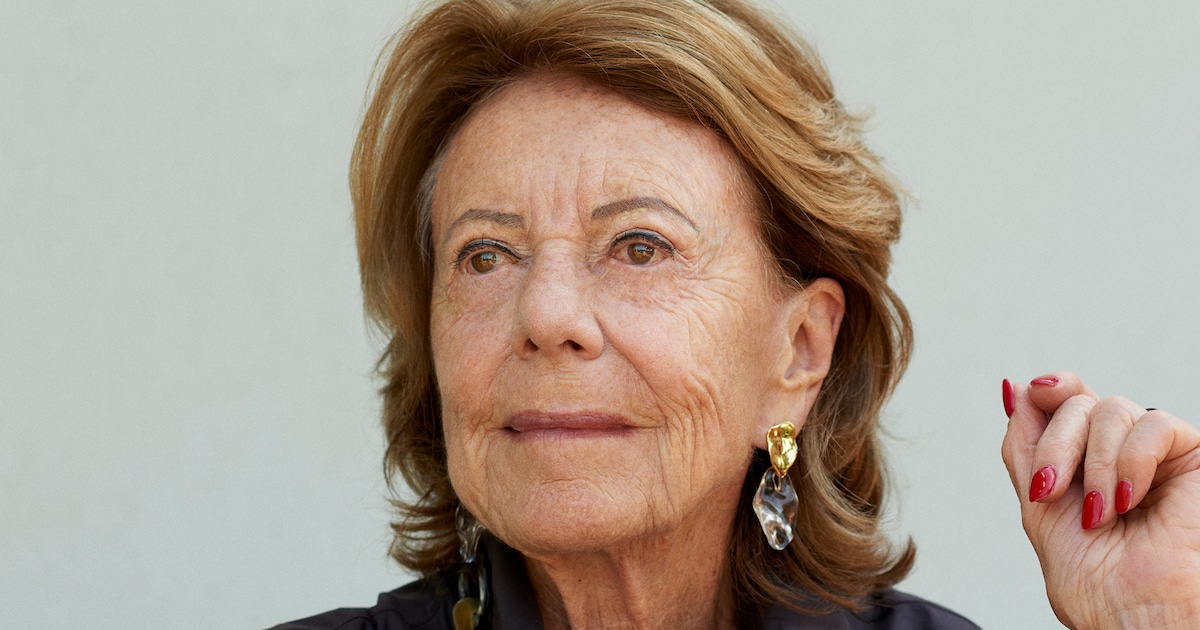
Neelie Kroes does not believe in sentimental archives. Residing in the Groene Hart region, the 85-year-old former Eurocommissioner admits to a regular habit of destroying personal documents. While she previously used a fire pit to burn old photos and records, she now favors a paper shredder. This calculated disposal serves a dual purpose: sparing her son, Yvo, the burden of managing her estate and ensuring future biographers find no private correspondence to exploit. Kroes remains fiercely protective of her narrative, having refused to cooperate with authors of past unauthorized volumes about her life.
The Origins of Ambition
Born in 1941, Kroes spent her childhood navigating the ruins of Rotterdam following the 1940 German bombardment. This landscape of destruction sparked an early analytical interest in the causes of conflict. By age seven, she questioned why nations fought, eventually concluding that economic disparity was the root of war. Her father, who founded a small international transport firm using trucks purchased from the American military, inadvertently shaped her European vision. Watching him wait at border crossings, Kroes began to view national boundaries as illogical obstacles to shared prosperity.
Breaking the Domestic Mold
Despite being the eldest child, Kroes was never considered for the family business; her father deemed the industry—often conducted in bars—unsuitable for women. Her path was instead dictated by a desire for total autonomy. Growing up in a household where her father's word was law and her mother remained subservient, Kroes resolved never to be financially or socially dependent on a man. Although her father funded her economics degree to keep her off government support, he remained stoic throughout her rise to the cabinet. Only after her mother’s death did Kroes discover a hidden collection of press clippings, silent proof of parental pride.
The Microsoft Confrontation
During her tenure as European Commissioner for Competition, Kroes famously challenged the dominance of tech giants. She recalls an intense encounter with Bill Gates, who attempted to persuade her that her regulatory stance against Microsoft was flawed. She describes the experience as fascinating, noting how the tech mogul sought to change her mind during a period when she was actively reshaping the digital market. Today, she continues this engagement with the tech sector as a board member for Salesforce and remains active in organizations combating digital child abuse.
Key Facts
- Kroes served as a Member of Parliament for the VVD starting in 1971, entering a political sphere with few women.
- Her father’s transport company was built on surplus American military vehicles acquired after World War II.
- She maintains a professional presence in the U.S., visiting her son and granddaughters while fulfilling duties for Salesforce.
- Her economic philosophy was born from observing the similarity of landscapes across European borders during her childhood.
Source: de Volkskrant
Related stories

Interactive Challenge: Identifying the Female Pioneers Who Shaped Global History

Ceuta Urges Mainland Spain to Absorb Minor Migrants as Border Crisis Overwhelms Enclave

Trump Administration Exempts Open-Weight AI Models From Voluntary Safety Evaluations