
Union Health Ministry Dispatches Multi-Agency Task Force to Tackle Chandipura Outbreak
Federal authorities have mobilized a joint response team to Gujarat and Rajasthan following 22 pediatric fatalities linked to the Chandipura virus. Experts are currently investigating transmission cycles and potential animal reservoirs to curb the seasonal surge.
Key takeaways
- A multidisciplinary federal team is supporting Gujarat and Rajasthan in managing the Chandipura virus outbreak.
- The virus has caused 22 pediatric deaths during the current monsoon season via Acute Encephalitis Syndrome.
- Researchers are testing 70 animal samples to determine if livestock act as reservoirs for the virus.
- Investigations are exploring whether mosquitoes and ticks join sandflies as transmission vectors.
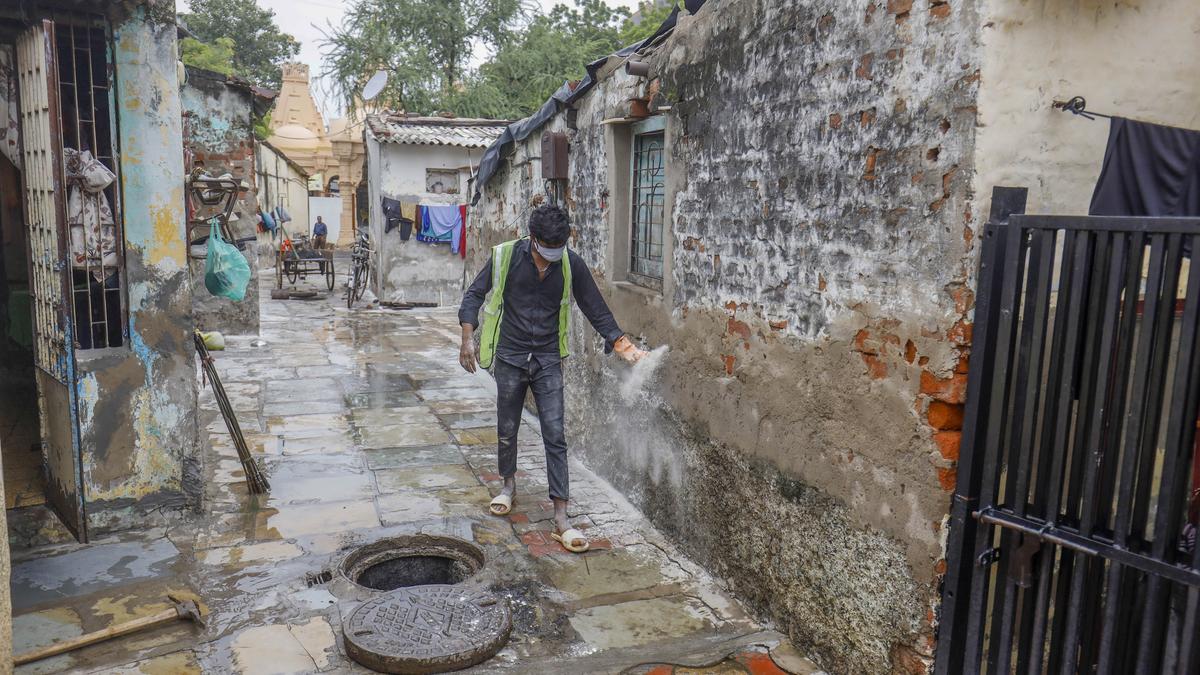
Emergency Response Mobilization
The Union Health Ministry has initiated an emergency deployment of a multidisciplinary national joint response team to Gujarat and Rajasthan. This federal intervention aims to bolster local efforts against a Chandipura virus outbreak that has claimed at least 22 young lives during the current monsoon. The specialized unit includes researchers from the National Centre for Disease Control, the Indian Council of Medical Research, and the Department of Animal Husbandry and Dairying.
Scientific Investigation and Vector Control
The deployed experts are focusing on epidemiological assessments and laboratory coordination to refine clinical management. While sandflies are recognized as the primary carriers of the virus, scientists are expanding their scope to determine if mosquitoes, ticks, or mites contribute to the spread. This research seeks to map the full clinical progression of the infection, which ranges from mild fever to lethal Acute Encephalitis Syndrome (AES).
Key Facts
- Fatalities: At least 22 children have died due to the virus during this monsoon season.
- Transmission: Sandflies are the primary vectors, though other arthropods are under investigation.
- Animal Surveillance: Authorities have collected approximately 70 blood and milk samples from cattle, goats, and buffaloes.
- Expertise: The task force integrates specialists in virology, entomology, and veterinary sciences.
What Happens Next
The joint team will collaborate with state health departments to conduct field assessments and review on-ground containment strategies. Following this period of observation, the task force will submit formal recommendations to the Health Ministry. Detailed laboratory analysis of the collected animal samples is ongoing to identify potential viral reservoirs, though officials cautioned that no definitive conclusions will be reached until all testing is finalized.
Source: The Hindu — Sci-Tech
Related stories

Severe Maternal Anaemia Increases Stillbirth Risk by 27 Percent in Indian Study

Airborne Particulate Matter Triggers Inflammation and Flare-Ups in Rheumatoid Arthritis

Hyderabad Task Force Seizes 246 Tonnes of Tainted Food in Sweeping 140-Day Crackdown
