
MP High Court withdraws protection for Wildlife SOS chief in leopard poaching case
The Madhya Pradesh High Court rescinded interim protection for Wildlife SOS co-founder Kartick Satyanarayan in a leopard-poaching probe, directing him to appear before state investigators. The move follows a MP Forest Department application to recall protection granted earlier that month.
Key takeaways
- The MP High Court withdrew interim protection for Kartick Satyanarayan in the leopard-poaching investigation.
- Satyanarayan was ordered to appear before the State Tiger Strike Force on September 21 with a lawyer present from a distance.
- An arrest warrant was issued August 31 after Satyanarayan reportedly did not respond to multiple summonses.
What Happened
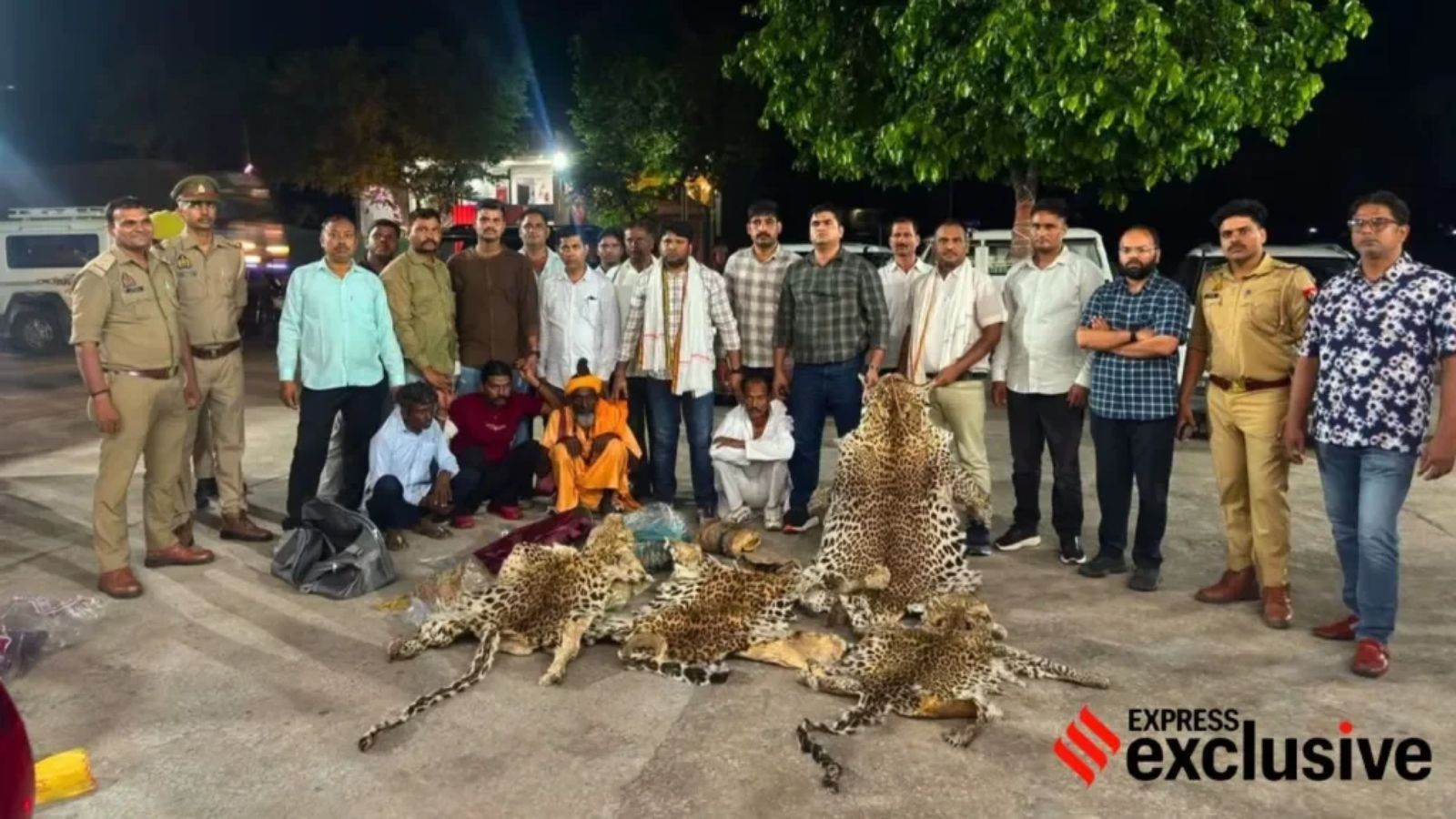
The Madhya Pradesh High Court, sitting on the Gwalior Bench, revoked the interim protection previously granted to Kartick Satyanarayan, co-founder and chief executive of Wildlife SOS, in connection with a case alleging leopard poaching in the state. The court’s September 7 order, uploaded in September, held that Satyanarayan had not cooperated with investigators and had sought protection without full disclosure of crucial records. He was ordered to appear before the Madhya Pradesh State Tiger Strike Force (STSF) on September 21, with a lawyer present at a distance during questioning. The move followed an application by the Madhya Pradesh Forest Department seeking recall of the interim relief. The MP Forest Department stated in a press release that 15 people from Haryana, Madhya Pradesh and Delhi had been arrested in the case and described Satyanarayan as an absconding accused. An arrest warrant was issued against him on August 31 after he reportedly did not respond to three summonses. The investigation centers on the July 23 arrest of four alleged poachers on the Gwalior-Agra highway, during which 10 leopard skins were seized. Wildlife SOS had previously claimed the seizure followed months of surveillance by its Forest Watch anti-poaching unit and that the skins were traced to Madhya Pradesh. The STSF later began probing the hunting, procurement and movement of the wildlife articles. Investigators named Bhagwan Singh, described by officials as a wildlife trader linked to Wildlife SOS, and Wasim Akram, a director with the organisation, in relation to the leopard-killing case. Satyanarayan’s lawyers argued that Wildlife SOS personnel had aided Uttar Pradesh authorities by providing information that led to the seizure, and they contended that MP authorities could not launch a second investigation into the same incident. The court’s Sept 2 order had restrained the STSF from coercive action against Satyanarayan and permitted him to appear with a lawyer observing from a distance, contingent on cooperation. MPFS later sought recall, citing undisclosed summons and Satyanarayan’s alleged lack of cooperation. Investigators also asserted that Satyanarayan had claimed he was attending to his ailing mother in Hyderabad, a claim contradicted by hospital records indicating she had been discharged on August 6.
Why It Matters
The court’s decision shifts the dynamics of a high-profile wildlife-poaching investigation, potentially increasing pressure on Wildlife SOS leadership while broadening the proceedings' legal scrutiny. By withdrawing temporary protection, the court signals a readiness to pursue formal questioning and possible coercive action if required, highlighting tensions between animal-protection groups and state authorities in handling alleged trafficking and illicit movement of wildlife products.
Background
The case traces to the July 23 seizure of 10 leopard skins following the arrest of four alleged poachers on a highway linking Gwalior and Agra. Authorities have tied the operation to individuals associated with Wildlife SOS, including a director within the organisation, amid broader inquiries into the hunting, procurement, and transport of the skins. Wildlife SOS had maintained that its personnel assisted state and Uttar Pradesh authorities and that the seizure followed sustained surveillance by its unit dedicated to anti-poaching efforts.
Key Facts
- High Court order: September 7; protection previously granted on September 2
- Subject: Kartick Satyanarayan, Wildlife SOS co-founder and CEO
- Case focus: alleged leopard poaching in Madhya Pradesh; 10 leopard skins seized on July 23
- Arrests linked to case: 15 individuals from Haryana, Madhya Pradesh and Delhi
- Arrest warrant for Satyanarayan issued August 31 after he did not respond to summons
- Satyanarayan ordered to appear before the STSF on September 21; legal observer allowed
- Two named individuals connected to Wildlife SOS face investigation in related arrests
- Discrepancies cited regarding Satyanarayan’s claim about his mother’s illness and hospital records
What Happens Next
The petition to recall interim protection will be listed for admission after four weeks, with Satyanarayan required to cooperate with investigators and appear for questioning under the court’s order. The STSF is expected to continue examining the hunting, procurement, and movement of the leopard skins, including the roles of individuals linked to Wildlife SOS, as part of the ongoing inquiry.
Sources reviewed
Project Chintan independently synthesized and analyzed information cross-checked across the sources listed above.