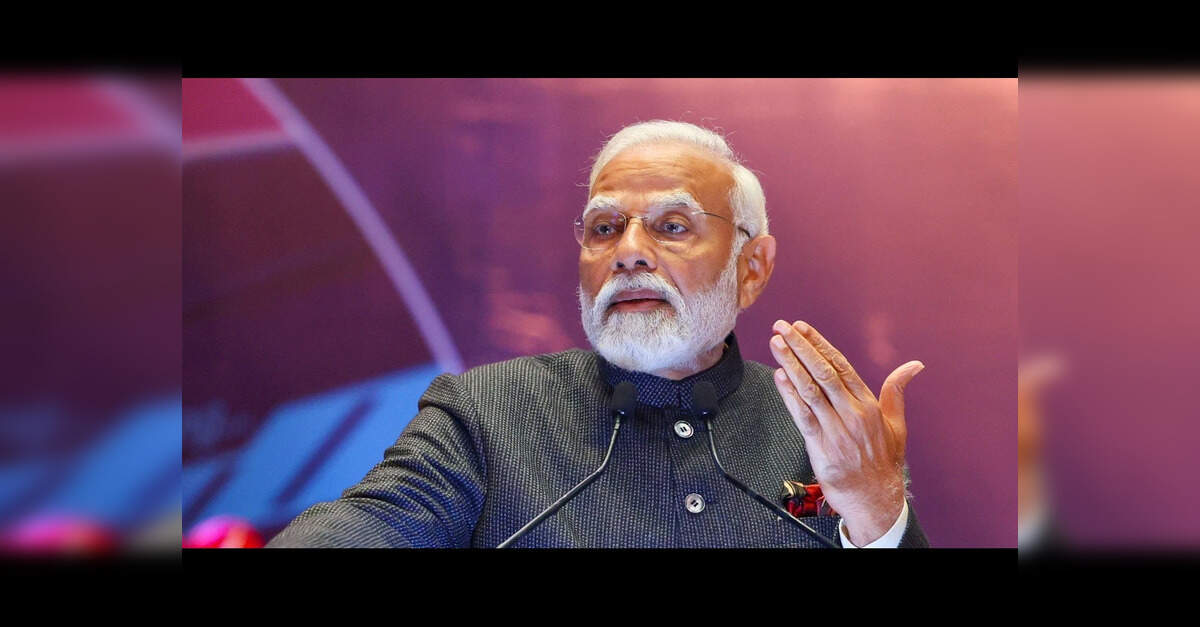
Modi Urges IIT Delhi Graduates to Lead India Through Rapid Technological Shifts
Prime Minister Narendra Modi addressed over 3,000 graduates at IIT Delhi, framing their technical expertise as the engine for a self-reliant India. The PM highlighted new research funding and the burgeoning semiconductor sector as primary fields for national development.
Key takeaways
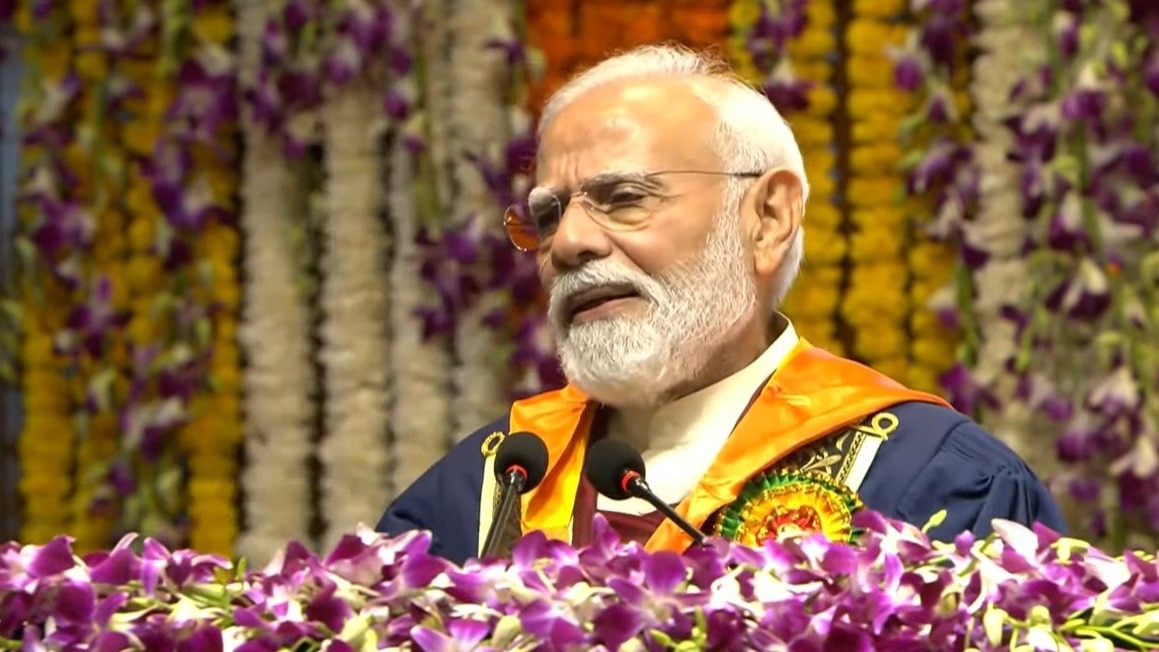
- Prime Minister Modi addressed 3,000 graduates and 587 PhD scholars at IIT Delhi's 57th Convocation.
- A fund of Rs 1 lakh crore is being mobilized to support the Indian research and innovation ecosystem.
- The PM emphasized that the semiconductor industry serves as a blueprint for India's domestic manufacturing capabilities.
- Modi called for increased female representation and excellence in academic research and innovation.
Why It Matters
As India navigates a period of rapid industrial transformation, the government is looking to elite technical graduates to bridge the gap between innovation and domestic manufacturing. The Prime Minister's focus on research funding and women's participation indicates a strategic shift toward internal capacity building to secure India's position in evolving global power structures.
Background
The 57th Convocation of the Indian Institute of Technology (IIT) Delhi took place on Saturday, August 8, 2026. The event occurred against a backdrop of youth activism regarding academic integrity, specifically following recent protests over national examination leaks. During the ceremony, degrees were conferred upon 3,000 students, including 587 doctoral scholars.
Key Facts
- Research Investment: The government is allocating up to Rs 1 lakh crore to bolster the domestic research sector.
- Knowledge Access: The 'One Nation One Subscription' program now provides researchers in both major cities and smaller towns access to high-tier global journals without additional costs.
- Semiconductor Milestones: The PM noted that India has moved from skepticism to production, with the first semiconductor unit now operational.
- Institutional Support: Programs like the Prime Minister’s Research Fellowship and the National Research Foundation were cited as key pillars for supporting new scientific inquiries.
What Happens Next
The Prime Minister emphasized that the next three decades will define India's trajectory toward becoming a 'Viksit Bharat' (Developed India). Graduates are expected to take the lead in sectors ranging from maritime engineering to microchip fabrication. Furthermore, the administration is pushing for a measurable increase in female representation within higher education and research to diversify the nation's innovation pool.
Addressing the unpredictability of future technology, Modi advised students that continuous learning is the only stable asset in a shifting global strategic equation. He encouraged the cohort to apply their problem-solving skills to national needs, suggesting that every challenge should be dismantled into manageable components to foster effective solutions.
Source: India Today
Related stories

Mass Dhimsa Performance to Mark Modi’s Inauguration of Bhogapuram International Airport

UK-India CETA Agreement Targets Export Growth Across Six Key Kerala Sectors
Modi Urges IIT Graduates to Bridge Local Innovation with National Ambition