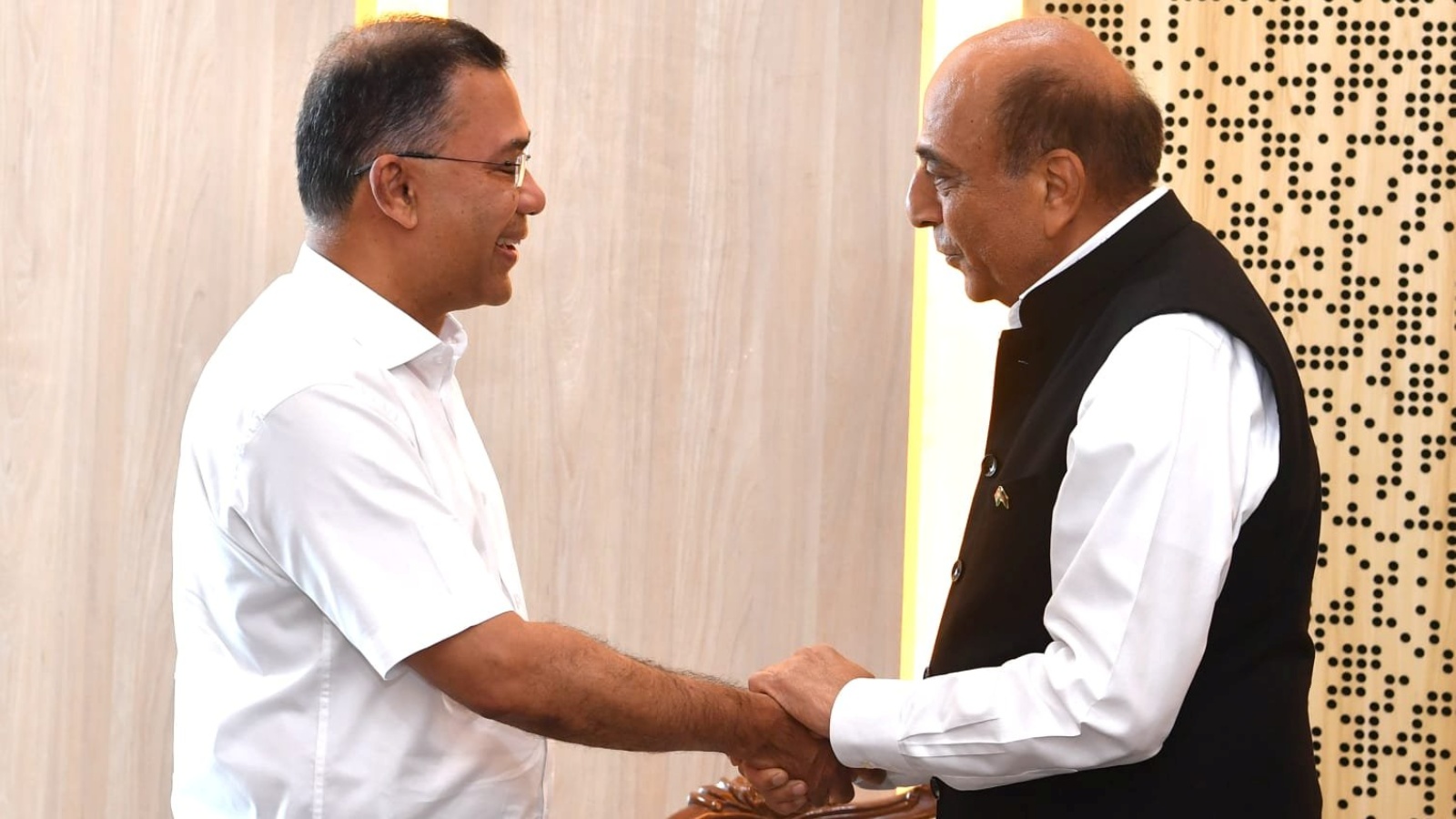
Modi aims for a memorable Rahman visit to India, envoy says
Indian PM Modi wants Tarique Rahman’s India visit to be memorable, according to the Indian envoy in Dhaka. The remarks come as tensions over Hasina's extradition and a BRICS-related schedule cloud prospects of a bilateral meeting.
Key takeaways
- Modi aims for a memorable Rahman visit, according to the Indian High Commissioner in Dhaka.
- Rahman’s trip is associated with the BRICS summit timetable, but bilateral talks depend on resolving outstanding tensions, including Hasina’s extradition request.
- Dhaka’s objection to a Hasina-related event in New Delhi highlights ongoing strains despite calls for dialogue and a partnership of equals.
What Happened
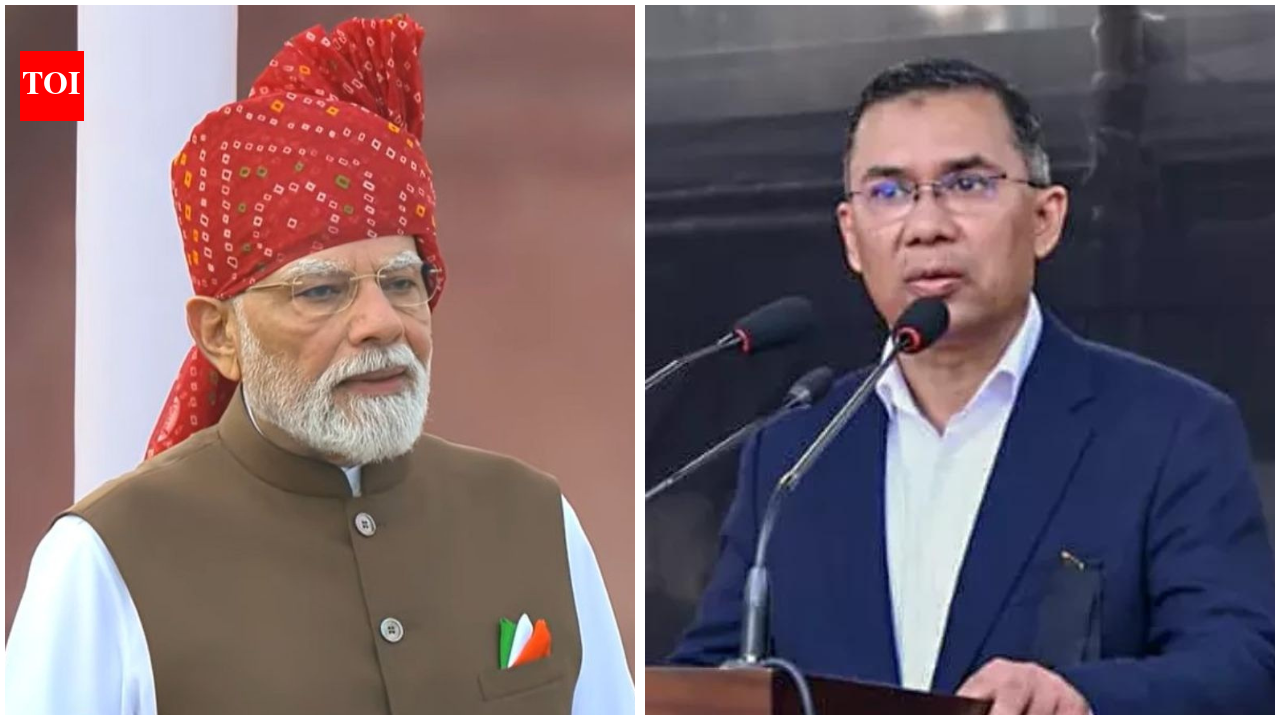
Indian High Commissioner to Bangladesh Dinesh Trivedi said that Prime Minister Narendra Modi wants Bangladesh Prime Minister Tarique Rahman’s proposed visit to India to be memorable. Trivedi spoke at a reception in Dhaka for Bangladeshi business leaders and a visiting Confederation of Indian Industry delegation, noting Modi’s assurance of an appropriate welcome when Rahman visits India. The remarks were reported in multiple outlets, with emphasis on the need for the two leaders to meet and strengthen ties.
The discussion occurred amid uncertainty over Rahman’s planned trip to New Delhi for the BRICS summit on September 12–13, and potential bilateral talks with Modi. The environment around the visit is complicated by Dhaka’s demand for the extradition of former prime minister Sheikh Hasina, who has lived in India since August 2024 after being removed from power in a violent crackdown. Hasina was sentenced to death in absentia by a Bangladeshi tribunal in November 2025 for alleged crimes during protests. India has said the extradition request is being considered under applicable law. Dhaka also raised concerns after Hasina conducted a virtual media interaction from New Delhi on August 5, an event the Bangladeshi government said hurt sentiments and could affect ties.
Trivedi framed the calls for dialogue as essential, stressing that disagreements are natural between vibrant democracies and should be addressed through engagement. He described the relationship as a partnership of equals and highlighted the broader goal of ensuring mutual benefit for people and businesses in both countries.
Why It Matters
The comments underscore a high-stakes effort to cement closer ties on both sides ahead of potential leadership-level engagement around the BRICS summit. They come against a backdrop of ongoing disputes over Hasina’s extradition and public expressions of concern about bilateral friction. How Modi and Rahman manage these issues could influence ongoing cooperation on trade, investment, and regional diplomacy, including India’s Neighborhood First policy as outlined by the envoy.
Background
Rahman’s visit has been proposed in the context of improving ties between India and Bangladesh. Dhaka’s extradition request for Hasina, who has been in India since her ouster in 2024, has intermittently strained relations. Hasina was sentenced in absentia in 2025 for alleged crimes during the crackdown on protesters. The Hasina issue intersects with other bilateral sensitivities, including Dhaka’s objection to Hasina’s media appearance from New Delhi in August, which Dhaka characterized as affecting sentiment and bilateral efforts. These elements shape the environment in which Rahman’s visit could occur.
India has stated that extradition requests are being examined under law, signaling a cautious approach to a high-profile political dispute that could color any forthcoming discussions between Modi and Rahman.
Key Facts
- PM Narendra Modi wants Tarique Rahman’s India visit to be memorable, as stated by Indian High Commissioner Dinesh Trivedi.
- The remarks were made at a Dhaka reception for Bangladeshi business leaders and a CII delegation, on August 18, 2026.
- Rahman’s proposed visit to New Delhi is tied to the BRICS summit on September 12–13, 2026, with uncertainty surrounding a possible bilateral meeting.
- Bangladesh has demanded the extradition of former prime minister Sheikh Hasina, who has lived in India since August 2024 and was sentenced in absentia in November 2025.
- India says the Hasina extradition request is being examined under applicable law; Dhaka objected to Hasina’s virtual media interaction from New Delhi on August 5.
- Trivedi described differences as natural between vibrant democracies and urged moving forward through dialogue, framing the relationship as a partnership of equals.
- India’s Neighbourhood First policy is invoked to emphasize the importance of sustained engagement despite “hiccups.”
What Happens Next
Officials indicate ongoing engagement to address past differences while seeking a substantive, mutually beneficial relationship. The Hasina extradition issue, the BRICS-related timings, and both countries’ domestic calculations will influence whether Rahman’s visit materializes and how warmly it is received in New Delhi.
Sources reviewed
Project Chintan independently synthesized and analyzed information cross-checked across the sources listed above.
Related stories

Sitharaman leads India-Singapore ministerial roundtable delegation

Afghanistan Embassy Delhi marks Taliban fifth anniversary

Bangladesh says Tarique Rahman won’t visit India until Hasina extradited