
Indian politicians react to Modi’s ‘dimagi Naxal’ remark
After Prime Minister Modi invoked ‘dimagi Naxals’ in Independence Day remarks, prominent figures from Congress and AAP embraced the label in social media posts, while BJP leaders defended Modi and criticized the responses.
Key takeaways
- Modi linked dimagi Naxals to a continuing internal security challenge in his Independence Day address.
- Chidambaram and Kejriwal publicly embraced the label, with Moitra showing support for Chidambaram.
- BJP leaders pushed back, arguing Modi did not call opposition leaders dimagi Naxals and offering a narrower definition.
What Happened
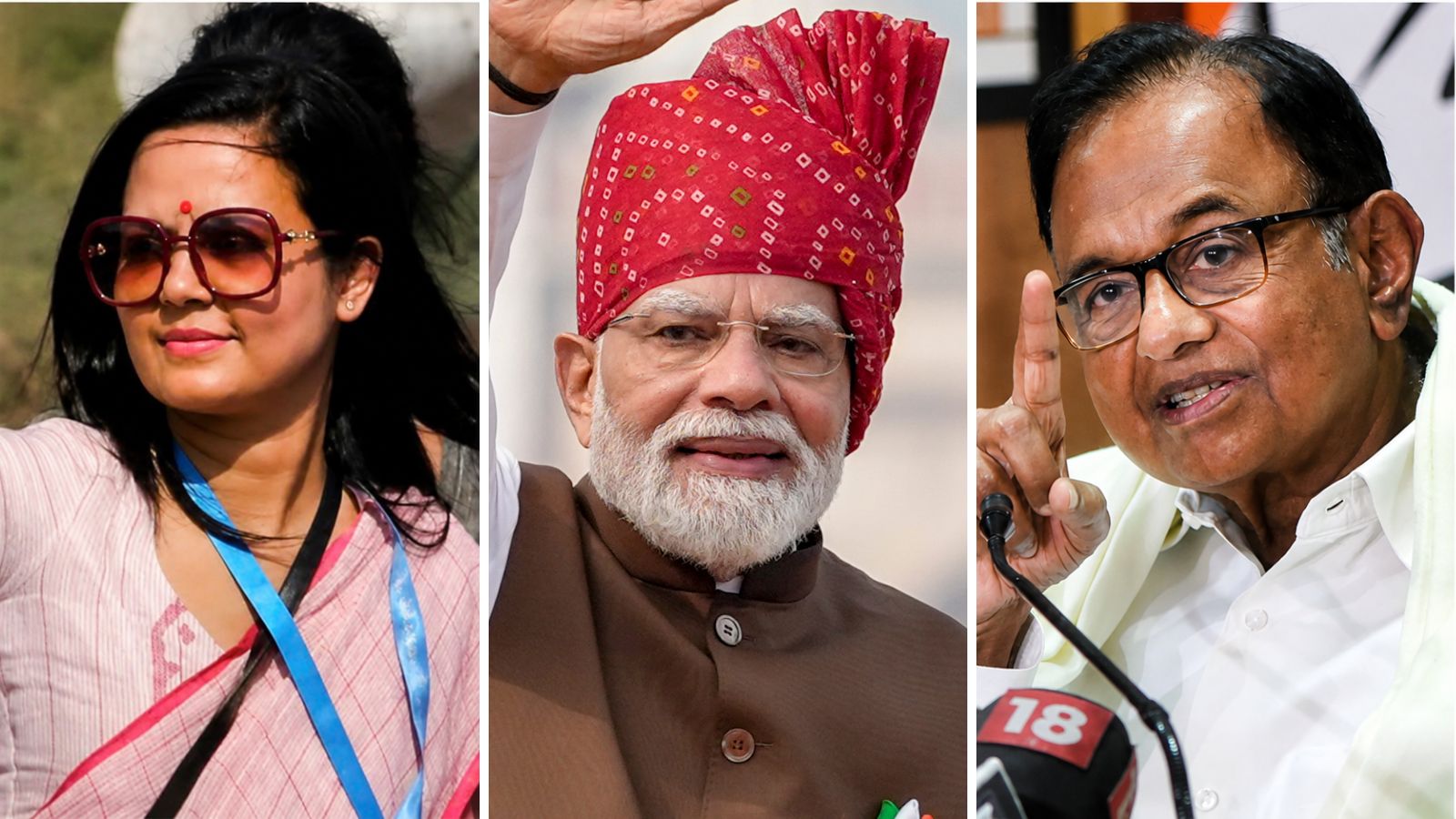
Prime Minister Narendra Modi used the phrase dimagi Naxals in his August 15 Independence Day address from the Red Fort, describing ideologically inclined individuals who threaten stability as a remaining concern in the country. He urged identification and isolation of these figures, who he said were waiting to revive violence and anarchy. In the days that followed, several opposition figures engaged with the label in their public statements and social media posts.
On August 16, Congress leader P. Chidambaram and AAP national convenor Arvind Kejriwal aligned themselves with the term, with Chidambaram declaring pride in being a dimagi Naxal in a social post, and Kejriwal likewise accepting the label while arguing that questioning government actions and demanding reform should not be equated with subversion. Another opposition figure, Mahua Moitra of the TMC, echoed Chidambaram’s revival of the label in support of the stance.
Party defenders from the Bharatiya Janata Party (BJP) criticized the opposition responses. Union Minister Kiren Rijiju called Chidambaram’s reply unfortunate and said Modi did not refer to opposition leaders as dimagi Naxals, instead outlining a definition that included individuals who support Maoists, reject the Indian Constitution, back separatists, or advocate measures seen as threatening national integrity. BJP spokespersons also questioned the timing and phrasing of the opposition reactions in relation to Manmohan Singh’s earlier comments on Naxalism.
Why It Matters
The exchange centers on a codified framing of political opponents within terms tied to security threats, illustrating how rhetoric around internal conflict can be weaponized in public discourse. The incident highlights ongoing political fault lines in India over how to characterize dissent and how to respond to long-running internal security challenges like Naxalism.
Background
Modi’s August 15 remarks come in the context of a decades-long conflict with Naxalism in parts of India. He described ideological or “dimagi” Naxals as a continuing threat and called for measures to identify and isolate them. Opposition figures and their supporters have since engaged with the phrase on social media, reframing it as a test of patriotism and political courage.
Key Facts
- Prime Minister Modi used the term dimagi Naxals in his August 15 Independence Day address from the Red Fort.
- He said ideological Naxals were weakening but still posed a threat, and urged identifying and isolating them.
- Chidambaram posted on August 16-17 expressing pride in being a dimagi Naxal; Kejriwal also echoed the label; Mahua Moitra supported Chidambaram’s stance.
- BJP figures, including Kiren Rijiju and a BJP spokesperson, rejected the interpretation that Modi named opposition leaders as dimagi Naxals and offered their own definitions of the term’s scope.
What Happens Next
The discussion is likely to influence ongoing political messaging around security and dissent, with opposition figures embracing a label that could complicate future political targeting. Official commentary from BJP continues to frame the term within a broader security-oriented definition and contrasts it with opposition rhetoric.
Sources reviewed
Project Chintan independently synthesized and analyzed information cross-checked across the sources listed above.
Related stories
Deepak Mhaske named BJP IT and social media chief

Karnataka forest-guard killings: opposition seeks judicial probe and Reddy's resignation

Karnataka forest killing echoes 2015 Tamil Nadu woodcutters’ mass deaths
