Medicare Reimbursement Cuts Drive Increase in Laser-Assisted Cataract Surgeries
Medical providers are increasingly utilizing laser technology for cataract procedures as federal Medicare payments for standard surgeries have declined by 20% over the last decade. While patients often pay thousands in out-of-pocket costs for these upgrades, clinical research from major medical orga
Key takeaways
- Physicians are adopting laser technology to recoup revenue lost to a 20% decrease in Medicare reimbursement rates.
- Major medical bodies, including the American Academy of Ophthalmology, find no evidence that lasers offer better outcomes than traditional scalpels.
- Federal rules allow doctors to bill patients extra for laser use only when it involves vision correction like astigmatism repair.
- Patients pay between $1,000 and $3,000 per eye for laser assistance, despite the lack of proven clinical superiority for standard cases.
What Happened
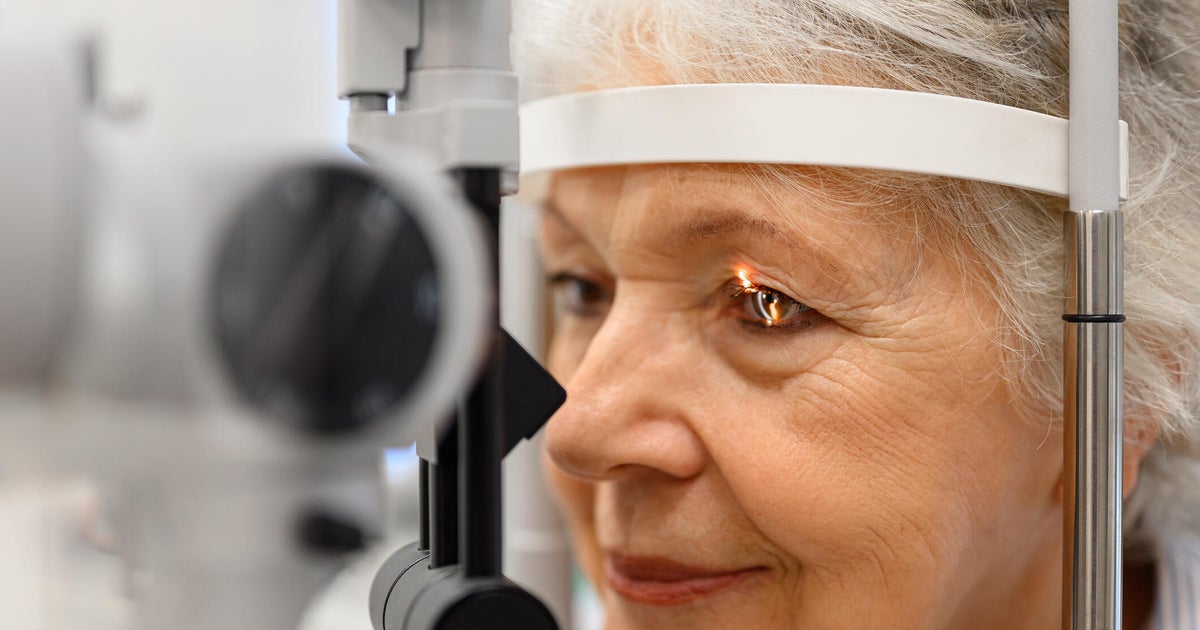
A shifting financial landscape in ophthalmology is leading more surgeons to offer laser-assisted cataract procedures, which require patients to pay significant out-of-pocket fees. Medicare currently compensates physicians approximately $520 for a standard cataract surgery, a figure that includes pre- and postoperative care. This represents a 20% reduction in reimbursement rates over the last ten years. To offset these declining margins and cover the high costs of equipment—which can reach $500,000—many practices are leveraging federal rules that allow extra billing for vision correction services not covered by traditional Medicare.
Background
Cataracts, a condition where eye lens proteins clump and blur vision, affect over half of Americans by age 80. While the traditional scalpel method has been the standard for decades, laser-assisted surgery has grown to account for nearly 12% of the 5 million cataract operations performed annually in the United States. Under Medicare guidelines, doctors are generally prohibited from charging patients more than the government-set rate. However, an exception exists when lasers are used specifically to address astigmatism or to facilitate the insertion of premium lenses intended to reduce reliance on glasses.
Why It Matters
The rise in laser usage highlights a disconnect between clinical evidence and market adoption. The American Academy of Ophthalmology reports that studies have not demonstrated that laser-assisted surgery results in fewer complications or superior visual outcomes compared to conventional methods. Despite this, patients frequently pay between $1,000 and $3,000 per eye for laser use, often under the impression that higher costs equate to better medical results. For surgeons, the technology provides a vital revenue stream; for patients, it offers convenience through vision correction, though at a substantial personal expense.
Key Facts
- Medicare reimbursement for standard cataract surgery has dropped 20% in the last decade to roughly $520.
- Laser equipment for these procedures can cost medical practices up to $500,000.
- Approximately 12% of the 5 million annual cataract surgeries in the U.S. are now laser-assisted.
- Out-of-pocket costs for laser use typically range from $1,000 to $3,000 per eye.
- Premium lenses, often used in conjunction with lasers, can cost patients an additional $1,000 to $4,000.
- The American Academy of Ophthalmology states that lasers do not provide better outcomes than traditional scalpels for standard procedures.
Sources reviewed
Project Chintan independently synthesized and analyzed information cross-checked across the sources listed above.
Related stories
Cholesterol Treatment Shows Promise in Removing 'Forever Chemicals' and Microplastics
KFSH Jeddah Implements Scarless Hysterectomy Technique via Natural Orifice Surgery

UAE Schools Set 2025-2026 Calendar: Key Term Dates and Holidays