Viral 1991 Mars Bar Sparks Debate on Shrinkflation and Brand Identity
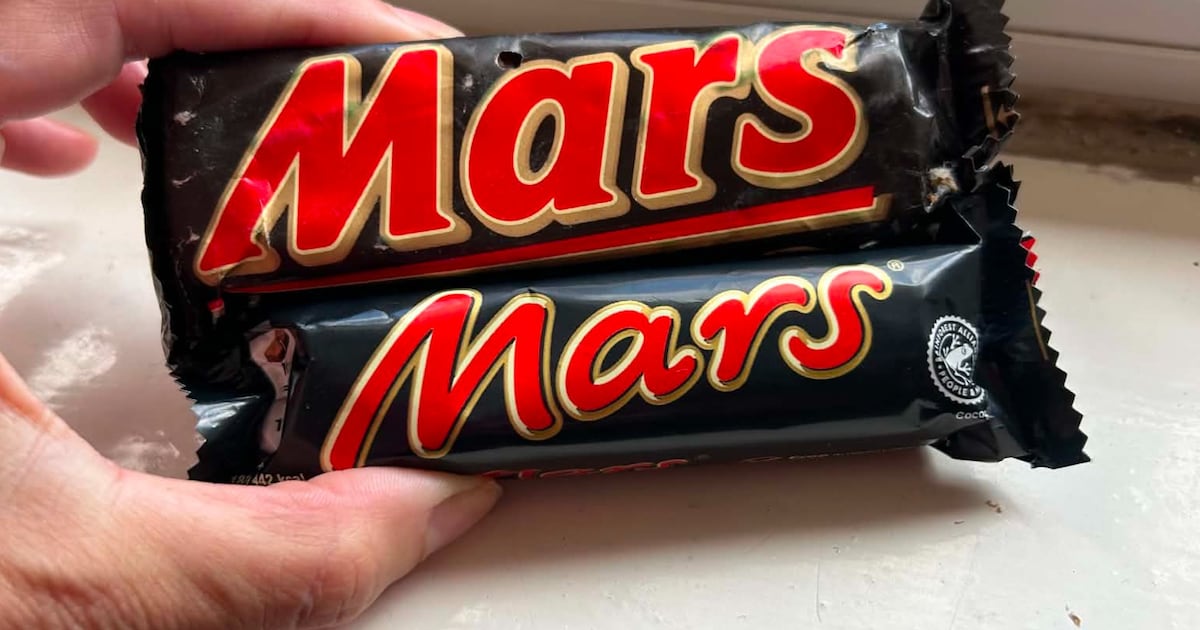
A 1991 Mars Bar, weighing 62.5g, has gone viral compared to today's 40g version, igniting discussions about shrinkflation. The debate centers on how brands can alter product size while maintaining consumer recognition and loyalty.
Key takeaways
- A 1991 Mars Bar, found to be 62.5g, has gone viral, contrasting sharply with the current 40g version.
- This has fueled public discussion about shrinkflation and consumer trust in brands.
- Brand identity can be maintained through recognizable cues even as product sizes change.
- Marketing experts suggest brand equity stems from recognition and meaning, not just physical size.
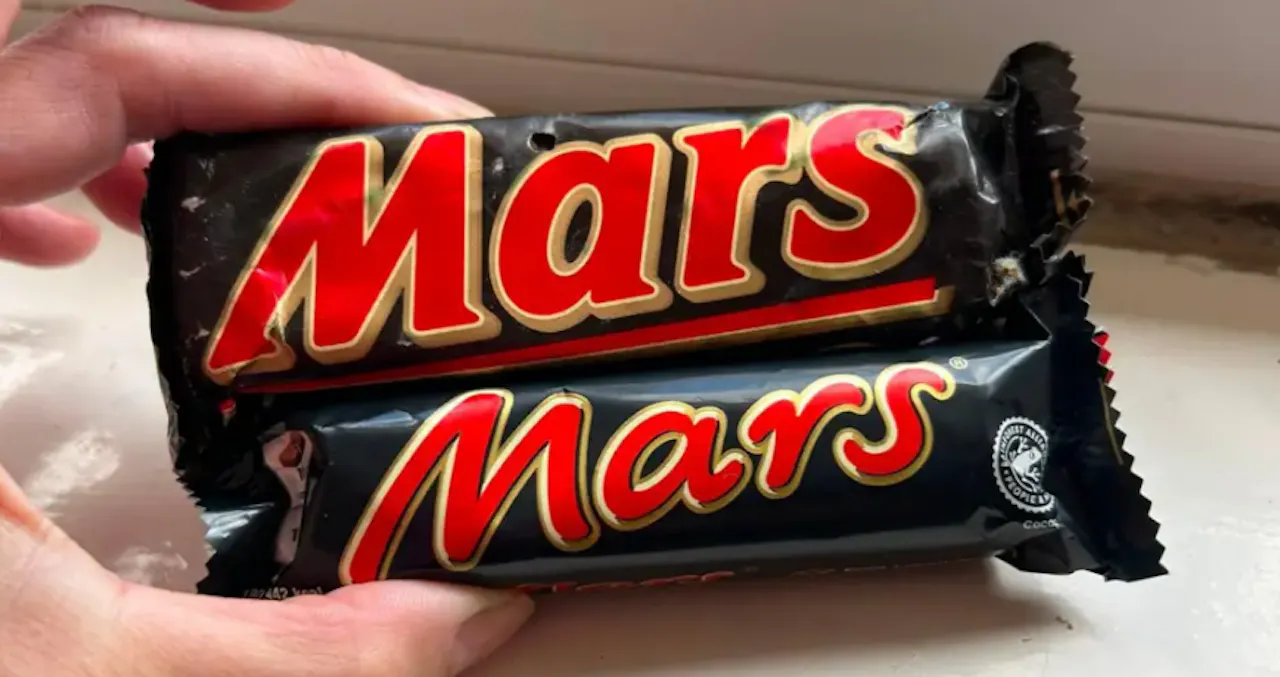
A discovered 1991 Mars Bar, weighing 62.5g, has gained significant online attention when juxtaposed with the current 40g iteration. This finding has fueled a public conversation about "shrinkflation," a practice where product sizes decrease while prices remain the same or increase, testing consumer trust.
What Happened
The viral 1991 Mars Bar was unearthed during a house clearance. Its size, significantly larger than contemporary versions, has drawn comparisons to other nostalgic elements like music and television from the same era. The discussion highlights how consumers often react to perceived changes in product size and value.
Why It Matters
The case of the Mars Bar illustrates a broader marketing challenge: maintaining brand identity amidst product evolution. While consumers may fixate on size or weight, the enduring appeal of a brand often relies on consistent visual cues, packaging, and taste. The argument suggests that brands can adapt and change formats without alienating consumers, as long as the core elements that foster recognition and meaning remain intact.
Background
The phenomenon of shrinking products while maintaining price is a recurring concern for consumers. This situation underscores the importance of what is termed 'Culinary Identity,' which involves creating a consistent and recognizable representation of a food or drink product over time. Strong brands are seen to evolve by refining and adapting to their environment while preserving recognizable attributes, suggesting that not all changes require a complete reinvention.
Key Facts
- A Mars Bar from 1991 was found to weigh 62.5g.
- The current Mars Bar weighs 40g.
- The packaging and taste of the Mars Bar are reported to have remained largely unchanged.
- The article discusses the concept of 'Culinary Identity' in brand marketing.
What Happens Next
The article posits that the discussion around the Mars Bar size has implications for food marketers. It suggests that brand equity is built on recognition, memory, and meaning, rather than solely on product size. The author raises a question about the societal health implications of larger confectionery portions in the future, hinting that smaller sizes might not necessarily be detrimental.
Sources reviewed
Project Chintan independently synthesized and analyzed information cross-checked across the sources listed above.