Magnitude 7.4 Earthquake Strikes Western Colombia, Declared National Emergency
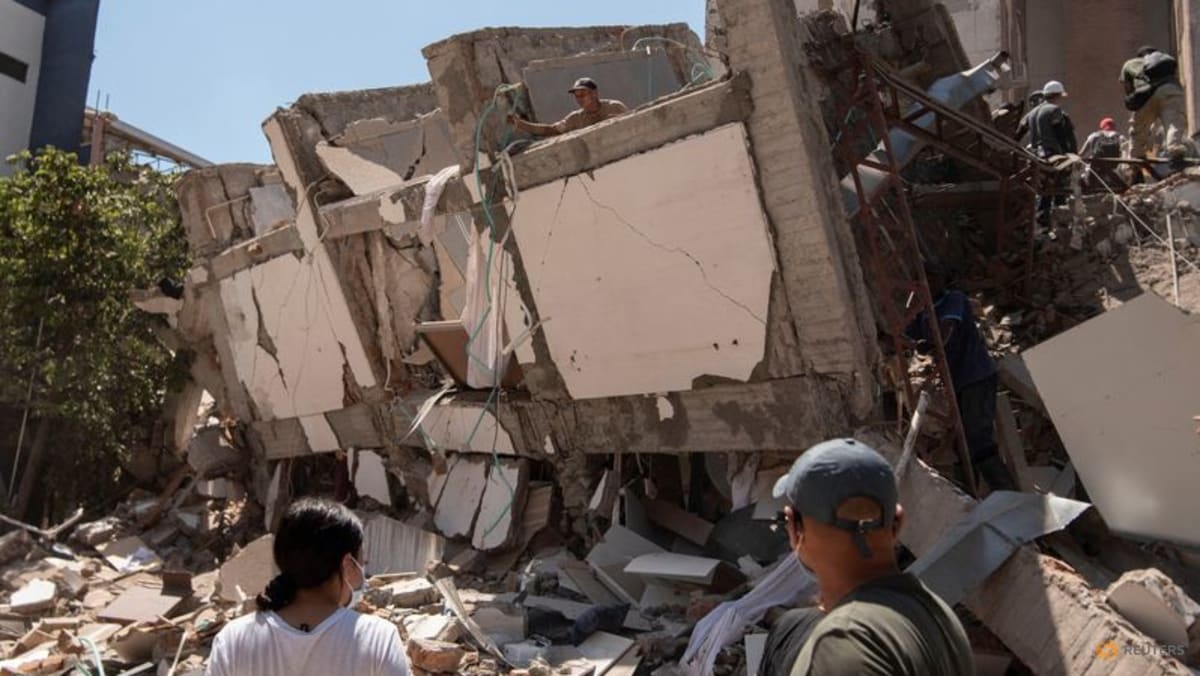
A powerful magnitude 7.4 earthquake jolted western Colombia on Monday morning, causing fatalities and significant damage. The national emergency response is prioritizing rescue efforts for those trapped.
Key takeaways
- A magnitude 7.4 earthquake occurred in western Colombia on Monday morning.
- The quake resulted in dozens of deaths and significant property damage.
- The Colombian president declared a national emergency, prioritizing rescue efforts.
- The event was felt in neighboring countries including Panama and Ecuador.
- Colombia's geological position makes it prone to frequent seismic activity.
What Happened
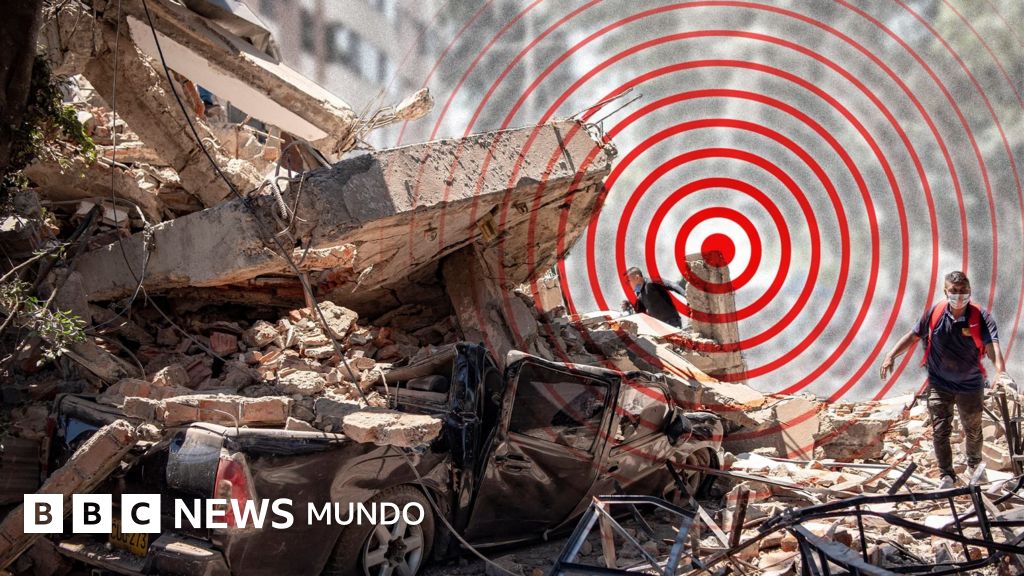
A strong earthquake with a magnitude of 7.4 struck western Colombia on Monday morning. The tremor caused numerous deaths and substantial material damage. The event was felt across a large portion of Colombia, as well as in Panama, Venezuela, and some Ecuadorian provinces, including Pichincha.
The epicenter was located near the municipality of San José del Palmar in the Chocó department, at a depth of approximately 107 kilometers, according to the United States Geological Survey (USGS). The newly inaugurated Colombian President, Abelardo de la Espriella, declared a national state of emergency less than 72 hours after taking office, stating that the immediate focus is on rescuing individuals trapped under debris.
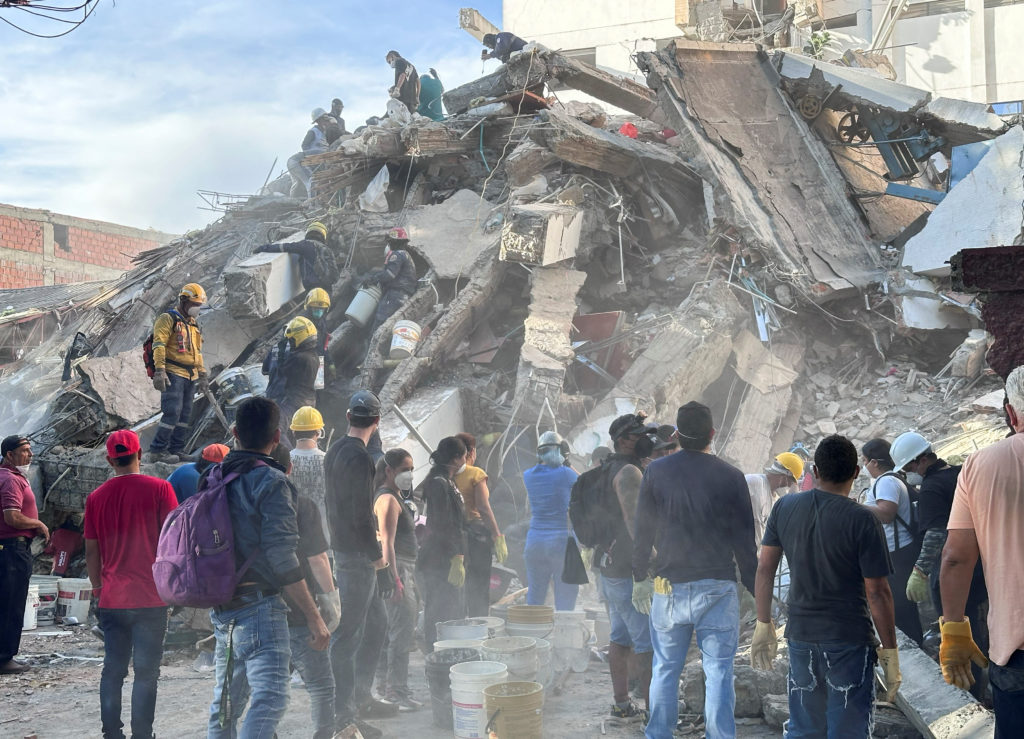
Officials described the earthquake as the "strongest felt in Colombia in the last decade." Reports indicate that by 6:00 PM the previous day, there had been around 47 aftershocks, many accompanied by alarms. Additionally, on the day of the main event, a building had collapsed, and rescue operations were underway to recover potential victims and bodies.
Background
Colombia's location on the boundary of the Nazca, Caribbean, and South American tectonic plates makes it highly susceptible to seismic activity. The movement and interaction of these plates, described as pieces of the Earth's crust shifting, are the cause of earthquakes. Specifically, the Nazca Plate is subducting eastward beneath the South American Plate at a rate of 55-60 millimeters per year, building pressure that is released as seismic events.
The country is situated within the Pacific Ring of Fire, a zone known for extensive volcanic and seismic activity, which stretches from Chile to New Zealand. Colombia typically experiences around 2,500 earthquakes per month, with most being minor and not perceptible to the public.
Sources reviewed
Project Chintan independently synthesized and analyzed information cross-checked across the sources listed above.
Related stories
Colombia Earthquake: Over 3,000 Missing, 179 Dead as Rescue Efforts Continue

Family Flees Colombia Home as 7.4 Magnitude Earthquake Strikes
Gauteng Warns of Cold Snap Risks, Urges Safety Measures