Emotional Breakdown in Clancy Murder Trial as Jury Examines Autopsy Evidence
The Massachusetts murder trial of Lindsay Clancy faced an abrupt suspension after the defendant broke down during the presentation of forensic photography. Prosecutors and defense attorneys remain divided on whether the former nurse acted with premeditated intent or was driven by severe postpartum p
Key takeaways
- Lindsay Clancy sobbed uncontrollably in court, forcing an unscheduled break during the presentation of autopsy photographs of her youngest child.
- Witnesses described Clancy as a loving mother who suffered from severe insomnia, 'brain fog,' and negative reactions to psychiatric medications.
- The defense argues Clancy is not criminally responsible due to postpartum psychosis, while the prosecution claims the act was a premeditated ruse.
- Clancy, a former nurse, faces life without parole if convicted, or commitment to a state mental facility if found not guilty by reason of insanity.

The Trial Environment
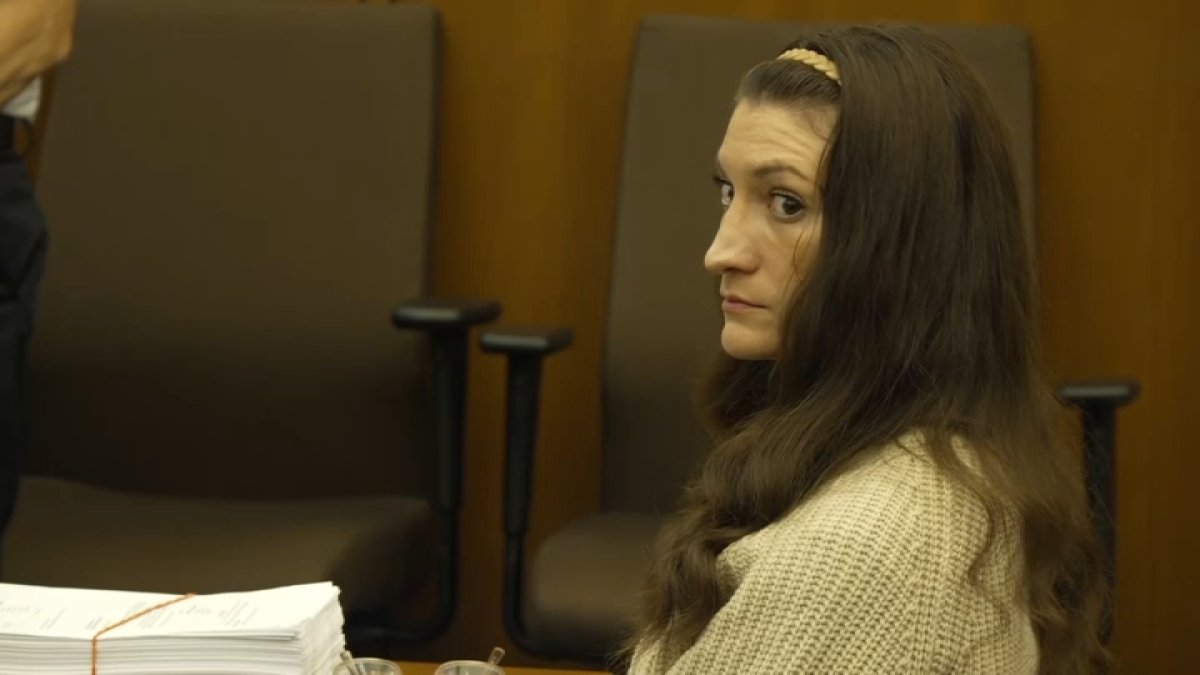
Courtroom proceedings in the trial of Lindsay Clancy reached a temporary standstill on Thursday. The 35-year-old defendant, a former labor and delivery nurse, sobbed without restraint as jurors reviewed autopsy photographs of Callan, her 8-month-old son. The judge ordered an unscheduled recess to address the emotional volatility of the session. Clancy is charged with the 2023 strangulations of Callan and his older siblings, 5-year-old Cora and 3-year-old Dawson. She has pleaded not guilty to all counts.
Evidence of Pre-Incident Mental State
The second week of testimony focused on Clancy's psychological condition leading up to the January 24, 2023, incident. Witnesses, including friends and colleagues from Massachusetts General Hospital, described a woman who appeared to be a dedicated mother while privately grappling with severe insomnia and medication side effects. Andrea Hennigan, a former coworker, testified that Clancy felt unable to care for patients due to a persistent "brain fog."
Other acquaintances corroborated these struggles. Amy Bevins and Bethany Decollibus testified about Clancy's descriptions of feeling like a "zombie" and experiencing "dark thoughts." Christopher Clancy, the defendant's former father-in-law, noted he had offered to take the children into his care temporarily, though his son declined the proposal at the time. Despite these internal struggles, witnesses noted that Clancy had not explicitly voiced homicidal or suicidal intentions to them before the tragedy occurred.
Legal Arguments on Culpability
The defense team does not deny that Clancy killed her children but argues she lacks criminal responsibility due to undiagnosed bipolar disorder and postpartum psychosis. They contend her mental health deteriorated because of problematic psychiatric prescriptions. Conversely, prosecutors argue the defendant acted with deliberation, characterizing the errand she requested her husband to run as a calculated ruse to clear the home.
Key Facts
- Lindsay Clancy remains paralyzed from the waist down following a jump from a second-story window on the night of the killings.
- Defense attorneys assert that the defendant suffered from postpartum psychosis, a rare and severe mental health condition.
- The defendant faces a potential sentence of life in prison without the possibility of parole if convicted of murder.
- Witnesses testified that Clancy reported negative side effects from medications in the weeks preceding January 2023.
Background
The Clancy proceedings coincide with a major development in a similar Massachusetts case. The state's Supreme Judicial Court recently overturned the convictions of Latarsha Sanders, who was previously found guilty of killing her two sons in 2018. The high court ruled that the trial judge improperly excluded medical records that could have supported Sanders' insanity defense. This ruling underscores the heavy reliance on psychiatric evidence and medical history in high-stakes criminal trials involving maternal mental health.
Source: WFSB
Related stories

Psychiatrist Details Lindsay Clancy’s Deteriorating Mental State Before Fatal Incident
Psychiatrists Detail Pre-Incident Treatment as Week Two of Clancy Murder Trial Concludes

New Mexico Judge Levels $567 Million Financial Penalty Against Meta Over Child Safety