
Kerala’s falling birth rate stalls teacher recruitment
In Kerala, falling enrolment linked to a shrinking birth rate is hobbling government teacher recruitment. Despite a 6,114-strong rank list created in June 2025 for lower primary posts, only 239 appointments have occurred, with vacancies tied to student numbers and age limits. The state saw a multi-y
Key takeaways
- Kerala's lower primary schools operate at a 1:30 teacher-student ratio.
- A rank list of 6,114 candidates was created in June 2025 for three years, but only 239 have been appointed.
- Student enrolment in government and aided schools fell by about 3.33 lakh from 2021-22 to 2025-26, reducing vacancies.
- First-standard enrollment this year in government/aided schools is down from last year.
- Historical declines in Kerala's crude birth rate align with the drop in pupil numbers and staffing challenges.
What Happened
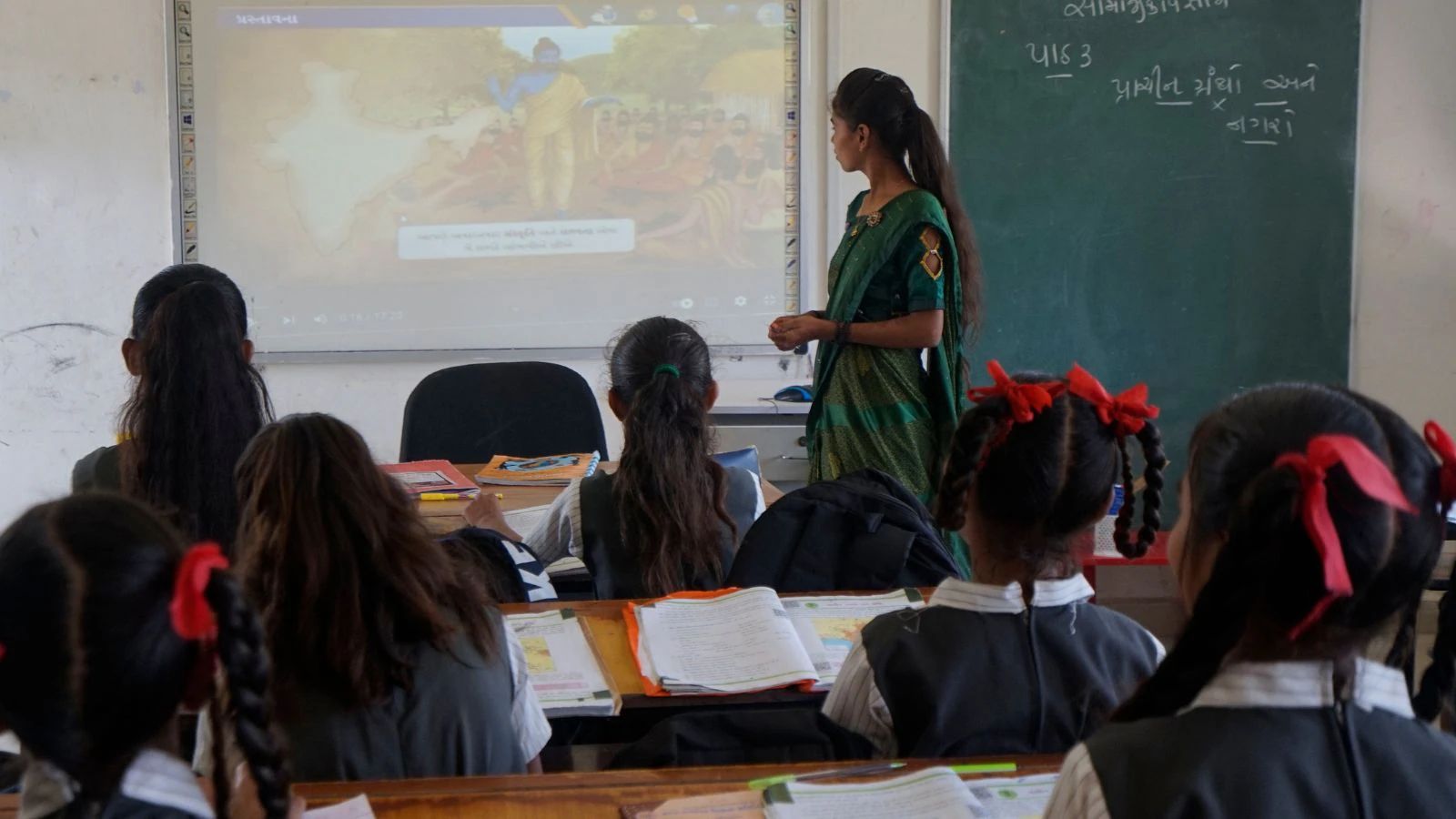
In Kerala, the lower primary teacher segment operates at a teacher-student ratio of 1:30. The state’s Public Service Commission created a rank list of 6,114 candidates for government lower primary schools for a three-year period beginning June 2025. To date, only 239 of those rank holders have been appointed. The three-year rank list is scheduled to expire in May 2028, and aspirants argue that time is pressing as vacancies have not matched the number of candidates.
Several job seekers describe ongoing struggles to secure positions, despite training and eligibility. The apparent bottleneck is tied to declining student enrolment, which affects the number of vacancies available each year in schools. The annual staff fixation process determines post openings based on enrolled students; if enrolment falls below required levels, fewer vacancies are created and some teachers can be displaced when retirements occur.
Advocates within the Kerala School Teachers’ Association point to a broader decline in teaching positions over time, attributing it to falling student numbers. They note that teachers appointed before 2022 have protections allowing redeployment when needed, but those appointed after 2022 face higher risks of job loss if vacancies do not arise.
Enrolment data show a significant decrease in student strength in government and aided schools between 2021-22 and 2025-26: a drop of 3.33 lakh students, from 38.68 lakh to 35.35 lakh. Within government and aided schools following the state board syllabus, first-standard enrollment this year was 2,06,706, down from 2,34,476 in the previous academic year.
The broader demographic context includes historical declines in Kerala’s crude birth rate: 17.67 in 1992, gradually falling to 16.63 by 2006, 15.75 by 2010, dipping below 15 for the first time in 2016 at 14.48, and continuing to decline to 13.79 in 2019, with further reductions observed in 2020 and 2021. These figures align with the observed enrollment reductions and the resulting impact on teacher vacancies.
Individual accounts from job seekers outlining personal hurdles—such as age limits, the cost of securing appointments in aided schools, and prolonged periods of unemployment after training—underscore the persistence of the recruitment gap despite the rank list advances. One candidate aged 40 described the delay as affecting a long-held aspiration, while others highlighted financial and familial barriers to pursuing posts in the sector.
Why It Matters
The mismatch between teacher availability and student enrolment risks reducing staffing in government lower primary schools, potentially affecting classroom capacity and educational delivery. A sustained shortfall in appointments, even with a sizeable rank list, can erode teaching continuity and long-term planning for school operations, especially if vacancies are not filled as soon as retirement or other departures occur.
Additionally, declines in birth rates and pupil numbers influence state budgeting for education, including how staff fixation is conducted and how future recruitment cycles are scheduled. Persistent enrolment declines could push authorities to re-evaluate staffing norms and resource allocation in lower primary cohorts.
Background
Kerala has experienced a prolonged decline in birth rates since the 1990s, with successive reductions in crude birth rate over the years, intersecting with ongoing shifts in school-age population. The government conducts staff fixation at the start of each academic year, tying openings to the number of enrolled students. Post-2022 appointments face additional job-security considerations, as redeployment rules differ for newer hires compared with earlier entrants.
Between 2021-22 and 2025-26, total student strength in government and aided schools fell by 3.33 lakh, indicating a sustained contraction in the student base that feeds classroom staffing needs. Enrolment in the first standard of state-board schools has also declined year over year, with this year’s figure lower than the previous year.
Key Facts
- Lower primary teacher-student ratio in Kerala is 1:30.
- Public Service Commission formed a rank list of 6,114 lower primary teacher candidates for three years beginning June 2025.
- Only 239 of the 6,114 appointed so far.
- Rank list expiry: May 2028.
- Enrolment decline: 38.68 lakh to 35.35 lakh in government and aided schools (2021-22 to 2025-26).
- First standard enrollment in government/aided schools this year: 2,06,706; last year: 2,34,476.
- Crude birth rate in Kerala declined from 17.67 in 1992 to sub-15 levels by 2016, continuing to drop through 2021.
- Multiple job-seeking teachers report delays in appointment despite TTC completion and rank-list placement.
What Happens Next
At present, the process for filling vacancies in lower primary schools appears constrained by enrolment figures and the timing of rank-list expirations. The state’s education and PSC bodies may revisit staffing norms or recruitment timelines in response to continued declines in student numbers, while rank-holders await postings with a three-year eligibility window and potential redeployment rules for longer-tenured staff.
Sources reviewed
Project Chintan independently synthesized and analyzed information cross-checked across the sources listed above.