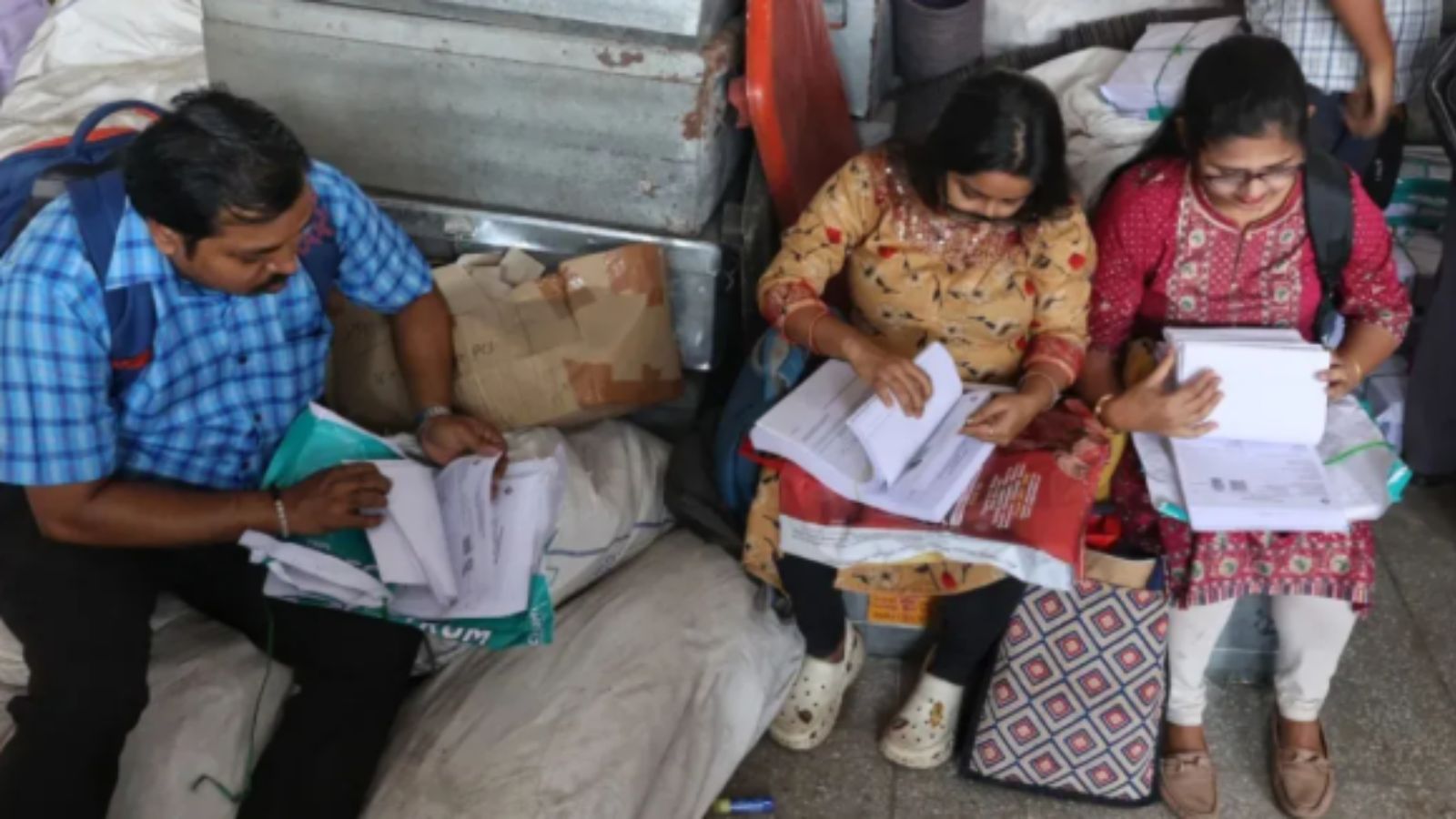
Karnataka HC overturns suspension of KPSC chairperson Sahukar
The Karnataka High Court set aside the governor’s suspension of KPSC chairperson Shivashankarappa S. Sahukar, reinstating him subject to a non-participation directive on related decisions. The court held the suspension illegal for lacking Cabinet advice and noted prior jurisprudence on similar refer
Key takeaways
- The court invalidated the governor's suspension of the KPSC chairperson due to lack of cabinet advice.
- Sahukar was reinstated, with a directive restricting his participation in related selection decisions.
- The ruling cites constitutional precedent about suspensions and potential Supreme Court references.
- Allegations involved recruitment of Sahukar's daughters and discrepancies in income declarations.
- The decision emphasizes the need for collective executive input in disciplinary actions against state public service figures.

What Happened
The Karnataka High Court ruled that the governor’s suspension of Shivashankarappa S. Sahukar, the chairperson of the Karnataka Public Service Commission (KPSC), was invalid. The court ordered Sahukar’s reinstatement and determined that the suspension had been issued without the required aid and advice of the State Cabinet. The decision was delivered on August 18, 2026.
The governor had suspended Sahukar over allegations that he influenced the recruitment of his two daughters to the posts of Industrial Extension Officer via the KPSC, and concerns about potential conflicts of interest were cited. The governor also contended that one daughter had obtained an income and caste certificate by declaring an annual family income of ₹40,000, despite the family reportedly earning more, which was described as a manipulation of declarations given Sahukar’s role as chairperson.
In upholding Sahukar’s challenge, the court noted that the governor acted independently and without State Cabinet advise for the suspension. It cited a precedent from a higher court involving suspension of a Maharashtra Public Service Commission member prior to a reference to the Supreme Court by the President under Article 317(1) of the Constitution.
As a precautionary measure, the court directed Sahukar not to participate in decision-making processes related to the selection of his daughters, while the action against the suspension was being addressed.
Why It Matters
The ruling curtails unilateral executive action in disciplinary proceedings against a state public service commission chairperson, reinforcing the need for cabinet involvement in such suspensions. It also invokes constitutional precedent regarding when the President may refer cases to the Supreme Court for enquiry, shaping the procedural contours of similar disputes in the future.
Background
The case centers on disciplinary action against Sahukar, with allegations that he facilitated the appointment of his two daughters through the KPSC and did not recuse himself or declare a conflict of interest. The governor’s suspension was based on these allegations, and the suspension order claimed a lack of disclosure and improper influence in the selection process.
The court’s reasoning drew on a comparable Supreme Court-backed precedent from Maharashtra, which related to suspension prior to a reference to the Supreme Court by the President under Article 317(1) of the Constitution.
Key Facts
- The Karnataka High Court set aside the governor’s suspension of KPSC chairperson Shivashankarappa S. Sahukar.
- The court ordered Sahukar’s reinstatement in the chairperson post.
- The court held the suspension to be bad in law due to the governor acting without the aid and advice of the State Cabinet.
- The suspension followed allegations of Sahukar influencing the recruitment of his two daughters to KPSC posts (Industrial Extension Officer).
- The governor claimed one daughter obtained an income and caste certificate with a suppressed income declaration, despite higher actual income, given Sahukar’s position.
- The court referenced a precedent involving suspension of a Maharashtra Public Service Commission member before a reference to the Supreme Court by the President under Article 317(1) of the Constitution.
- The court directed Sahukar not to participate in decisions related to the selection of his daughters during the ongoing matter.
What Happens Next
The judgment directs Sahukar’s reinstatement and imposes a temporary restriction on his participation in related selection decisions. It also reinforces the principle that suspensions in such contexts require cabinet advice and cannot be undertaken unilaterally by the governor. The decision references constitutional mechanisms for inquiries and potential future judicial referrals in similar cases.
Sources reviewed
Project Chintan independently synthesized and analyzed information cross-checked across the sources listed above.
Related stories

ED raids in Kerala pay-off case linked to Vijayan daughter
Bihar launches Vidyarthi Sahyog portal to speed student complaints

Tamil Nadu aims to speed up certificate issuance with three-tier system