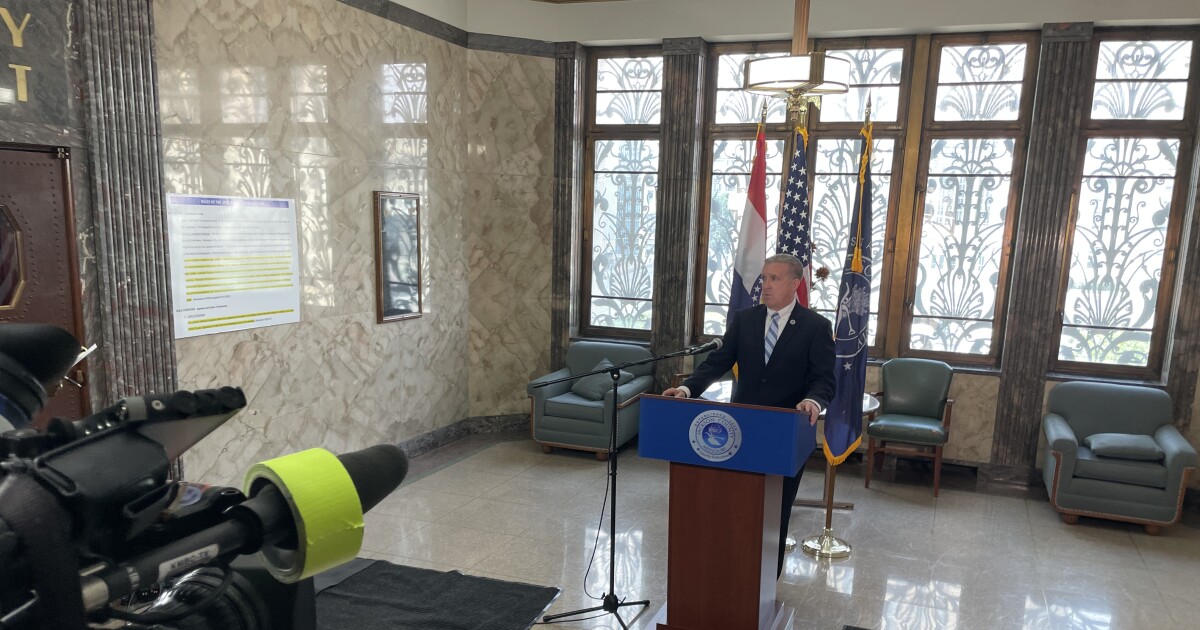
Karnataka Cabinet's All-Male Composition Sparks Criticism
Karnataka's new Cabinet, formed after the monsoon session began on August 13, has drawn criticism for its lack of female representation. Despite national calls for women's reservation and state-level schemes targeting women, the 33-member Cabinet includes no women.
Key takeaways
- Karnataka's 33-member Cabinet currently has no women, a first in recent history.
- Chief Minister D.K. Shivakumar described the issue of female representation as having 'no urgency'.
- Women's rights groups view the all-male cabinet as a deliberate political choice that sidelines female leadership.
- The situation contrasts with the national Congress party's push for 33% women's reservation.
- Historically, women's representation in Karnataka's legislature has been low.

Karnataka's latest legislative session, commencing August 13, is marked by the state's first recent all-male Cabinet. This development follows extensive negotiations over ministerial appointments and portfolio distribution, with considerable focus on caste and regional balance. The omission of women from the 33-member government has been noted, with Chief Minister D.K. Shivakumar stating there was "no urgency" regarding female inclusion, though he indicated a vacant position might be filled by a woman. Gayathri Shanthegowda, initially on the Congress high command's approved list, was not sworn in amidst competing demands.
The situation contrasts with the national Congress party's advocacy for 33% women's reservation and state-level initiatives like the Gruha Lakshmi and Shakti schemes, designed for women's empowerment. Critics argue this indicates a prioritization of women as voters over their inclusion in political power structures.
A network of feminists and women's rights groups, 'Naveddu Nilladiddare,' communicated to the Chief Minister that the all-male Cabinet represents a deliberate political choice, signaling that women and their leadership are deemed expendable in state governance. While protests have occurred regarding the exclusion of certain male leaders based on caste, region, or seniority, public outcry against the absence of women in the Cabinet has been minimal. Some limited protests were reported in Belagavi concerning Lakshmi Hebbalkar's non-inclusion, but these did not address the broader issue of female representation. The lack of Brahmin representation in the Cabinet reportedly garnered more attention than the exclusion of women.
Background
Historically, women's political representation in Karnataka has been limited. In the 2023 Assembly elections, only 10 women were elected out of 185 female candidates, constituting approximately 4.5% of the Assembly. Earlier elections in 1957 and 1962 saw higher percentages of women's representation at 6.25% and 8.65%, respectively.
Sources reviewed
Project Chintan independently synthesized and analyzed information cross-checked across the sources listed above.
Related stories
Expert on Far-Right Extremism Arrested on Financial Crime Charges
Statues of B.R. Ambedkar Vandalised in Uttar Pradesh Villages
Minister's Protest Sparks Clash Over Sanitation Worker Jobs in Alwar