
ISRO: private sector will expand ecosystem without shrinking our role
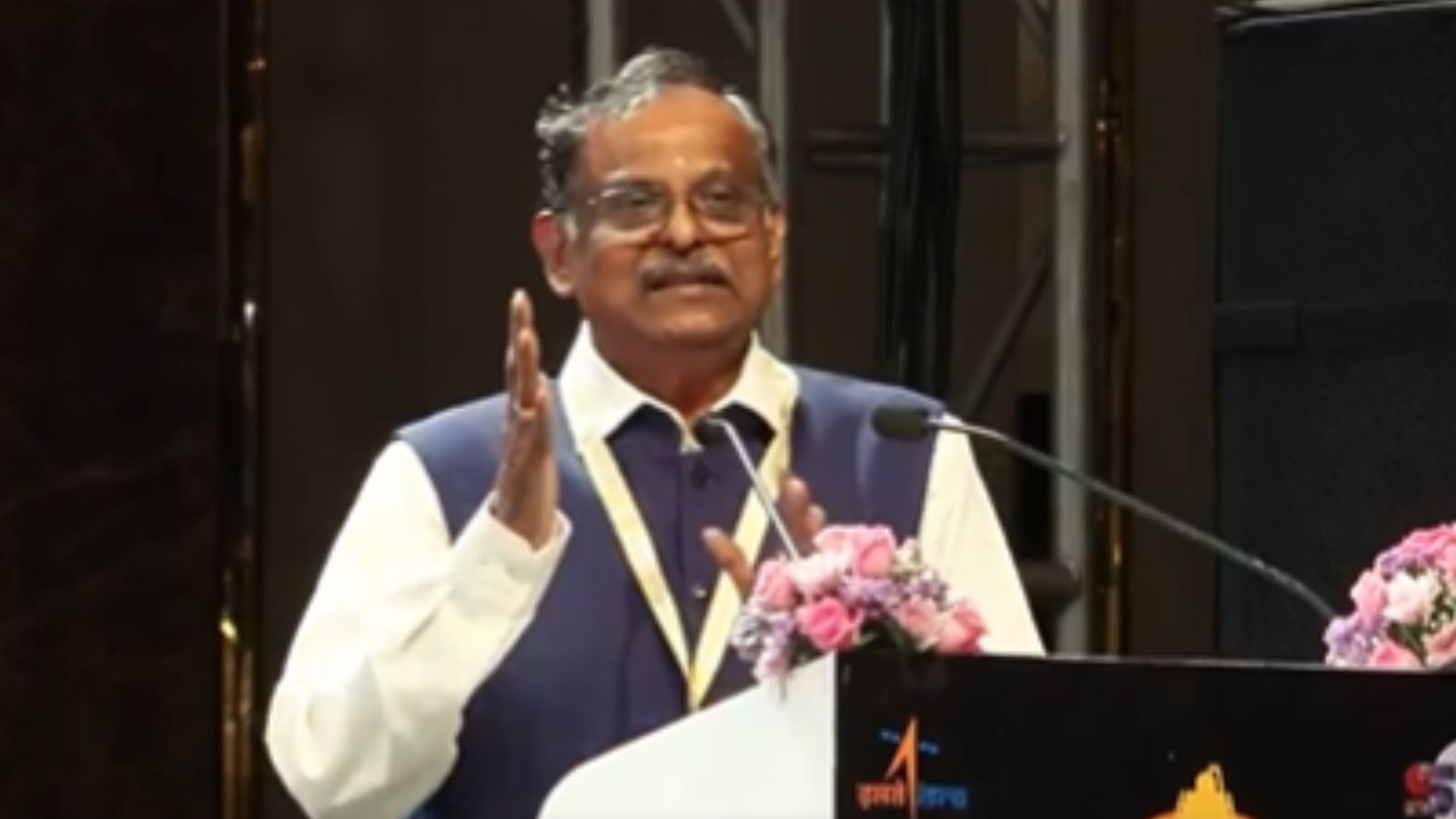
ISRO states it will remain India’s leading space research body while welcoming private sector participation as ecosystem expansion. It frames reforms as expansion, not privatisation, and outlines focus areas and future missions.
Key takeaways
- ISRO declares it will remain the leading Indian space research institution even as private sector participation grows.
- The changes are described as ecosystem expansion and capability multiplication, not privatisation.
- ISRO will prioritize frontier research, advanced technologies, human spaceflight, and next-generation launch systems.
- Routine systems production may shift to industry or PSUs via competitive processes.
- Longer-term goals include a 2035 space station and a 2040 crewed Moon mission.
What Happened
ISRO issued a formal statement asserting that it will continue to be India's principal institution for advanced space research. The agency emphasised that private sector participation is not aimed at reducing ISRO's role. It described open participation from industry, startups and academia as part of a broader space ecosystem expansion and capability multiplication across the space value chain. ISRO identified areas where its scientific expertise will remain central, including frontier research, advanced technologies, human spaceflight, next-generation launch systems, deep-space and planetary missions, and strategic national capabilities. It also indicated that mature, routinely manufactured systems could be scaled by industry or public sector units through competitive processes, allowing ISRO to devote more resources to next-generation technologies and missions.
India's stated ambitions include establishing the Bharatiya Antariksh Station by 2035, planning an Indian crewed Moon mission by 2040, developing next-generation and reusable launch systems, and pursuing sustained lunar and planetary exploration. The agency noted that while private capital and industrial capacity can help grow the space economy, these efforts cannot substitute ISRO's focus on advanced research and capabilities.
Why It Matters
The statement frames privatisation as ecosystem expansion rather than a reduction of ISRO's role, signaling a governance approach that blends public capability with private sector participation. It links this approach to a projected growth of the Indian space economy—from a current figure cited as around 8.4 billion dollars to a targeted global market share, implying a significant scale-up if the plan progresses. The emphasis on frontier technologies and high-end missions suggests future shifts in funding and manpower towards more ambitious research areas while routine production could increasingly be carried out by industry or PSUs through competitive processes.
Background
The agency responded to prior reports from The Indian Express about employee associations querying the privatisation direction and its implications for the workforce and future role. The ISRO statement presents reforms as ecosystem expansion, designed to attract private participation and strengthen India’s position in the global space economy. The policy context referenced includes the Indian Space Policy 2023 and a progressive foreign direct investment (FDI) framework aimed at widening participation in the space sector.
Key Facts
- ISRO states it will remain India’s principal institution for advanced space research.
- ISRO characterizes private sector participation as ecosystem expansion and capability multiplication, not privatisation.
- ISRO will focus its own efforts on frontier research, advanced technologies, human spaceflight, next-generation launch systems, deep-space and planetary missions, and strategic national capabilities.
- Mature systems such as launch vehicles and routine satellites may be produced by industry or PSUs through competitive processes.
- India aims to establish the Bharatiya Antariksh Station by 2035 and conduct an Indian crewed mission to the Moon by 2040.
- India’s space economy is cited as approximately $8.4 billion, with a target to grow India’s share of the global space market to $44 billion by 2033.
What Happens Next
The ISRO statement implies continued collaboration with industry, startups and academia across the space value chain, alongside a continued focus on advanced research and large-scale missions. It also indicates that routine production could shift more toward private or public-sector manufacturing through competitive procurement, potentially reallocating ISRO’s internal resources toward next-generation capabilities and missions.
Sources reviewed
Project Chintan independently synthesized and analyzed information cross-checked across the sources listed above.
Related stories

JCR upgrades India's sovereign rating to A- on strong growth

Space technology expansion will create more job opportunities for youngsters, expert says

Vijayan blasts price surge as Onam nears, urges urgent government intervention
