Iran Vows to Outlast Trump Presidency, Rejects Deal
An Iranian political adviser stated the country will not reach an agreement with US President Donald Trump and intends to wait until his term ends. This stance suggests a strategy of "strategic patience" rather than direct conflict or negotiation.
Key takeaways
- Iran plans to wait out the remainder of President Donald Trump's term rather than strike a deal, according to a political adviser.
- The strategy involves "managing the process of neither war nor peace" through "denial, ambiguity and strategic patience."
- Diplomatic contacts are reportedly continuing between Oman and Iran regarding the Strait of Hormuz, with the U.S. excluded.
- President Trump has cited U.S. control over the Strait of Hormuz and economic pressure as key factors affecting Iran.

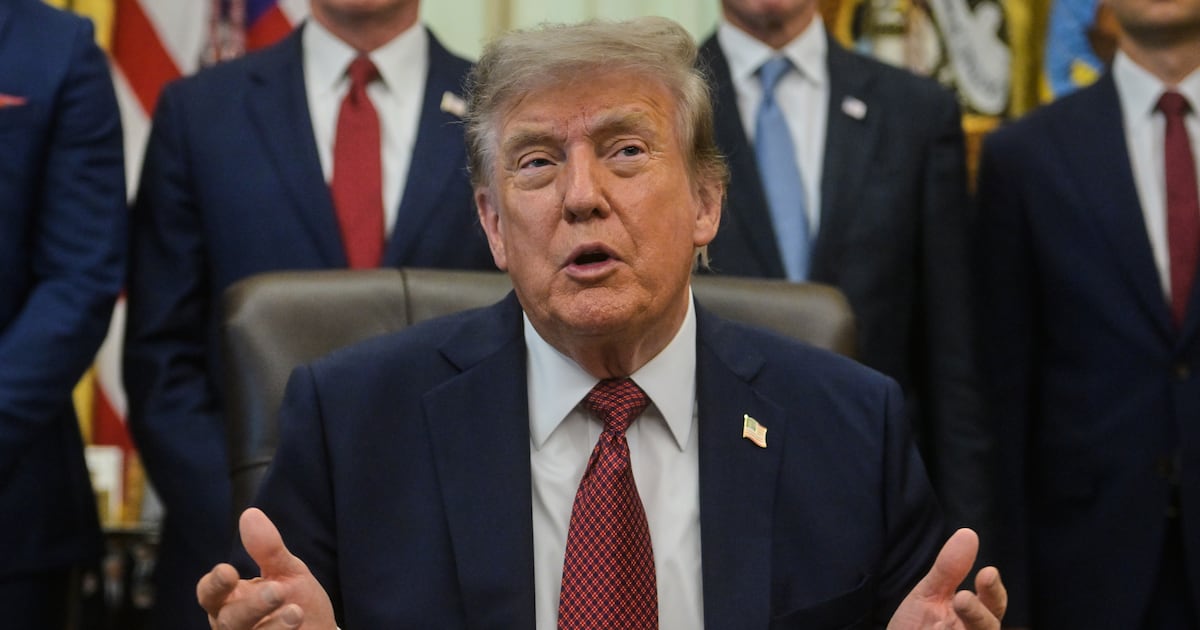
A political adviser from Tehran has indicated that Iran will not seek an agreement with United States President Donald Trump, opting instead to prolong the situation until the end of his term. This statement suggests a strategy of enduring Trump's presidency rather than engaging in negotiations.
The adviser, Majid Skakeri, who serves as an aide to Tehran's Parliament Speaker Mohammad Bagher Ghalibaf, articulated that the path to Iran's objectives involves "managing the process of neither war nor peace, up to the point of victory." He characterized public confirmation of negotiations with the U.S. as unwise, advocating instead for "denial, ambiguity and strategic patience." These remarks, while not representing an official state strategy, are seen as reflective of a prominent nationalistic viewpoint within Iran's political establishment.
This approach implies a potential stalemate concerning the Strait of Hormuz until January 2029. Despite this, current reports suggest that Iranian officials are continuing to pursue diplomatic contacts under specific conditions. Majed al-Ansari, a spokesperson for Qatar's Ministry of Foreign Affairs, noted that negotiations between Oman and Iran regarding the future of shipping in the Strait of Hormuz have progressed significantly. The exclusion of the U.S. from these discussions may be a consequence of President Trump's rhetoric and actions.
What Happened
President Trump has asserted that a U.S. Navy blockade is hindering Iran's oil sales, thereby impacting its economy, which he described as being on the verge of collapse. He also claimed U.S. control over the Strait of Hormuz and echoed Iran's demands for compensation related to the conflict.
Key Facts
- A Tehran political adviser, Majid Skakeri, stated Iran will not do a deal with US President Donald Trump and will wait for his term to end.
- Skakeri is an adviser to Tehran's Parliament Speaker Mohammad Bagher Ghalibaf.
- The stated policy involves "managing the process of neither war nor peace, up to the point of victory" through "denial, ambiguity and strategic patience."
- This policy implies a stalemate for the Strait of Hormuz until January 2029.
- Negotiations between Oman and Iran on the future of shipping in the Strait of Hormuz have reached an advanced stage, according to Qatar's Foreign Ministry spokesman Majed al-Ansari.
- President Trump stated the U.S. Navy's blockade is preventing Iran from selling oil and claimed Iran's economy is suffering.
- Trump also stated the U.S. controls the Strait of Hormuz and mirrored Tehran's demands for compensation.
Sources reviewed
Project Chintan independently synthesized and analyzed information cross-checked across the sources listed above.