
Indian Communities Build Safer Crossings for Students Facing Hazardous Journeys
Children in several Indian communities are undertaking dangerous river crossings to access education. Local residents and NGOs have taken proactive steps to build temporary bridges and safer pathways to mitigate these risks.
Key takeaways
- Students in several Indian regions face hazardous daily journeys to school, often involving crossing rivers and streams without proper infrastructure.
- Communities have taken initiative to construct temporary bridges and safer routes, such as concrete pillars and bamboo structures, to mitigate risks.
- In Odisha, residents built a 100-meter temporary bridge over the Nagabali River to overcome monsoon-related isolation.
- An NGO and a teenager built a bamboo bridge in Mumbai to prevent children from crossing a sewage canal.

In various parts of India, students navigate perilous routes, including rivers and flooded streams, to attend school due to a lack of basic infrastructure. In response, communities and individuals are constructing safer passage to ensure access to education.
What Happened
In Vidisha, Madhya Pradesh, nine students use concrete pillars to cross the Betwa River daily to reach a secondary school located 13 km away, shortening their commute to 1.5 km. Residents in Palghar, Maharashtra, have children holding hands to cross the Rakhadi River on a dam in the absence of a bridge. Villagers in Rayagada, Odisha, constructed a 100-meter temporary bridge over the Nagabali River after the monsoon season historically isolated their communities. In Mumbai, a 100-foot bamboo bridge was built in eight days by a 17-year-old and his NGO, providing an alternative to wading through a sewage-filled canal.
Key Facts
- Nine students in Vidisha, Madhya Pradesh, cross concrete pillars over the Betwa River to reach a secondary school 13 km away, reducing their journey to 1.5 km.
- Children in Palghar, Maharashtra, hold hands to cross the Rakhadi River on a dam due to the absence of a bridge.
- Residents in Rayagada, Odisha, built a 100-meter temporary bridge over the Nagabali River.
- A 100-foot bamboo bridge was built in eight days by a 17-year-old and his NGO in Mumbai, allowing children to avoid a sewage-filled canal.
- Between 2015 and 2016, IAS officer Shahid Iqbal Choudhary built 142 footbridges in Udhampur, improving access to education and services for approximately 10,000 people and six schools.
Background
The report highlights the daily risks millions of children face to reach educational institutions across India, emphasizing the absence of essential infrastructure like bridges and reliable transportation in many rural and remote areas.
Why It Matters
The initiative by these communities demonstrates a commitment to ensuring educational access for children despite significant infrastructural challenges. The efforts aim to prevent accidents and provide consistent access to schools and other essential services like hospitals.
Sources reviewed
Project Chintan independently synthesized and analyzed information cross-checked across the sources listed above.
Related stories

MPs Press Union Minister for Tirupati-Tiruvannamalai Highway Upgrade

Man Carried 10km on Bamboo Stretcher Through Forest to Reach Hospital
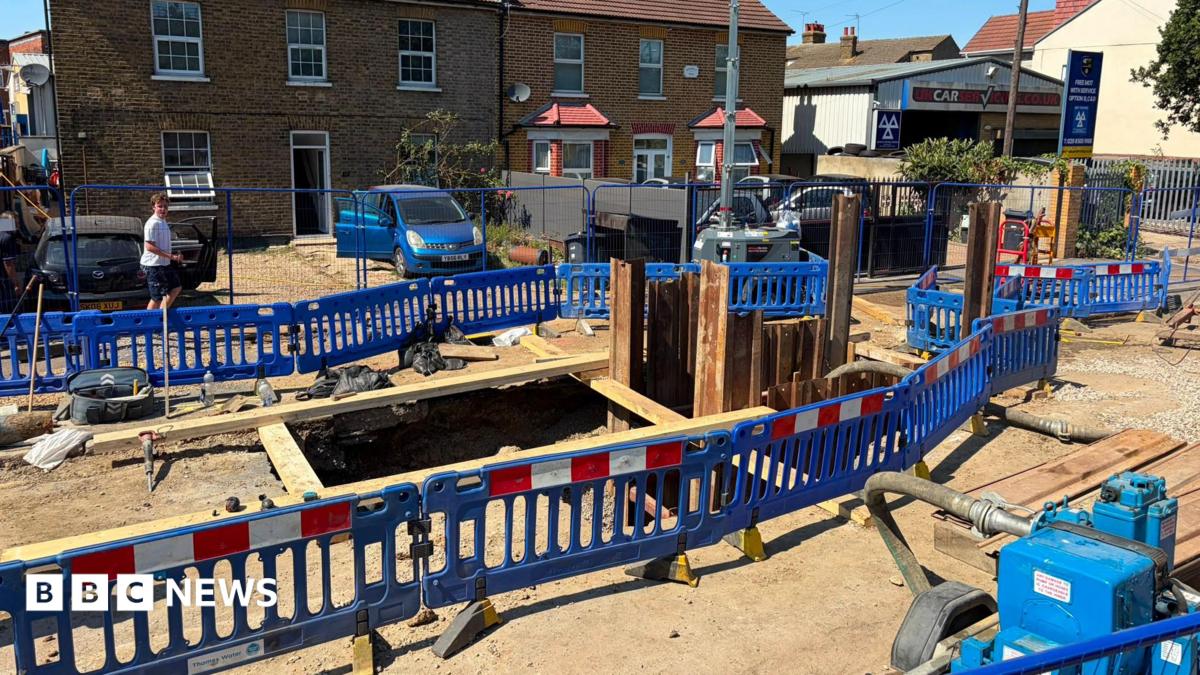
Water Supply Restored to Thousands After Complex Pipe Repairs in East London
