
India weigh-ins on E20 fueling: engine health, costs and food-versus-fuel
Analyzing concerns about E20 ethanol blending, the piece argues engine wear is not supported by evidence, notes an exception for older carburetted two-wheelers, and highlights policy trade-offs between crude-oil costs and edible-oil imports.
Key takeaways
- Lab and national testing show no increased engine wear for blends up to E20 in cars not rated for it.
- Energy content loss from E20 is around 6-7%, far less than many public claims suggest.
- An identified exception exists for 75-80 million older carburetted two-wheelers that may run hot on E20 without retrofit.
- Retrofitting seals for ethanol compatibility is ongoing but slow, suggesting a patient, staged approach to blending policy.
- Policy choice hinges on balancing crude-oil import costs against edible oil imports, with significant national food-self-sufficiency considerations.
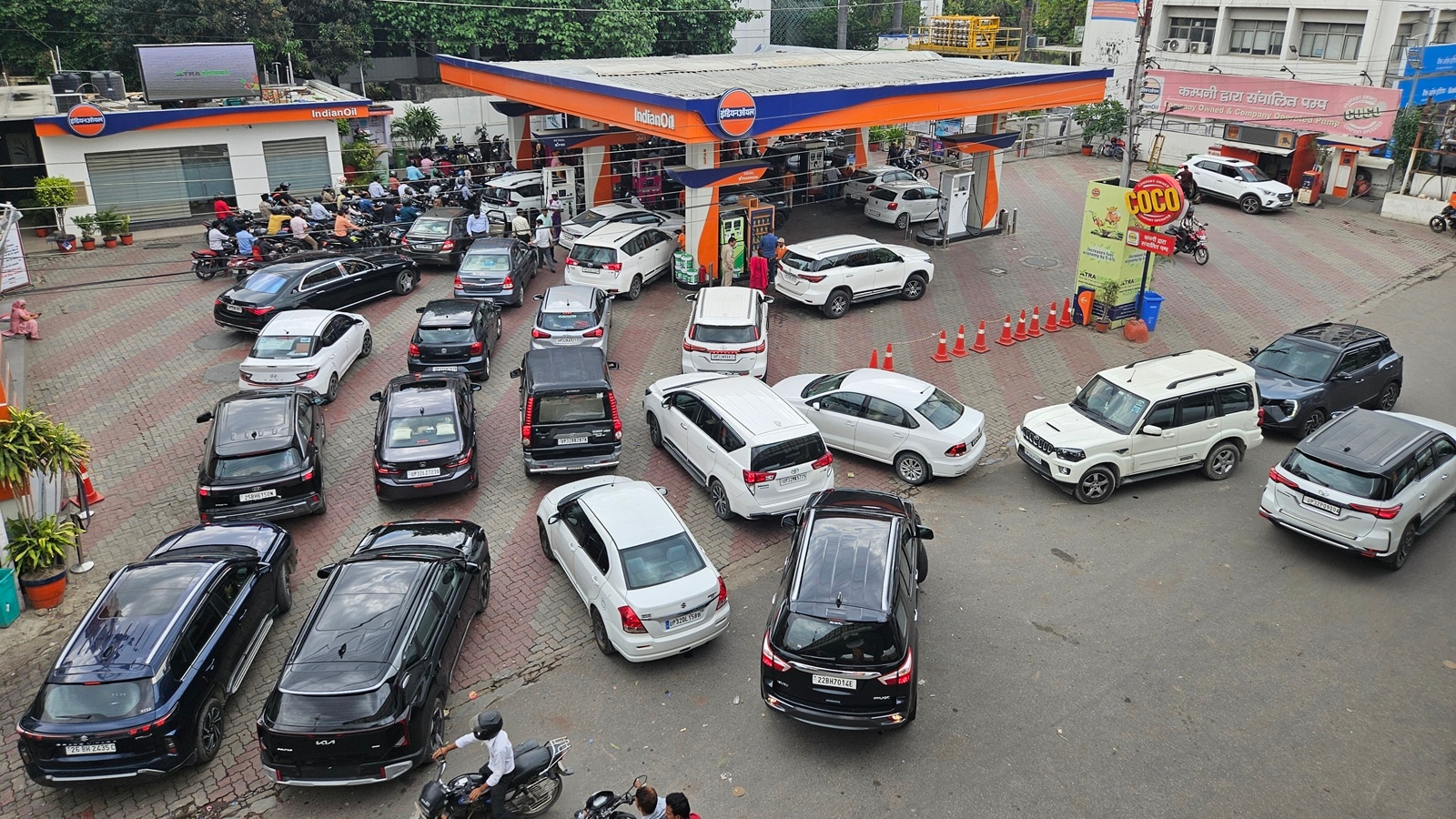
What Happened
A public complaint alleges that E20 ethanol blending damages engines and reduces fuel economy. The article assesses the claim by referring to laboratory testing and government assessments, and outlines where issues may arise, particularly in older carburetted two-wheelers. It also frames the broader question of how far ethanol blending should go, given its impact on import bills and food crops.
Why It Matters
The discussion centers on energy policy choices with fiscal and environmental implications. Blending ethanol affects the energy content of fuel, vehicle compatibility, and the balance between reducing crude-oil imports and increasing demand for food crops. The analysis compares potential reductions in the crude oil bill to the edible oil bill and highlights the role of feedstock in shaping trade-offs.
Background
Key Facts
- Public concerns claim E20 petrol harms engines and reduces tank range.
- Ethyl alcohol blends carry about two-thirds the energy of petrol; energy penalty for E20 is about 6-7% rather than 30%.
- Emissions metrics show reductions in carbon monoxide and unburnt hydrocarbons with ethanol blends.
- Oak Ridge National Laboratory tested 86 vehicles over nearly 10 million kilometres on blends up to E20 and found no increased wear in cars not rated for E20.
- India’s testing by ARAI, the petroleum institute, and Indian Oil reached the same conclusion on durability.
- Older carburetted two-wheelers (roughly 75-80 million) cannot sense the extra oxygen in the blend and may run hot on E20 unless retrofitted with ethanol-compatible seals.
- Retrofitting seals is feasible but slow, covering millions of vehicles over years; the original roadmap anticipated a lower-blend fuel for these vehicles, which has since disappeared from pumps.
- Restoring a lower blend at pumps (e.g., E10) alongside E20 could ease public concern, lower total ethanol use, and protect the existing fleet while retrofits catch up.
- Policy question: moving from E20 to E27 or E30 involves trade-offs between fuel supply constraints and food-crop competition.
- Crude oil import bill is around Rs 11-12 lakh crore annually; edible oil bill is about Rs 1.6-1.75 lakh crore; ethanol at E20 could trim the crude bill by 3-4%.
- India aims to raise cooking-oil self-sufficiency from 40% to 72% by 2030-31; maize supplies roughly half of ethanol with grains making up about 67% of total feedstock.
What Happens Next
The text advocates revisiting the fuel mix policy by considering a temporary reintroduction of a lower ethanol blend and ensuring compatible retrofits for older vehicles, while weighing the broader food-vs-fuel trade-offs as blending levels potentially advance beyond E20. The discussion highlights the need for a cost-benefit approach before further expansion of ethanol use.
Sources reviewed
Project Chintan independently synthesized and analyzed information cross-checked across the sources listed above.
Related stories

Karnataka forest killing echoes 2015 Tamil Nadu woodcutters’ mass deaths

Groundwater in Uttar Pradesh glows yellow-green from chromium waste

Pawan Kalyan alerts on elephant movement in Chandragiri, orders safety measures
