
India rejects Hague arbitration ruling on Indus Treaty, says no jurisdiction
New Delhi rejects the Hague-based Court of Arbitration ruling on the Indus Waters Treaty, insisting the court has no jurisdiction. The MEA reiterates that India will continue to observe its abeyance of the treaty, a stance tied to security concerns and past government decisions.
Key takeaways
- India maintains the Indus Waters Treaty is in abeyance and rejects the CoA ruling as having no legal effect.
- The Court of Arbitration said the abeyance was not permissible, but India rejects its jurisdiction and has not recognised the court's authority.
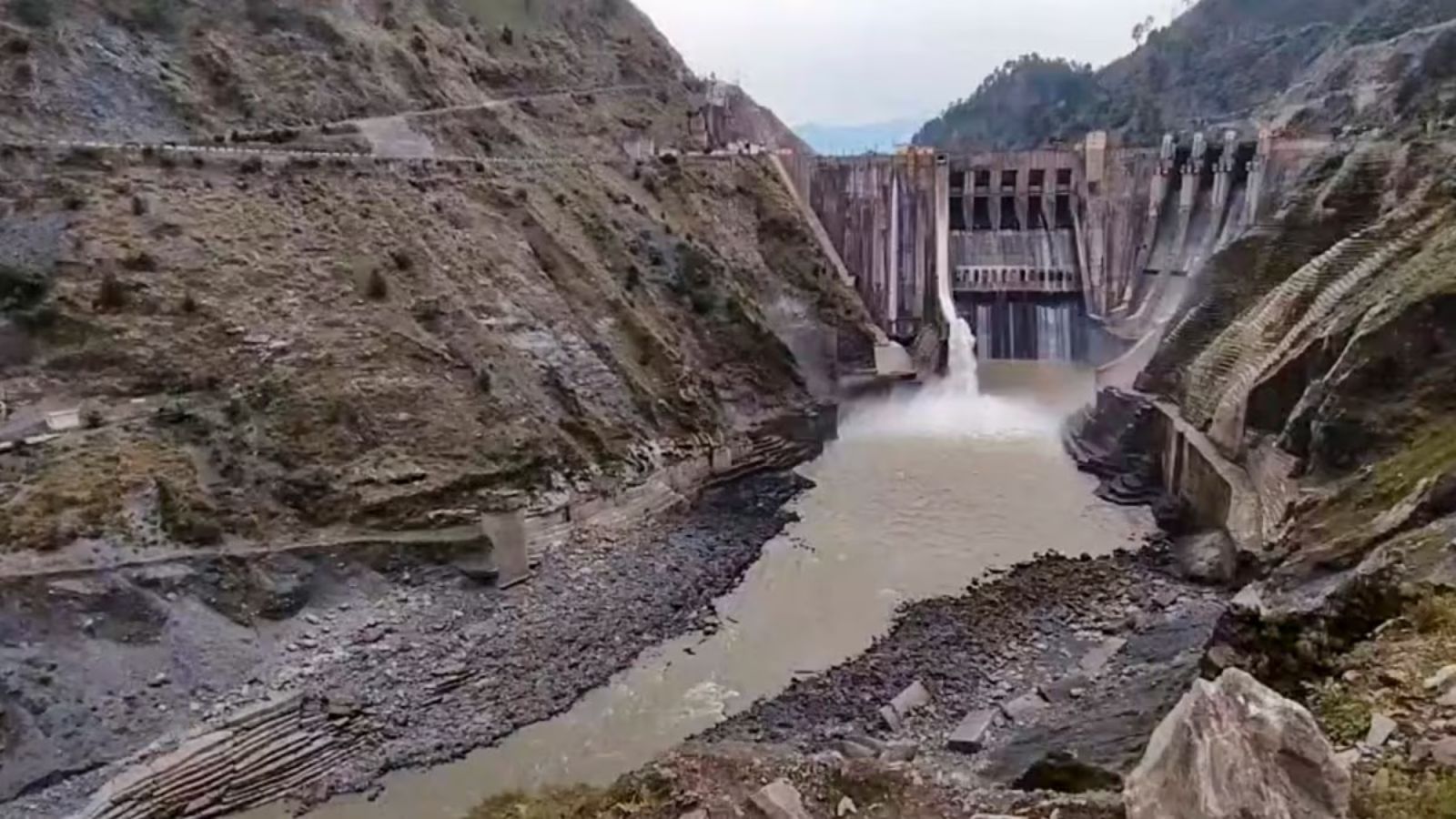
- The Permanent Court of Arbitration previously ruled the treaty remains in force and noted measures related to the Ratle hydro-electric project pending a neutral expert decision.
What Happened
The Indian government, via the Ministry of External Affairs (MEA), rejected a Court of Arbitration decision tied to the Indus Waters Treaty. The MEA said the court is an illegally constituted body and has no jurisdiction to rule on India’s sovereign decisions. The arbitration panel, established by the World Bank, had concluded that India’s move to hold the treaty in abeyance was not permissible under the treaty or applicable international law, and stated that the Indus Waters Treaty remains fully in force and India must observe its obligations, including for design and operation of hydro-electric projects on the Western Rivers.
In a parallel public statement, the Permanent Court of Arbitration in The Hague had previously ruled that the treaty remains fully in force and issued an order concerning the Ratle hydro-electric project (RHEP), including measures restricting certain construction activity until a neutral expert’s final decision, expected in July 2027. The MEA’s response on August 31, 2026, reiterated that the CoA’s proceedings were illegal and void and that its pronouncements would have no effect on India’s actions regarding ongoing projects.
Why It Matters
The disagreement centers on whether an international arbitral body established for the Indus Waters dispute can compel or constrain India’s sovereign choices. India’s stance, if sustained, keeps the treaty in a suspended state domestically and undermines the CoA’s authority as seen by the MEA. The dispute also intersects security concerns cited by New Delhi, which tied the abeyance of the treaty to Pakistan's alleged support for cross-border terrorism, a narrative linked to the CCS decision from April 2025. The clash also involves a parallel ruling by the Hague-based PCA on the treaty’s status and the Ratle project, which could affect water-sharing obligations and hydro-electric development timelines.
Background
The Indus Waters Treaty, signed in 1960, governs water sharing between India and Pakistan. In April 2025, India decided to hold the treaty in abeyance following the Pahalgam terrorist attack, a decision anchored in a Cabinet Committee on Security (CCS) directive dated 23 April 2025. India has consistently maintained that the Court of Arbitration was illegally constituted and has never recognised its legal existence or jurisdiction. The Court of Arbitration’s proceedings, according to India, were conducted in breach of the treaty’s terms, and the MEA has said it will not acknowledge any cognisance of the CoA’s pronouncements.
Multiple sources report that the PCA’s August 2026 award stated the treaty remains in force and outlined restrictions on construction work at the Ratle project pending a neutral expert’s assessment, with the expected final decision from the neutral expert anticipated around July 2027. The statements from Indian authorities stress that the CoA has no jurisdiction over India’s sovereign decisions and that its pronouncements hold no legal effect on Indian actions regarding ongoing hydroelectric projects.
Key Facts
- The Indus Waters Treaty was signed in 1960 and governs water sharing between India and Pakistan.
- The Court of Arbitration, established by the World Bank, ruled that India’s abeyance of the treaty was not permissible and asserted the treaty remains in force for India to observe its obligations.
- The MEA described the CoA as illegally constituted and stated it has never recognised its legal existence or jurisdiction.
- The Permanent Court of Arbitration ruled the treaty remains fully in force and called for India to observe its obligations, including hydro-electric project design and operation on the Western Rivers.
- Pakistan’s case before the CoA included a consideration of measures related to the Ratle hydro-electric project, with a prohibition on certain construction activities until a neutral expert’s final decision, expected in July 2027.
- India placed the treaty in abeyance after the April 22, 2025 Pahalgam attack, a decision tied to the CCS directive of April 23, 2025.
- India’s August 31, 2026 statement reiterates that the abeyance remains in force and that CoA pronouncements will not affect India’s actions.
What Happens Next
There is no published, universally agreed next step in the affidavits or public statements from the MEA beyond reaffirming the abeyance and rejecting the CoA’s jurisdiction. The PCA’s interim measures regarding the Ratle project suggest ongoing monitoring and potential influence on construction timelines, pending the neutral expert’s final decision expected in July 2027. India’s persistence with the abeyance stance indicates a continued divergence from international arbitration conclusions and from Pakistan’s preference for enforcement and compliance under the CoA framework.
Sources reviewed
Project Chintan independently synthesized and analyzed information cross-checked across the sources listed above.
Related stories
Patnaik calls for reversal of MMDR amendment, calls it black day for Odisha

Goa circular on 500m drug-free zones faces Opposition critique

N-Gen post offices to offer easy digital services, says Joshi