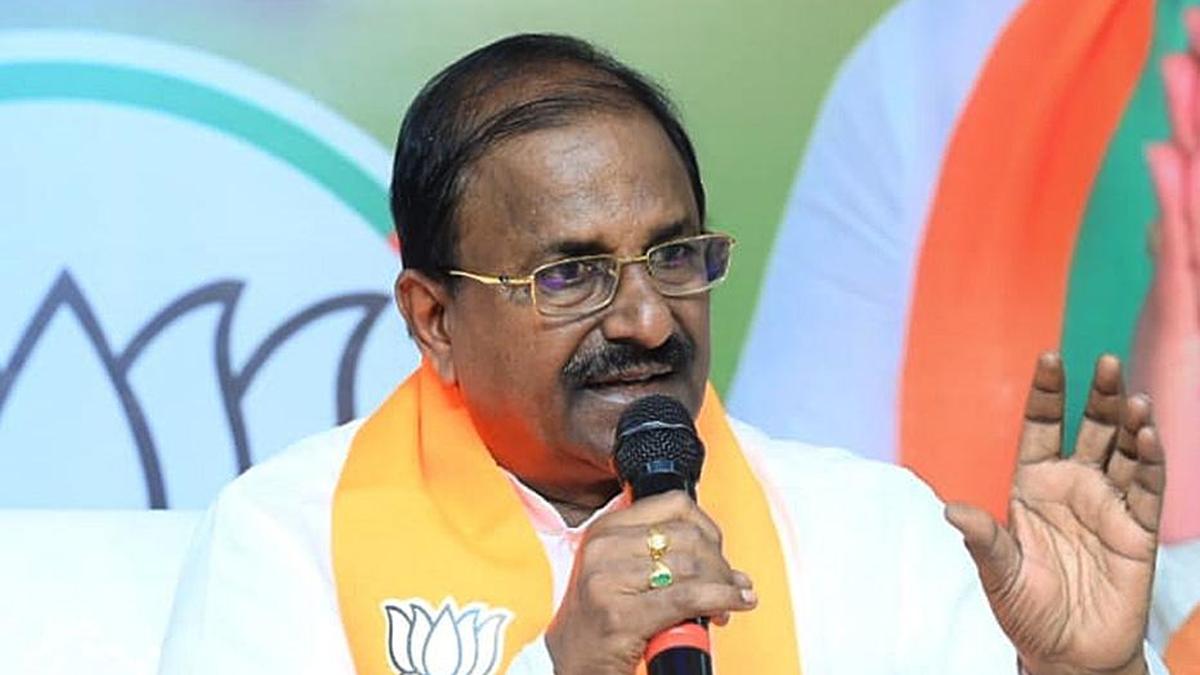
BJP spokesperson urges Modi to curb river pollution with mandatory wastewater treatment
A BJP Mysuru spokesperson urged Prime Minister Modi to require sewage and industrial effluents to be treated before discharge into rivers, citing the Kabini as a case study and proposing a pilot project and nationwide replication.
Key takeaways
- A BJP spokesman urged Prime Minister Modi to require treatment of all sewage and industrial effluents before river discharge.
- The Kabini river case is used to illustrate potential downstream impacts on drinking water and ecosystems.
- The proposal includes monitoring, penalties, and a pilot project on the Kabini with plans to expand if successful.
What Happened
The BJP’s Mysuru spokesperson, M.A. Mohan, wrote to Prime Minister Narendra Modi urging a nationwide mandate that sewage and industrial effluents be treated before entering rivers. The letter, which has been shared with The Hindu, highlights widespread river pollution caused by untreated municipal sewage and industrial effluent from resorts and other establishments. Mohan pointed to the Kabini river in Karnataka as an example, noting drought conditions with the Kabini reservoir at a record low and visible pollution on the riverbed. He cited untreated wastewater from Saragur town (population about 50,000) and effluent from nearby resorts and commercial sites along the Kabini as being discharged without adequate treatment. The Kabini supplies drinking water to Mysuru, flows downstream to T. Narasipur, joins the Kaveri at Sangama, then moves into Tamil Nadu before reaching the sea. The river basin traverses the ecologically sensitive Heggadadevanakote region, which contains multiple dams and dense forests and tribal habitats. Mohan urged the Union government to require every urban local body, industry, resort and commercial establishment near rivers to employ Sewage Treatment Plants or Effluent Treatment Plants before discharge, to ensure strict monitoring, periodic inspections, and penalties for violations. He also called for a pilot project on the Kabini to demonstrate a comprehensive river pollution prevention model that could be replicated across major river basins.
Why It Matters
The letter frames river pollution as a threat to drinking water, biodiversity and environmental health, with implications for downstream communities that rely on rivers for water supply and agriculture. Mohan argues that even with modern wastewater technologies, untreated discharges persist, affecting ecosystems and potentially public health. The Kabini example is used to illustrate the scale and potential downstream impact of pollution when treatment is inadequate. The proposed policy could set a precedent for stricter wastewater management and monitoring nationwide, especially in ecologically sensitive river basins.
Background
The communication references widespread pollution from untreated sewage in towns and untreated effluents from industries and resorts. It cites the Kabini river in Karnataka, the associated drought and low reservoir levels, and the river’s role as a drinking-water source for Mysuru. The letter notes Saragur town’s population and nearby commercial establishments along the river as sources of untreated wastewater. The Kabini’s path through the Heggadadevanakote region, an area described as ecologically significant with multiple dams, is mentioned to emphasize conservation needs.
Key Facts
- The BJP Mysuru spokesperson is M.A. Mohan.
- He wrote to Prime Minister Narendra Modi urging a countrywide mandate for treating wastewater before river discharge.
- The letter was shared with The Hindu.
- The Kabini river is cited as an example of pollution linked to untreated sewage and effluents.
- Kabini reservoir water levels reportedly fell to a record low during a drought.
- Saragur town has a population of about 50,000 and reportedly discharges wastewater into the Kabini.
- Untreated wastewater from resorts and other commercial establishments along the Kabini is mentioned as a contributor.
- The Kabini provides drinking water to Mysuru and flows downstream to T. Narasipur, joining the Kaveri at Sangama before reaching Tamil Nadu and the sea.
- The Kabini passes through Heggadadevanakote, an ecologically sensitive district with four major dams.
- Mohan proposes mandatory use of Sewage Treatment Plants or Effluent Treatment Plants before any river discharge, along with monitoring, inspections, penalties, and a pilot project on Kabini.
What Happens Next
The letter proposes a pilot project on the Kabini to demonstrate a comprehensive river pollution prevention model, including operational STPs for towns and establishments along the river, with a view to replicating the model in other major river basins if successful. It advocates strict monitoring and penalties for violations and calls on the Union government to consider making wastewater treatment mandatory nationwide.
Sources reviewed
Project Chintan independently synthesized and analyzed information cross-checked across the sources listed above.
Related stories
Patnaik calls for reversal of MMDR amendment, calls it black day for Odisha
Goa circular on 500m drug-free zones faces Opposition critique

N-Gen post offices to offer easy digital services, says Joshi