
India to decide Hasina extradition as talks seek course change
New Delhi confirms the extradition question courts will decide, while talks with Dhaka aim to move away from a maximalist stance. Hasina has signaled a possible December return, tying diplomacy to the legal process.
Key takeaways
- Extradition: Indian courts will decide whether Hasina is extradited, not a political decision.
- Diplomatic discussions are ongoing to shift Dhaka away from a maximalist extradition stance.
- Hasina has suggested she may return to Bangladesh in December, linking timing to her potential return.
What Happened
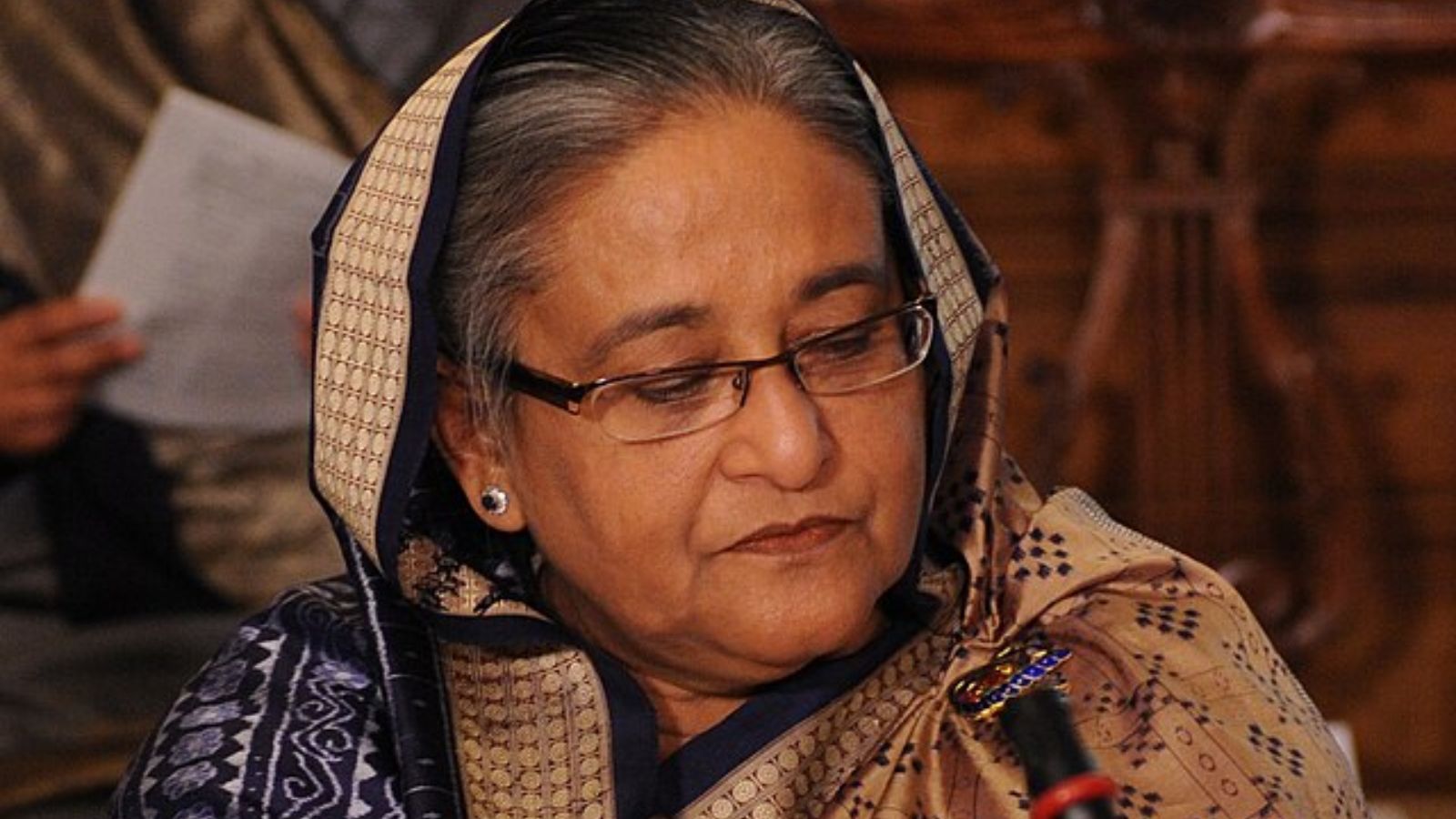
Indian government officials said that any extradition request involving Bangladesh’s former prime minister Sheikh Hasina must be adjudicated by India’s judiciary and not decided politically or diplomatically. They noted discussions with Dhaka are underway to move away from the strongest extradition position. Hasina had indicated she plans to return to Bangladesh in December, linking the timing to December as a reference point for her possible return. In Dhaka, Hasina faces a death sentence from a Bangladeshi tribunal, and her party, the Awami League, has been banned. The Bangladesh government’s extradition request to India is accompanied by the required legal documents under the 2013 extradition pact between the two countries. The matter is embedded in broader diplomatic exchanges between Delhi and Dhaka.
Hasina has, for about two years, been residing in an undisclosed location in New Delhi after an August 2024 mass uprising in Dhaka. On August 5, she held a virtual press conference and said she was determined to return home. The request for extradition is rooted in the International Crimes Tribunal’s November 2025 verdict, which convicted her for crimes against humanity; Dhaka insists the ruling supports the case for extradition. The ICT verdict was delivered while an interim government led by Muhammad Yunus was in power in Bangladesh.
India’s 2013 extradition pact with Bangladesh lays out rules for returning individuals charged with or found guilty of offences and notes that matters involving extraditable offences should be handled by the judicial authority of the other contracting state. Article 6 of the treaty indicates that political offences are excluded from the extradition framework.
Why It Matters
The case tests how India will balance its legal framework with ongoing diplomatic efforts. Officials indicate the final decision on extradition rests with Indian courts, suggesting a potential slowdown or alteration of Dhaka’s maximalist position through legal and diplomatic channels. A decision in India’s courts could shape how hasina’s legal fate intersects with the broader bilateral relationship, especially given the Bangladeshi government’s push and Hasina’s stated December return window.
Background
The 2013 extradition pact between India and Bangladesh governs transfers of individuals accused or convicted of offences. The Bangladeshi government has argued the ICT verdict supports extradition, though it acknowledges the court process in India will determine applicability under Indian law. Hasina’s location in New Delhi since 2024 follows a mass uprising in Dhaka and related diplomatic exchanges between the two nations. The ICT verdict was delivered in November 2025 during Bangladesh’s interim government.
Key Facts
- Extradition requests must be decided by Indian courts, not by diplomacy alone.
- Hasina has signaled a December return to Bangladesh.
- Hasina faces a death sentence in Bangladesh; Awami League is banned.
- The Bangladeshi extradition request includes legal documents under the 2013 extradition pact.
- Hasina has been in an undisclosed location in New Delhi since August 2024.
- Hasina announced on August 5 she was determined to return home in December.
- The Bangladesh government cites the November 2025 ICT verdict convicting Hasina of crimes against humanity as the basis for extradition.
- The ICT ruling occurred during an interim Bangladeshi government led by Muhammad Yunus.
- The 2013 treaty states extraditable offences should be handled by the judicial authority of the other state; political offences are excluded (Article 6).
What Happens Next
The next steps involve the Indian judiciary weighing the extradition request against Indian law, with further diplomatic discussions continuing to influence the course of action. A formal court process would determine whether the crimes alleged in Bangladesh align with offences punishable under Indian law, and how the 2013 extradition treaty provisions apply in this case.
Sources reviewed
Project Chintan independently synthesized and analyzed information cross-checked across the sources listed above.
Related stories
Devadula Phase-VI to be completed by Dec 2028, says Uttam Kumar Reddy

Ballari marks 80th Independence Day with tribute and development drive

Naidu and Chief Justice Gill attend At Home hosted by Governor Abdul Nazeer in Vijayawada
