
India steps up aid to Nepal, considers Bailey bridges for flood relief
New Delhi has stepped up emergency aid to Nepal after devastating flash floods. India is sending more relief by air and evaluating Bailey bridges to aid rescue operations, as Kathmandu reports hundreds of fatalities and thousands displaced.
Key takeaways
- India has delivered 47.5 tonnes of emergency relief to Nepal via two military aircraft and plans additional aid.
- Bailey bridges are being considered to replace swept-away crossings and support ongoing rescue work.
- The Nepal death toll from the floods reached 359, with hundreds more missing and over 1,000 rescued or moved to safety.
What Happened
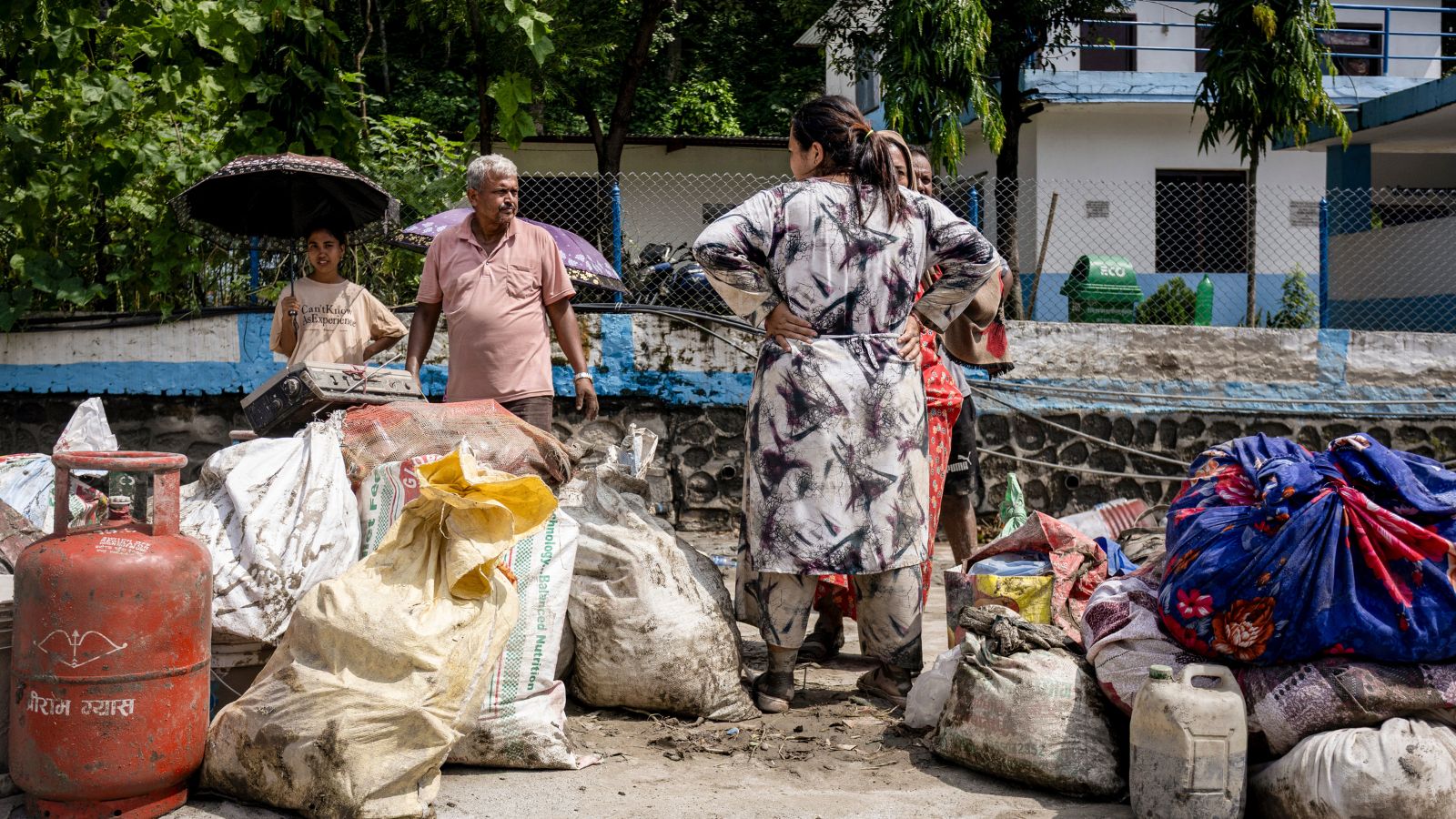
India announced continued emergency assistance to Nepal following a severe flash flood in multiple northern districts. By Aug 27, 2026, New Delhi had dispatched a total of 47.5 tonnes of relief supplies using two military transport aircraft and indicated it would send additional materials. Authorities said India is also exploring the deployment of Bailey bridges to support rescue and relief work after bridges were swept away by the floods. In Kathmandu, authorities reported a rising death toll and ongoing search and rescue efforts by the Nepal Army and security personnel. Officials said at least 359 people had died as of Thursday evening, with hundreds still unaccounted for and more than 1,000 moved to safety, including a large share from the Rasuwa district.
Indian External Affairs Minister S. Jaishankar spoke after a high-level meeting with senior officials and Indian envoys in Kathmandu and Beijing, describing India’s relief efforts as urgent and focused on locating and assisting Indians affected by the disaster. The External Affairs Ministry also noted that 288 Indian nationals remained uncontactable, with specific groups identified among those missing or stranded, including personnel working on hydropower projects and pilgrims returning from Kailash Mansarovar, as well as groups traveling via travel agencies to the region.
Beyond the immediate relief, authorities warned of potential secondary hazards linked to downstream water developments. The flood forecasting division, citing Chinese officials, warned of the formation of a significant barrier lake near the confluence of two rivers on the Tibetan side, with an estimated current volume of about 2 million cubic metres and an expectation of a further 3 million cubic metres entering the lake over the next three days. Residents along the Trishuli river were urged to exercise caution as authorities monitor the evolving situation.
Why It Matters
The aid announcement underscores ongoing cross-border cooperation in disaster response between India and Nepal, particularly as Nepal grapples with a high fatality toll and extensive displacement. The consideration of Bailey bridges points to a practical, rapid engineering solution to restore connectivity and enable continued rescue operations in flood-affected areas. The situation also illustrates how regional crisis coordination extends beyond immediate relief to address infrastructure loss and safety threats that could influence recovery timelines.
Background
The flash floods struck multiple districts in Nepal’s north, triggering large-scale evacuations and prompting a multinational response. Nepal’s authorities have been coordinating with security forces to conduct search and rescue missions while monitoring downstream flood risks linked to river systems near the Nepal-Tibet border. The Indian government has previously provided aid to Nepal in disaster scenarios and continues to engage with Kathmandu and Beijing to assess the status of Indian nationals and determine further assistance needs.
Key Facts
- Death toll from the flash floods in Nepal as of Aug 27, 2026: 359.
- India has sent 47.5 tonnes of emergency relief to Nepal in two military transport aircraft since the disaster began.
- India is in the process of sending more relief material to Nepal.
- India is considering deploying Bailey bridges to aid rescue and relief operations after bridges were swept away.
- Missing Indian nationals total 288, with groups including workers on a hydropower project and pilgrims from various states; several specific groups and regions were named.
- A barrier lake potential has been warned near the confluence of rivers on the Tibetan side, with an estimated 2 million cubic metres of water currently and an expected inflow of about 3 million cubic metres over the next three days.
What Happens Next
Authorities are likely to continue air-dropped or air-delivered relief and assess the feasibility and timing of deploying Bailey bridges to restore crossings. The situation remains dynamic with ongoing search and rescue operations and monitoring of flood-related hazards on both sides of the border.
Sources reviewed
Project Chintan independently synthesized and analyzed information cross-checked across the sources listed above.