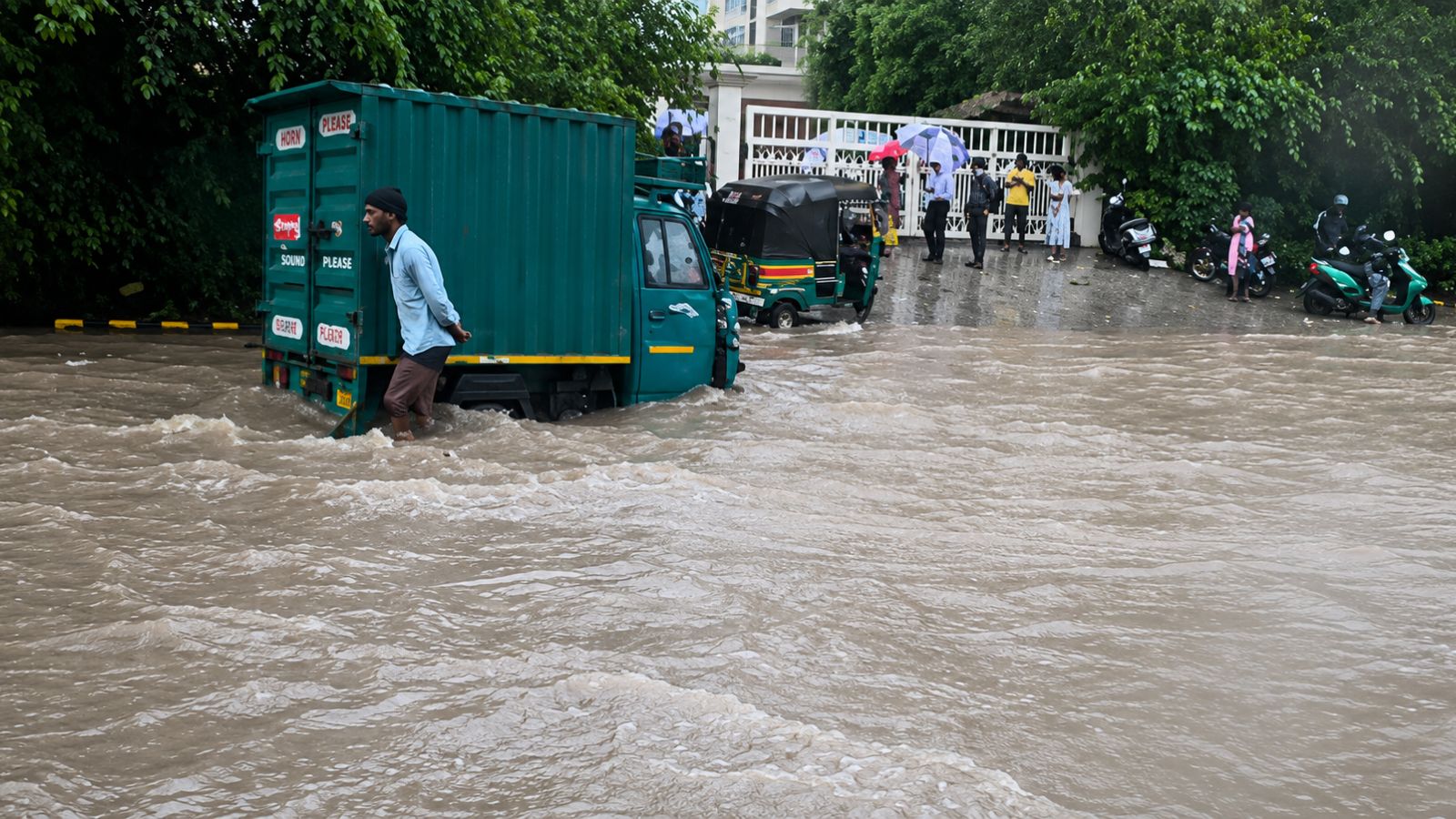
IMD: September rainfall likely below normal after August deficit
IMD projects below-normal rainfall for September following August’s 16% shortfall. El Niño conditions and record heat in August underpin the forecast, with regional variations expected across India.
Key takeaways
- August 2026 showed a 16% shortfall in rainfall relative to normal.
- September 2026 is expected to be below normal, with rainfall under 91% of the long-period average.
- El Niño conditions are strengthening and linked to the anticipated rainfall deficit.
- Odisha reported a rainfall surplus, while many other regions faced deficits.

What Happened
Multiple Indian sources report that the India Meteorological Department (IMD) assessed August 2026 as having a rainfall deficit of about 16% relative to normal. The IMD also forecast that September rainfall across the country would be below normal, with all-India rainfall expected to be less than 91% of the long-period average (LPA). The month of August was noted as the hottest since 1901, and El Niño conditions were cited as a contributing factor to the deficit. The forecast indicates persistent below-normal rainfall for most parts of the country in September, though some regions may still receive normal or above-normal rainfall.
News reports highlight that four low-pressure systems in August mostly affected the Indo-Gangetic Plains, with other regions experiencing substantial deficits. Odisha was reported to have a rainfall surplus so far this season, while the north of the country faced risk of heavy rain in the short term as monsoon activity shifted west-northwestward. An established pattern linked to El Niño conditions remains central to the precipitation outlook for September.
Why It Matters
The forecast of below-normal September rainfall raises concerns for agriculture, soil moisture, and reservoir levels as the monsoon season nears its end. With August marked by record-high temperatures, the combination of heat and reduced rainfall could stress crops during key kharif stages and influence preparation for winter crops. Analysts point to the potential for continued heat stress and heightened water demand if dry spells persist into the autumn months.
El Niño’s strengthening signal is repeatedly identified as a factor behind weaker monsoon activity, which has implications beyond India’s borders for regional weather patterns and water security planning.
Background
Historical context from IMD communications notes that El Niño conditions have historically been associated with weaker monsoon rainfall in India. August 2026 set heat records, described as the hottest since 1901, and rainfall in August was deficient across most regions except Odisha, which reported a surplus. The IMD’s monthly forecast for September places most of the country below the normal rainfall benchmark, with some districts receiving below-average rainfall while a minority may fare better regionally. The seasonal rainfall total for June through September is thus expected to remain well below 90% of normal.
Key Facts
- August 2026 had an approximate 16% rainfall shortfall versus normal for the month.
- September 2026 is forecast to have all-India rainfall below normal, at less than 91% of the long-period average (LPA).
- Seasonal rainfall from June to August was about 84% of normal by the end of August.
- El Niño conditions in the equatorial Pacific are strengthening and are cited as a reason for below-normal rainfall, with expectations to intensify further.
- Four low-pressure systems in August persisted for 26 days, but rainfall activity was mainly limited to the Indo-Gangetic Plains.
- Odisha reported a rainfall surplus; other regions showed deficits, with northern India facing potential heavy rainfall through early September before abating.
What Happens Next
The IMD’s latest outlook suggests continued below-normal rainfall across most of India in September, with regional variation likely. Weather advisories may focus on protecting crop yields and managing water resources as the monsoon season concludes and El Niño influences persist. Agricultural planning for kharif and early rabi phases could be adjusted in response to the anticipated rainfall patterns.
Sources reviewed
Project Chintan independently synthesized and analyzed information cross-checked across the sources listed above.