
Google Arts and Culture Launches Digital Archive Honoring Argentina's Tango Heritage
A new digital collection preserves the history and technical artistry of tango through a partnership between Google and five major Argentinian cultural institutions. The project features over 50 stories detailing the lives of performers, musicians, and craftsmen.
Key takeaways
- Google Arts & Culture partnered with five major Argentinian institutions to document tango history.
- The collection features over 50 stories including legends Carlos Gardel and Julio De Caro.
- Content covers the entire tango ecosystem from bandoneon makers to historic Buenos Aires bars.
- The initiative celebrates the anniversary of tango's UNESCO Intangible Cultural Heritage status.
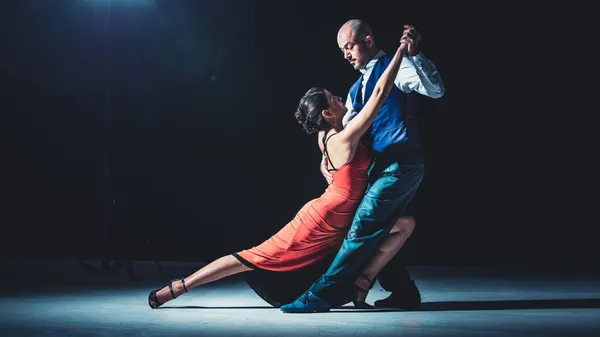
Digitizing a Cultural Ecosystem
Google Arts & Culture has unveiled a comprehensive digital repository dedicated to the history and evolution of Argentinian tango. Developed in coordination with 25 local partners across the country, this initiative follows the platform's previous work documenting Argentina’s culinary traditions. The new collection highlights tango's status as a UNESCO Intangible Cultural Heritage element, offering a deep dive into the music and movement that define Argentinian identity.
Institutional Collaboration
To build this archive, Google partnered with five cornerstone organizations: the National Secretariat of Culture of Argentina, the Ministry of Culture of the City of Buenos Aires, MALBA (Museo de Arte Latinoamericano de Buenos Aires), Tango & Tango, and Marca País Argentina. National Secretary of Culture Leonardo Cifelli noted that the project utilizes private sector technology to broadcast the nation's heritage as the anniversary of tango’s UNESCO recognition on September 30 approaches.
Beyond the Dance Floor
The collection moves past the performance itself to examine the broader ecosystem of the art form. It includes more than 50 narrative features focusing on legendary figures such as Carlos Gardel and Julio De Caro. However, the archive also sheds light on the specialized labor required to sustain the genre, profiling the artisans who handcraft bandoneons, tailored apparel, and the specific footwear used by professional dancers.
Key Facts
- The project involves partnerships with MALBA and the National Secretariat of Culture of Argentina.
- More than 50 distinct stories cover historical legends and contemporary practitioners.
- Tango was officially added to the UNESCO Intangible Cultural Heritage list in 2009.
- The archive explores the physical geography of tango, including historic bars and specific neighborhoods in Buenos Aires.
- Detailed profiles include orchestra players and the craftsmen who build traditional instruments.
Why It Matters
This digital transition ensures that the intricate traditions of tango are accessible to a global audience. By documenting the artisans and the localized history of Buenos Aires neighborhoods, the project preserves the technical knowledge and cultural context that might otherwise remain localized. It represents a significant effort to modernize cultural preservation through international technological cooperation.
Source: Google
Related stories

Rhythm and Resilience: Performers Champion the Survival of India’s Handloom Heritage

Kerala Weather Warning: Four Northern Districts Face Red Alert Amid Surge in Rainfall

Rajnath Singh Highlights Territorial Army as Core Component of National Resilience
