
CJI Surya Kant flags global money laundering scale and digital fraud
Chief Justice of India Surya Kant warned at an international crime symposium that money laundering at a global scale could fund laptops for every person on Earth. He also highlighted the rise of digital arrest scams and described India's legal response, including asset recovery and Mutual Legal Assi
Key takeaways
- Surya Kant highlighted that global money laundering, per estimates, could fund laptops for every person on Earth and still leave money over.
- The discussion included a warning about digital arrest scams and a call for creating a distinct offence with penalties aligned to harm.
- India’s approach combines civil recovery under the Insolvency and Bankruptcy Code with criminal proceedings and stronger international cooperation via MLATs.
What Happened
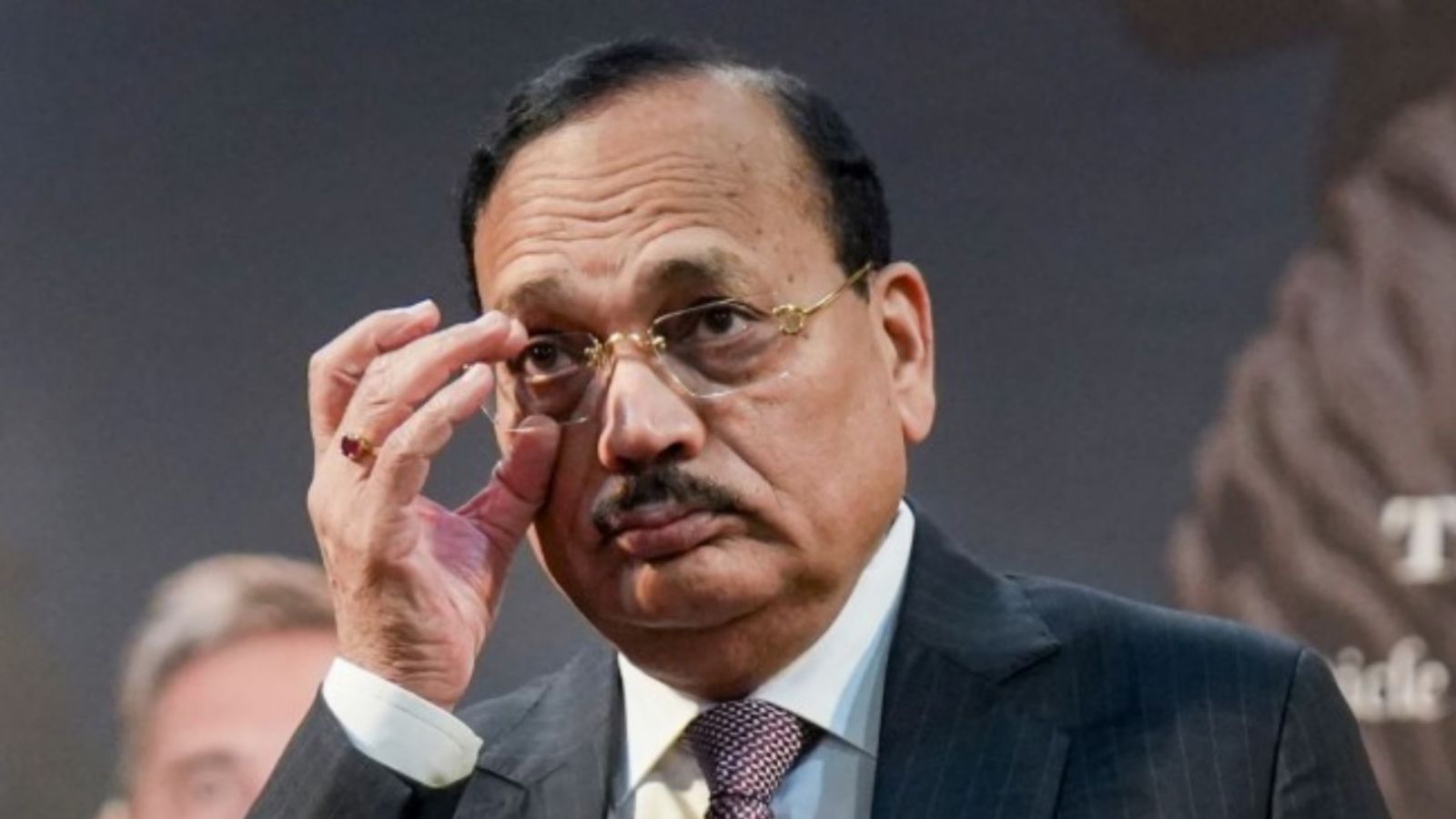
Chief Justice of India Surya Kant addressed the closing remarks at the 43rd International Symposium on Economic Crime in London. He drew attention to the global scale of money laundering and fraudulent schemes, noting that, under certain estimates, the total laundered wealth could fund a modest laptop for each of the world's eight billion inhabitants and still leave some money over. He also highlighted the emergence of ‘digital arrest’ scams, where fraudsters impersonate police or government officials via video calls to steal savings.
In discussing India's legal response, the Chief Justice pointed to the Insolvency and Bankruptcy Code, 2016, as a framework that operates alongside criminal proceedings and supports civil recovery where criminal trials are ongoing. He emphasized the role of Mutual Legal Assistance Treaties (MLATs) in bringing recovered assets home more reliably than extradition, asserting that illicit wealth tends to move across borders. He also noted that, in the practice of India’s enforcement, only a small fraction of laundered funds are recovered—about one unit in a hundred from a hypothetical Rs 100 laundered. Finally, he said the judiciary has directed the government to assess the digital arrest phenomenon and to establish a distinct offence with penalties proportionate to harm.
Why It Matters
The remarks frame money laundering as a globe-spanning issue with tangible implications for asset recovery and law enforcement effectiveness. By linking domestic legal tools with international cooperation, the Chief Justice presented a view of judicial action that pairs civil recovery with criminal process, aiming to curb illicit wealth flows and deter new schemes such as digital arrest. The discussion also signals a push to codify new offences to better address evolving frauds.
Background
The Chief Justice spoke at a London gathering focused on economic crime, referencing India’s Insolvency and Bankruptcy Code, 2016, and the use of MLATs as instruments for asset recovery. He framed India’s approach as layered, with statute, institutions, and judicial doctrine each playing distinct roles in enforcement and recovery.
Key Facts
- Speaker: Chief Justice of India Surya Kant
- Event: Closing address at the 43rd International Symposium on Economic Crime in London
- Claim: Global money laundering could fund a modest laptop for every person on Earth (eight billion people), based on cited estimates
- Issue: Rise of ‘digital arrest’ fraud, where scammers impersonate officials via video calls
- Legal reference: Insolvency and Bankruptcy Code, 2016 (civil recovery alongside criminal trials)
- Asset recovery remark: Of Rs 100 laundered, authorities recover Rs 1; less than one in a hundred is recovered
- International tool: Mutual Legal Assistance Treaties (MLATs) aid asset repatriation
- Policy suggestion: Establishment of a distinct offence for digital arrest with proportionate penalties
- Context: India’s judiciary views enforcement as a layered architecture with separate legislative, institutional, and doctrinal roles
What Happens Next
The speaker indicated the government has been directed to evaluate the extent of digital arrest fraud and to consider creating a dedicated offence with appropriate penalties. No specific timetable or legal text was provided beyond the directive to assess and respond to the scam, nor details on whether further international or domestic measures will be enacted in the near term.
Sources reviewed
Project Chintan independently synthesized and analyzed information cross-checked across the sources listed above.
Related stories

Environmentalists alert SC panel over Aravallis public consultation

Kerala approves SOP for euthanasia of rabid, dangerous stray dogs

Centre seeks non-retroactive creamy layer for 2025-26 CSE amid Rohith Nathan ruling
