
Flock ALPR Cameras: A Tool for Crime Fighting or Surveillance Overreach?
Automatic License Plate Reader (ALPR) technology from Flock Safety is deployed in thousands of jurisdictions nationwide, enabling real-time vehicle tracking and data collection. While proponents argue it is a vital tool for law enforcement in combating crime, critics raise concerns about privacy and
Key takeaways
- Flock Safety's ALPR cameras are widely used by over 5,000 law enforcement agencies across the US.
- While proponents argue ALPRs aid in crime reduction and real-time tracking, critics raise significant privacy and civil liberties concerns.
- Research on the effectiveness of ALPRs in reducing crime is ongoing, with mixed findings from various studies.
- Opposition to the technology includes vandalism, calls for bans, and legislative proposals to restrict funding.
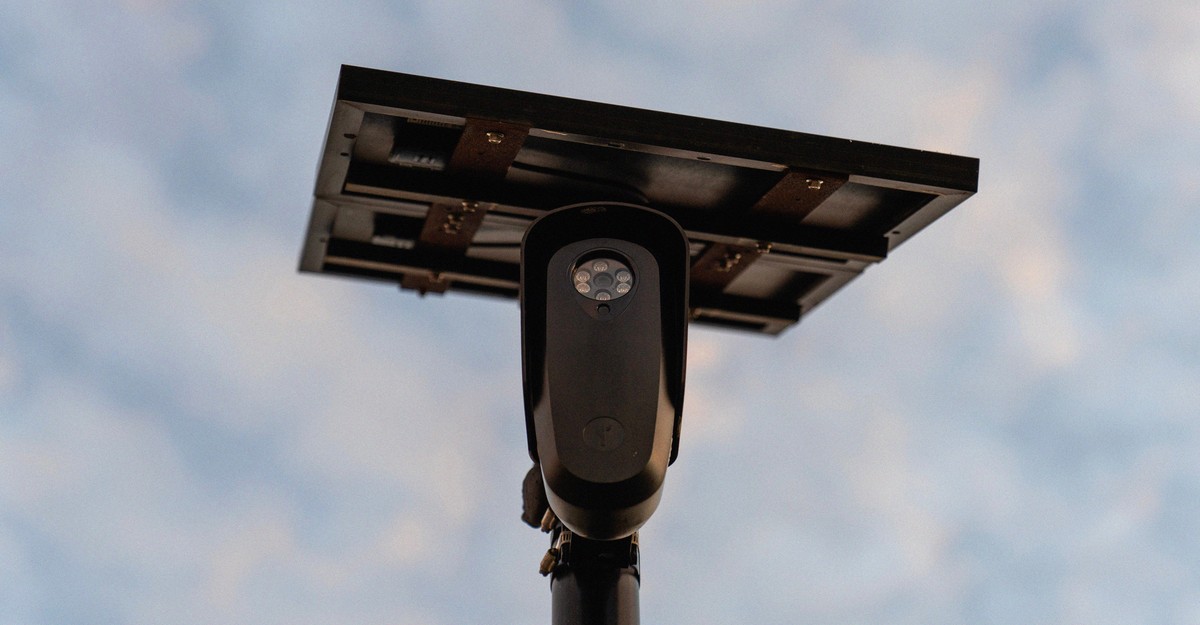
Flock Safety's automatic license plate readers (ALPRs) are being utilized by law enforcement agencies across the United States. These cameras, installed on poles or buildings, capture images of license plates as vehicles pass and compile this data into a centralized database. The technology allows police to track vehicles in real time and create a historical record of vehicle movements, providing surveillance capabilities across cities.
What Happened
San Francisco, for example, has deployed approximately 500 ALPRs. These cameras have been instrumental in identifying and tracking vehicles associated with criminal activity. One individual, a convicted felon, noted that the cameras make criminal activities, such as using stolen plates, more difficult due to the immediate alerts issued to law enforcement.
Flock Safety states that its ALPRs are used by over 5,000 agencies nationwide, capturing billions of license plate images monthly. This widespread adoption has made the technology a subject of debate.
Why It Matters
The ALPR system faces opposition from privacy and civil-rights organizations, which contend that it poses a threat to Fourth Amendment rights and constitutes Orwellian surveillance. Vandalism and attempts to block these cameras have been reported in various cities, including Oakland, California; St. Petersburg, Florida; and Pocatello, Idaho. The technology has also drawn criticism from some political figures, with concerns raised about its potential for mass surveillance and its role in a perceived future surveillance state. Some lawmakers have proposed withholding federal funds from cities using Flock cameras or have called for outright bans.
Background
Research into the effectiveness of ALPRs is ongoing. Early studies from the early 2010s indicated little to no crime reduction benefit from ALPRs, with a possible exception for drug-related offenses. However, these studies utilized smaller sample sizes and older technology. More recent research offers some positive indications, though the research designs are less robust in isolating causal effects. For instance, a 2017 study suggested a correlation between ALPRs and a reduction in violent crime. A 2019 paper found non-conclusive evidence of a decrease in auto theft and robbery. An evaluation of ALPRs in Atlantic City, published in 2025, reported a decrease in shootings, car thefts, and property crimes. However, none of these studies definitively proved that ALPRs caused these reductions.
Studies examining "natural experiments," where the random distribution of interventions allows for analysis akin to randomized trials, have shown that cameras in general can reduce crime. One analysis in Medellin, Colombia, utilizing the quasi-random distribution of cameras, found an approximate 19 percent reduction in crime. Another study indicated a 25 percent reduction in crime associated with cameras.
Key Facts
- Flock Safety provides automatic license-plate readers (ALPRs) to law enforcement agencies.
- These cameras photograph license plates and add images to a centralized database.
- Flock claims its ALPRs are used by over 5,000 agencies nationwide and record billions of plate images per month.
- San Francisco has approximately 500 ALPRs deployed.
- Privacy and civil-rights groups have expressed concerns about ALPRs infringing on Fourth Amendment rights.
- Cities like Oakland, St. Petersburg, and Pocatello have seen vandalism or blocking of ALPR cameras.
- Lawmakers have proposed actions ranging from withholding federal funds to banning Flock cameras.
- Earlier studies on ALPR effectiveness showed limited crime reduction, but newer research suggests potential benefits.
- A 2025 evaluation of ALPRs in Atlantic City noted reductions in shootings, car thefts, and property crimes.
- An analysis of cameras in Medellin, Colombia, found an approximate 19 percent crime reduction.
Sources reviewed
Project Chintan independently synthesized and analyzed information cross-checked across the sources listed above.


