
Ancient Brain 'Night Watch' Linked to Poor First-Night Sleep on Trips
A phenomenon known as the first-night effect causes heightened brain alertness in unfamiliar environments, potentially stemming from an ancient survival mechanism. This can lead to disrupted sleep patterns and reduced cognitive benefits during travel.
Key takeaways
- The 'first-night effect' causes part of the brain to remain alert in unfamiliar environments, impacting sleep quality.
- This ancient survival-like response can lead to difficulty falling asleep, frequent awakenings, and reduced REM sleep.
- Beyond fatigue, the effect can impair visual learning and alter brain plasticity processes.
- Factors like time zone changes and travel stress also contribute significantly to sleep disruption during trips.
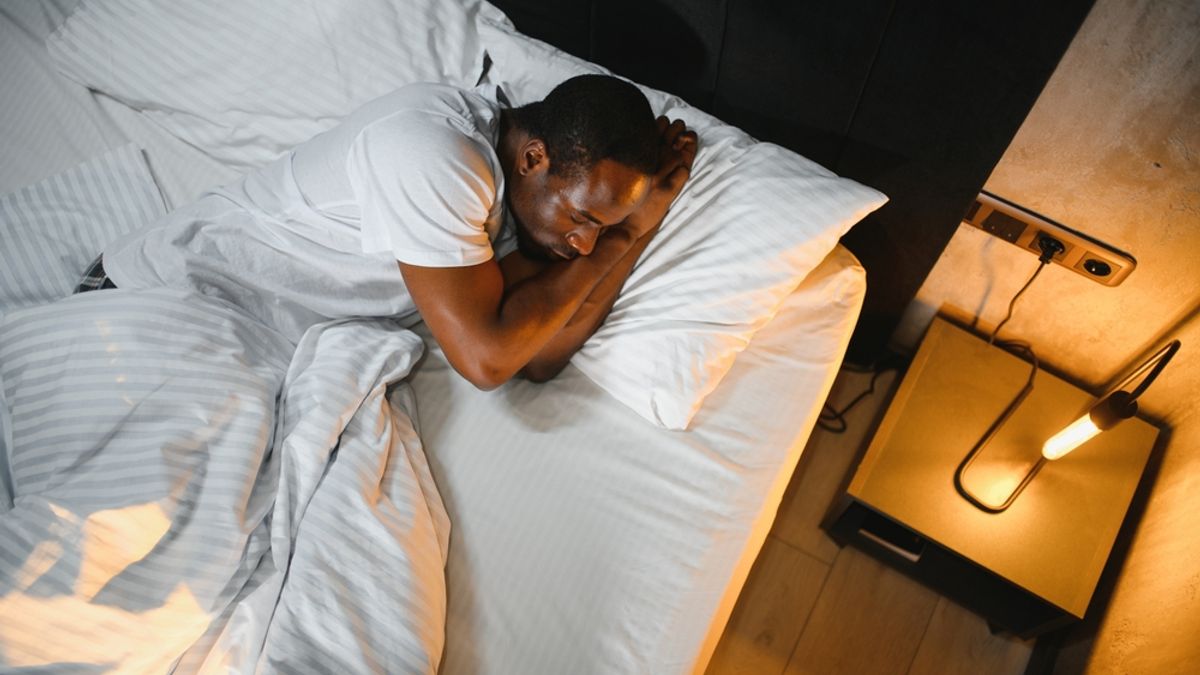
Travelers often experience difficulty sleeping in new locations due to a phenomenon called the first-night effect. Science suggests that during the initial night in an unfamiliar place, part of the brain remains unusually vigilant, acting as a "night watch" to monitor the surroundings while the rest of the body attempts to rest.
What Happened
This increased alertness in a new environment can result in longer times to fall asleep, more frequent awakenings, reduced total sleep duration, and diminished sleep efficiency, including less REM sleep. Research indicates that the first-night effect might not be solely due to unfamiliar settings but can also be influenced by changes in routines or the experience of being monitored. A study published in Current Biology proposes that one hemisphere of the brain may stay more vigilant during deep sleep in a new place, an adaptation possibly rooted in ancient survival instincts that aided ancestors in unfamiliar territories.
Why It Matters
The consequences of the first-night effect extend beyond mere tiredness. Studies have shown that this sleep disruption can impair the brain's overnight processing, reducing the benefits for visual learning and altering neurochemical processes linked to brain plasticity. This suggests that even short periods of disturbed sleep can interfere with essential cognitive functions.
Background
Up to 80 percent of travelers report experiencing poorer sleep away from home, according to the Clayton Sleep Institute. While unfamiliar mattresses can contribute, sleep quality is affected by a complex interplay of cues including light, routines, surroundings, and perceived safety, all of which can be disrupted by travel. Other factors contributing to travel insomnia include the misalignment of the body's internal clock with local time zones, disruptive travel experiences like airport crowds and tight connections, and lifestyle adjustments such as caffeine intake, alcohol consumption, and late meals.
Key Facts
- Up to 80 percent of travelers report poorer sleep away from home.
- The first-night effect leads to longer sleep onset, more frequent awakenings, and reduced sleep efficiency and REM sleep.
- Research suggests one brain hemisphere may remain more vigilant during deep sleep in a new environment.
- The first-night effect can reduce benefits for visual learning and alter neurochemical processes associated with brain plasticity.
- Time zone changes, travel-related stress, and changes in diet and routine also contribute to travel insomnia.
Sources reviewed
Project Chintan independently synthesized and analyzed information cross-checked across the sources listed above.
Related stories

Shared Exercise Boosts Marital Communication and Reduces Conflict, Study Finds

A Different Kind of Travel: Seeking India Through Artisans and Unexpected Discoveries

Chennai's Romantic Escapes: A Celebration of 387 Years
