FCC Bans Foreign-Made Advanced Robots, Impacting Robot Vacuums
The FCC has added foreign-made advanced mobile robots to its "Covered List," restricting their import, marketing, and sale in the U.S. This ban includes everyday items like robot vacuums due to their sensors and connectivity.
Key takeaways
- The FCC has banned the import, marketing, and sale of foreign-made advanced mobile robots in the U.S.
- Robot vacuums are included in this ban due to their autonomous navigation, sensors, and network connectivity.
- The ban applies to new foreign-produced devices and does not affect existing robot vacuums.
- The decision also affects foreign-made power inverters, impacting the U.S. solar and energy storage industries.
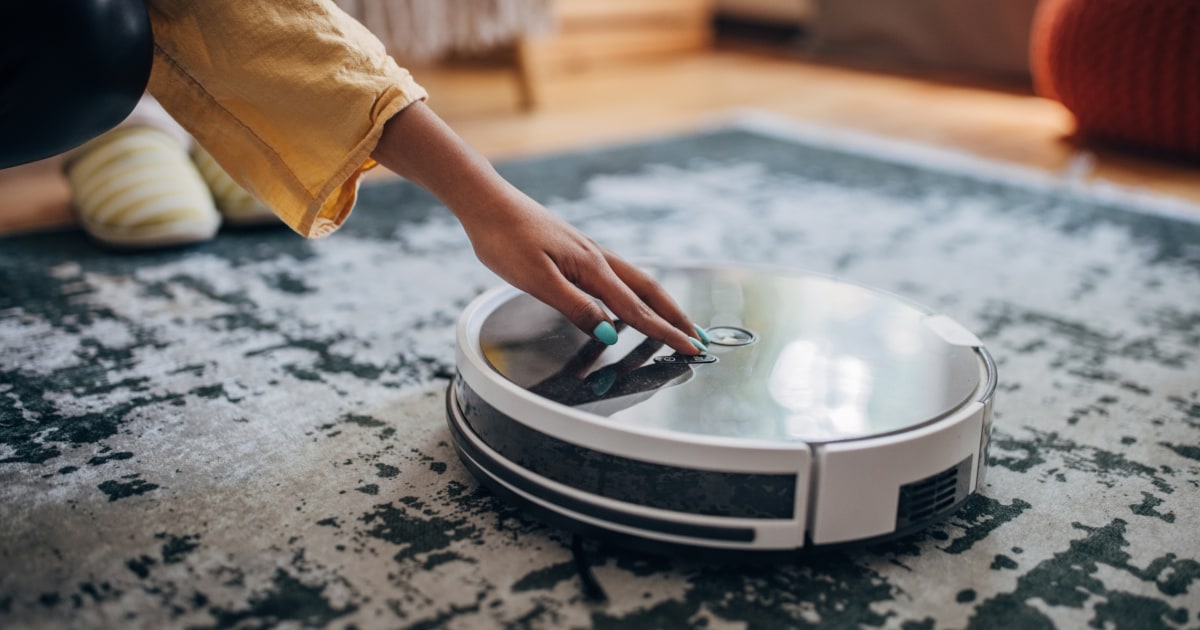
The U.S. Federal Communications Commission (FCC) has implemented new restrictions on foreign-made advanced mobile robots, a category that encompasses a range of devices including robot vacuums. The FCC added these robots and foreign-made power inverters to its "Covered List," a designation for technology deemed too risky for U.S. national security and security of persons.
This classification means that equipment on the list cannot obtain FCC authorization, effectively prohibiting its import, marketing, and sale within the United States. The decision stems from concerns regarding the data-gathering capabilities of these robots, which are equipped with sensors that collect information about their surroundings. Additionally, the FCC highlighted the vulnerability of network-connected robots to hacking, data theft, and loss of control.
The definition of "advanced robotic devices" includes items that can autonomously move, navigate, or avoid obstacles, operate remotely, weigh over 4.4 pounds (including any docking station), and possess sensors, network connectivity of at least 200 kbps, or software controlling movement or environmental sensing. Many robot vacuums meet these criteria due to their autonomous navigation, Wi-Fi connectivity, data collection about home layouts, and weight.
For consumers who already own a robot vacuum, the ban does not affect existing devices; it applies only to new foreign-produced advanced robotic equipment. The FCC's action also impacts the U.S. photovoltaic and energy storage markets, which rely heavily on foreign-made power inverters, particularly from China. Manufacturers' plans suggest that domestic annual production capacity for PV inverters and power conversion systems could surpass 100 GWac by the end of 2027.
Sources reviewed
Project Chintan independently synthesized and analyzed information cross-checked across the sources listed above.
Related stories

US Revokes Over 175,000 Visas Citing Criminal Activity and National Security

Nebius Faces Scrutiny Over Vineland Data Center Delays Ahead of Earnings
Australia Poised for Record $10 Billion Defence Export Deal with UK