Family Business Reinvents Air New Zealand's Iconic Lolly
Horners Confectionery, a family-owned business, secured the contract to supply Air New Zealand's iconic lollies after Cadbury Pascall closed its domestic factory. The company faced challenges recreating the lolly's recipe and wrapper.
Key takeaways
- Horners Confectionery became the supplier for Air New Zealand's lollies after the closure of Cadbury Pascall's local factory.
- The family business had to recreate the lolly's original flavor and color, and later reintroduce twist wrappers after a packaging change caused public outcry.
- Air New Zealand considers the lolly a significant part of the passenger experience and a nostalgic ritual.
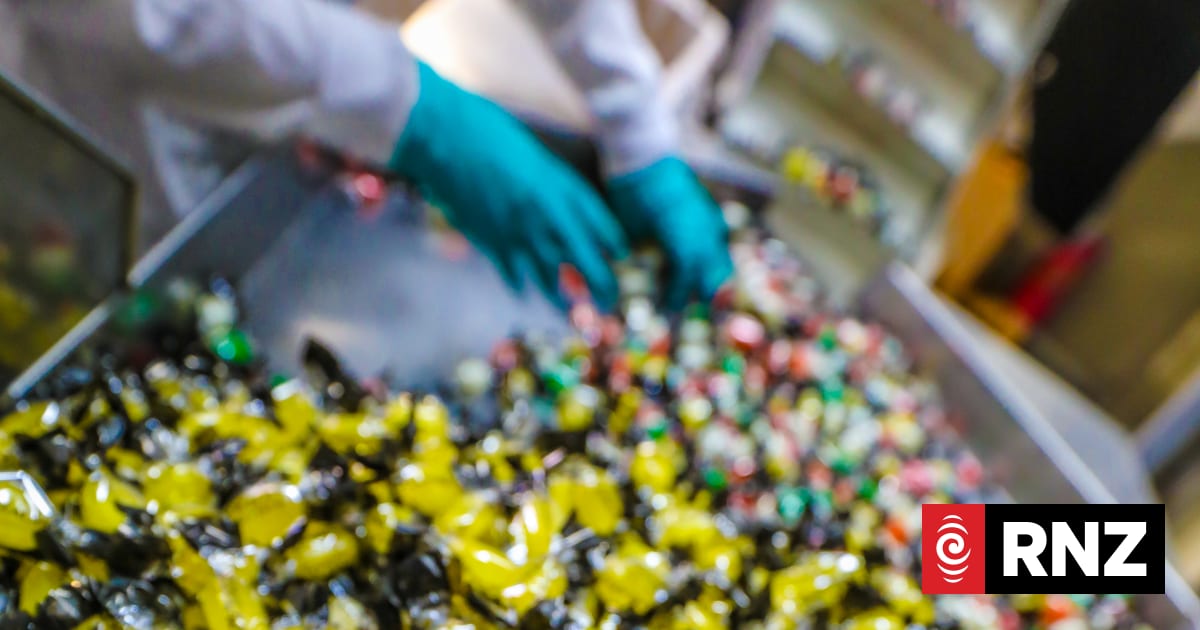
Horners Confectionery, a family business, has become the supplier of Air New Zealand's distinctive lollies, a role previously held by Cadbury Pascall. The airline sought a New Zealand-made product, and Horners, with its established reputation and scarcity of local confectionery manufacturers, was awarded the contract.
The transition was not without its challenges. Cadbury Pascall did not provide the original recipe, requiring Dhiru Bhikha, one of the business owners, to recreate the specific colors and flavors from existing lolly stock. Horners also encountered a public backlash when they initially changed the lolly's packaging from a twist wrap to a pillow wrap. This led to sourcing a twist wrapping machine to satisfy passenger preferences.
Air New Zealand views the lolly as more than just a confection; it is considered a nostalgic ritual and a unique touch that enhances the passenger experience, particularly for children who may be involved in distributing them on flights. The lolly also serves a practical purpose in helping to equalize ear pressure during aircraft descent.
Background
Dhiru Bhikha purchased Horners Confectionery, a small lolly factory in Te Kuiti, in 1984. Initially, the production was largely manual. The business faced economic difficulties in the late 1980s due to New Zealand's shift to a free-market economy and increased competition from imports. By 1989, the company invested in American candy cane-making and wrapping equipment, which allowed them to dominate the New Zealand and Australian candy cane market within a decade. Operations later moved to Auckland in 1999.
Key Facts
- Dhiru Bhikha purchased Horners Confectionery in 1984.
- Horners Confectionery is a family business that now supplies Air New Zealand's lollies.
- Cadbury Pascall, the previous supplier, closed its domestic factory in the mid-2000s.
- Dhiru Bhikha had to reverse-engineer the lolly's recipe when Cadbury Pascall did not provide it.
- Horners experienced passenger dissatisfaction with a change to a pillow wrap and subsequently sourced a twist wrapping machine.
- Air New Zealand considers the lolly a nostalgic ritual and a unique element of the travel experience.
- The lolly can assist with equalizing ear pressure during aircraft descent.
Sources reviewed
Project Chintan independently synthesized and analyzed information cross-checked across the sources listed above.
Related stories

New Zealand PM Luxon Survives Second Leadership Challenge

Milky Mist IPO Opens Amidst Growth Claims and Valuation Concerns

Roger Federer's Net Worth Dips Below $1 Billion as On Holding Shares Fall