Discarding Functional Gasoline Cars for EVs Minimizes Total Carbon Emissions
Academic research published in Science indicates that replacing internal combustion vehicles with electric alternatives yields immediate climate benefits in 92% of cases. The study refutes the common assumption that maximizing a gasoline car's lifespan is the most sustainable choice.
Key takeaways
- Switching to an EV can save 58 percent of CO2 emissions even if the replaced gasoline car is brand new.
- The 'break-even' point for higher EV production emissions is reached within an average of three years of driving.
- Drivers covering less than 7,054 km per year may not see climate benefits from an early vehicle replacement.
- Dutch subsidies will soon assist low-income households in trading functional fuel cars for second-hand electric vehicles.
Why It Matters
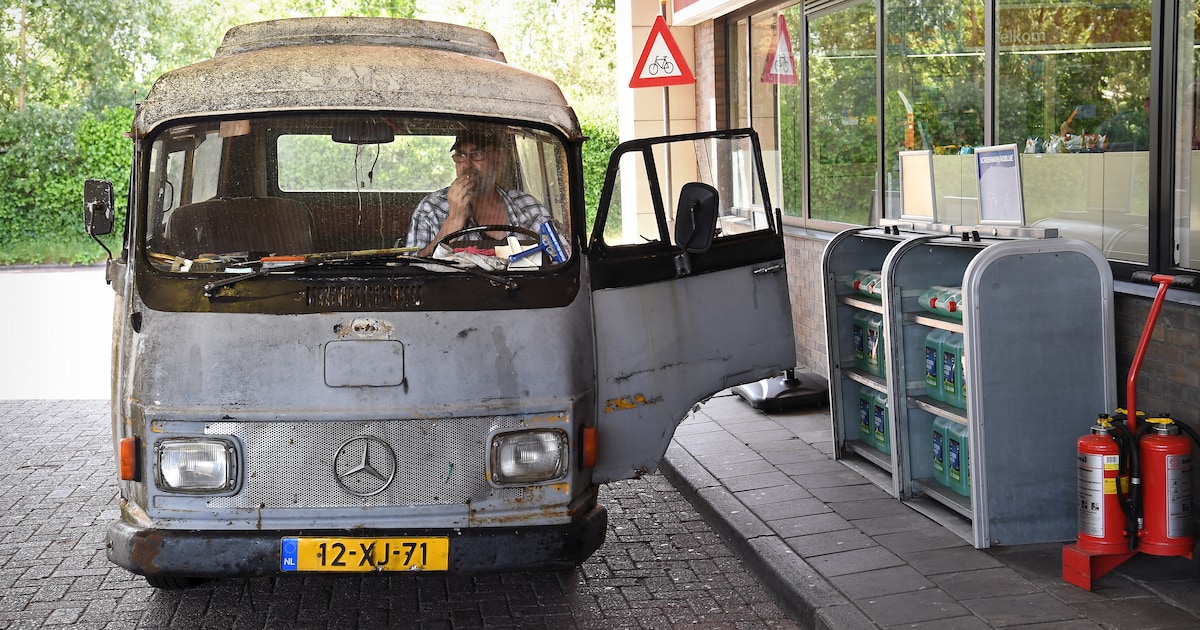
The traditional environmental wisdom of using a vehicle until it no longer functions is increasingly challenged by the rapid efficiency gains of electric drivetrains. Research led by sustainability professor Elliot Campbell demonstrates that the operational carbon savings of electric vehicles (EVs) significantly outweigh the initial manufacturing footprint, even when replacing nearly new gasoline cars.
Key Facts
- Immediate replacement of a gasoline vehicle with an EV can reduce carbon emissions by up to 58 percent.
- In 92 percent of analyzed scenarios, early replacement proved more climate-friendly than driving a functional gasoline car to the end of its life.
- Electric vehicles typically offset their higher manufacturing emissions, primarily caused by battery production, within three years of operation.
- The environmental benefits are negated for vehicles driven fewer than 7,054 kilometers annually or for those transitioning to plug-in hybrids.
- Auke Hoekstra of TU Eindhoven notes that as electricity grids shift toward wind and solar, the climate advantages of EVs will surpass current conservative estimates.
Background
The study, published on August 6, 2026, utilized a comprehensive model covering 459 different car models. It analyzed production emissions, fuel consumption, and regional electricity grid data. While conducted in the United States—a market characterized by higher mileage and fuel-intensive vehicles—experts confirm the fundamental logic applies globally, including in the Netherlands. The findings challenge the hesitation to purchase new EVs based on the high energy costs of battery assembly.
What Happens Next
Policy shifts are already reflecting these findings. By the end of 2026, the Dutch government plans to launch an early trade-in program. This initiative will provide subsidies for low-income households to swap their gasoline or diesel vehicles for pre-owned electric cars. The program aims to simultaneously advance climate targets and shield citizens from volatile fuel prices.
Source: de Volkskrant
Related stories

Texas Data Center Plans Reveal Amazon Energy Strategy and Rising Emissions Risks
Indian Automotive Sector Braces for Major August Launches and Updates

Mahindra July Dispatches Surpass 60,000 Units as SUV Demand Gains 20 Percent