
Strongest El Niño Since 1950 Possible by Year-End, Forecasters Warn
A developing El Niño event in the Pacific shows a high probability of becoming one of the strongest on record, potentially exceeding any since 1950. This natural climate pattern, amplified by global warming, is expected to intensify through late 2026 and into early 2027, leading to altered global we
Key takeaways
- A historically strong El Niño, potentially the most powerful since 1950, is developing in the Pacific.
- The event is expected to intensify through late 2026 and into early 2027, bringing altered global weather patterns.
- This El Niño, combined with global warming, may lead to increased extreme weather events like droughts and floods.
- The global financial toll is projected to exceed $4 trillion, and food insecurity could rise significantly.
What Happened
A powerful El Niño phenomenon is strengthening in the Pacific Ocean, with forecasters indicating a significant likelihood of it becoming one of the most intense recorded. Projections suggest a 69 per cent chance that the event, which began strengthening in July, could surpass the strength of previous El Niños recorded since 1950. The event is expected to intensify through the end of 2026 and peak during the Northern Hemisphere winter, continuing into early 2027.
Why It Matters
El Niño is a naturally occurring climate pattern driven by warming sea-surface temperatures in the tropical Pacific that can alter weather systems worldwide. It is associated with increased risks of drought, extreme heat, and altered rainfall patterns. This developing El Niño is occurring alongside global warming, which is predicted to amplify its effects, potentially leading to more extreme weather events such as severe droughts, heatwaves, and floods. The financial toll of this El Niño is projected to exceed $4 trillion through 2030. For vulnerable regions, a powerful El Niño could exacerbate food insecurity, potentially pushing millions more people into acute hunger.
Background
El Niño is the warm phase of the El Niño-Southern Oscillation (ENSO). It occurs when trade winds weaken, allowing warmer ocean waters to build up in the central and eastern equatorial Pacific. This shift influences atmospheric conditions, leading to changes in global wind and rainfall patterns. El Niño events typically occur every two to seven years and can last for nine to 12 months. This current event is developing at a time when global surface air temperatures have already risen by approximately 1.4°C since the pre-industrial era.
Key Facts
- There is a 69 per cent chance of an El Niño event developing this year becoming stronger than any recorded since 1950.
- The event is expected to strengthen through the end of 2026 and peak during the Northern Hemisphere winter.
- The U.S. National Oceanic and Atmospheric Administration (NOAA) stated there is a 90 per cent chance of a 'strong' El Niño during the Northern Hemisphere winter.
- Japan's Meteorological Agency projected a 100 per cent chance that El Niño conditions will persist through the Northern Hemisphere winter and into early 2027.
- The World Meteorological Organization (WMO) warned that the phenomenon would rapidly gain strength.
- The financial impact of this El Niño is estimated to exceed $4 trillion through 2030.
- A powerful El Niño could push nearly 49 million more people into acute food insecurity.
What Happens Next
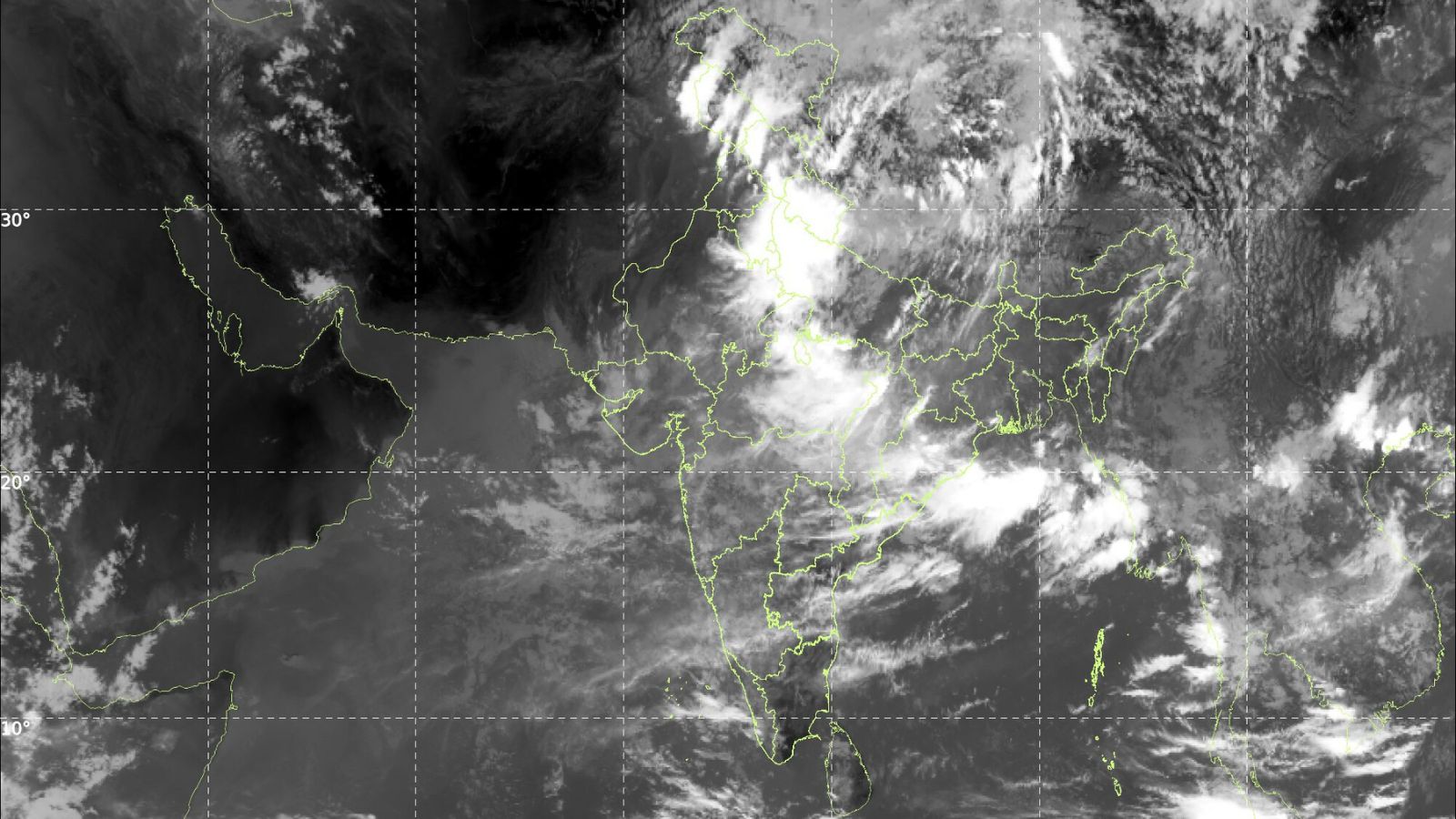
The El Niño event is forecast to intensify over the coming months, increasing the likelihood of extreme weather events globally. Its effects on regions like India typically emerge with a lag of several weeks, meaning significant impacts might be felt after the current southwest monsoon season concludes. The full extent of its influence on global weather patterns and associated economic and social consequences will unfold through late 2026 and into 2027.
Sources reviewed
Project Chintan independently synthesized and analyzed information cross-checked across the sources listed above.
Related stories

Mosquitoes, Microplastics, and New Species: A Week in Science News

CMFRI Researchers Photograph Coral Assemblage Resembling Indian Tricolour
New Ice Age Toad Species Identified in La Brea Tar Pits Fossils
