FM Sitharaman cites degree gap; calls for market-ready education
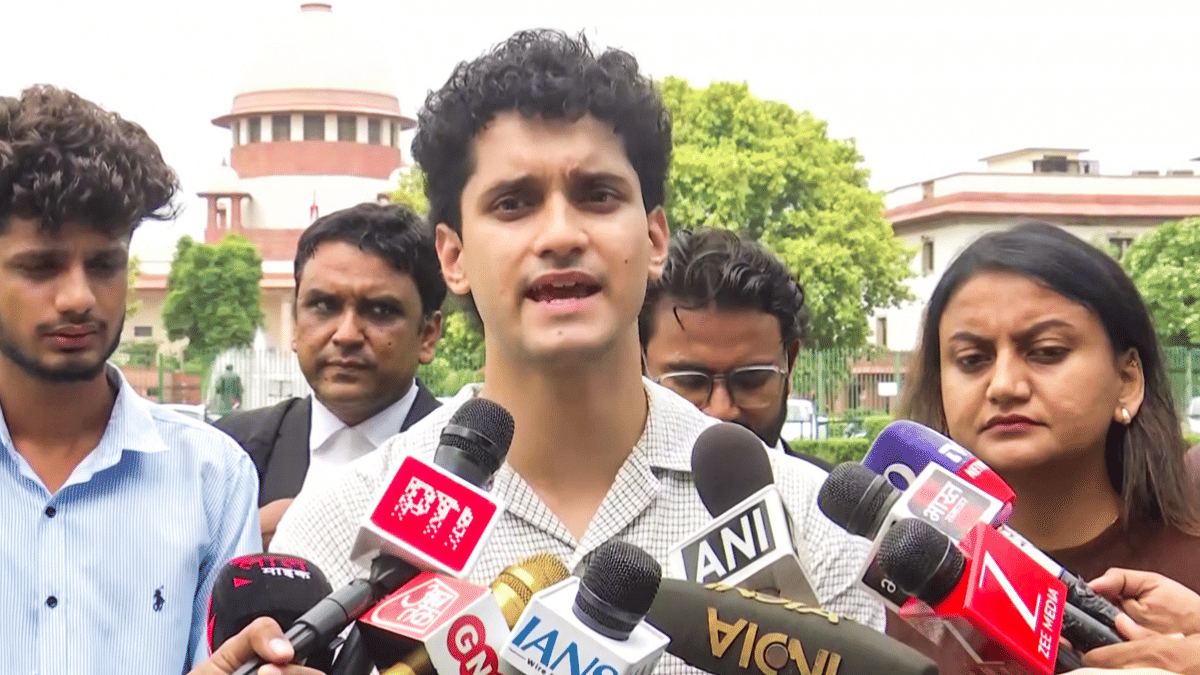
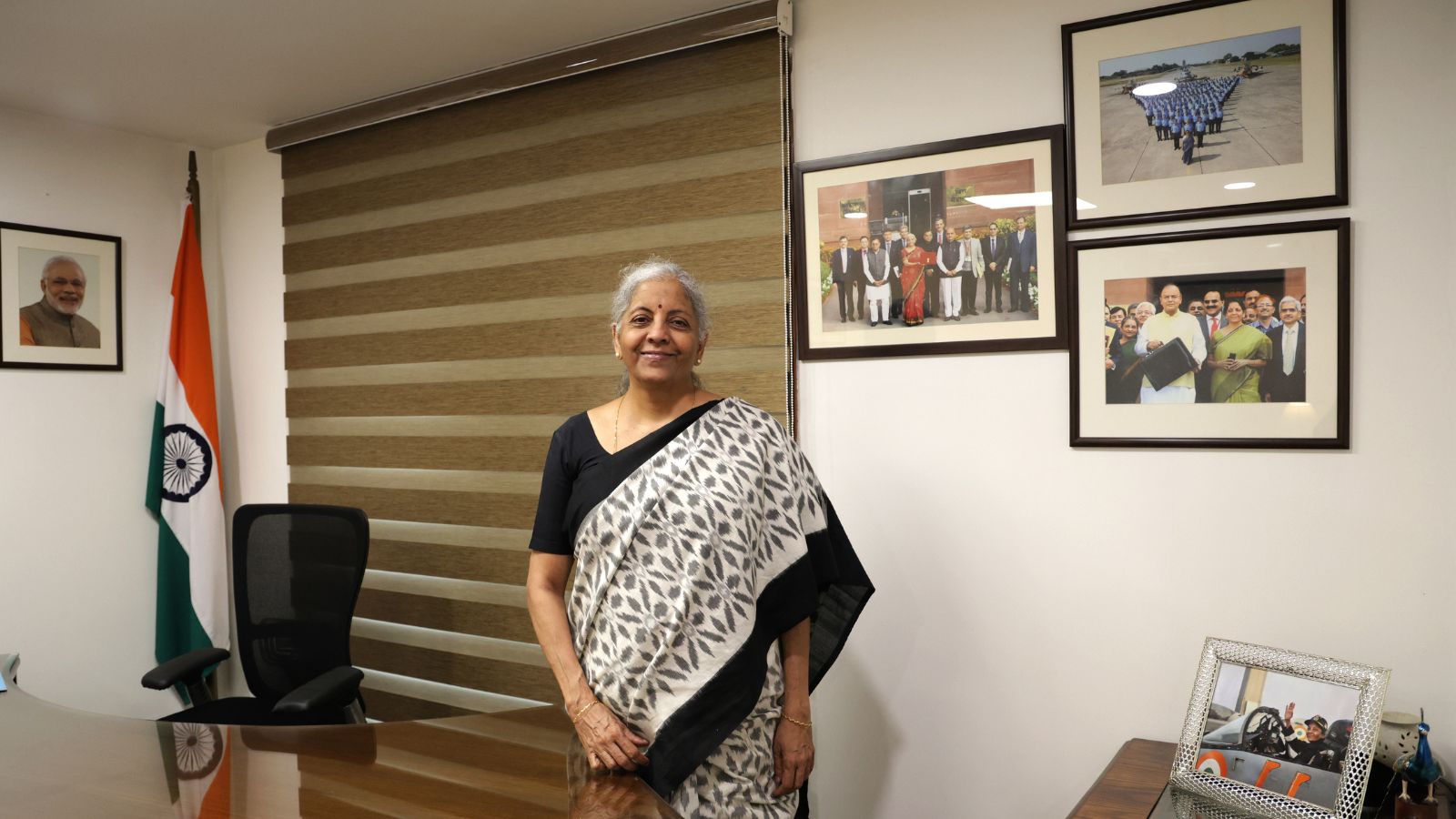
In Jaipur, FM Nirmala Sitharaman argued that university degrees don’t adequately prepare students for the job market, emphasizing structural fixes to align education with employment needs. She spoke during the BRICS finance ministers and central bank governors meeting, amid concerns raised by protes
Key takeaways
- The finance minister links the education-to-employment gap to broader concerns among youth about jobs and exam integrity.
- She notes that government jobs are a small share of total employment (1-2%).
- She argues that university courses in India do not sufficiently prepare students for the marketplace or entrepreneurship.
- Compared to developed countries, India lacks structured local technical training and management-readiness pathways within education.
What Happened
Union Finance Minister Nirmala Sitharaman spoke in an interview tied to the BRICS Finance Ministers and Central Bank Governors meeting held in Jaipur on August 12-13. She addressed concerns raised by youth protesters at Jantar Mantar, including issues around exam paper leaks and the broader job market, noting that young people aged roughly 16 to 26 exhibit widespread dissatisfaction with employment prospects and education-related gaps. She highlighted that government jobs account for only 1-2% of total employment, while graduates face limited formal, salaried opportunities. Sitharaman criticized university courses for not adequately preparing students for either traditional employment or entrepreneurship. She contrasted India’s system with examples from developed countries where higher studies options and technical training are structured to ready youths for marketplaces, management, or self-employment. She also recalled that, in her time, UGC examinations supported research pathways such as JRF and SRF, whereas not all students pursued those routes.
Why It Matters
The finance minister frames the education-to-employment gap as a structural issue affecting a large cohort of graduates. Her observations tie the protests around NEET paper leaks and job opportunities to a broader critique of how curricula translate into market readiness. By pointing to the mismatch between degree issuance and job market needs, she signals potential policy emphasis on curricular reform and targeted skill development, with implications for public and private sector roles in generating opportunities for young people.
Background
The remarks come in the context of student protests at Jantar Mantar and ongoing discussions at high-level BRICS talks. The interview reflects a government perspective that emphasizes multiple factors driving youth concerns—exam integrity, employment, and the quality and relevance of government education systems. The reference to development patterns in other countries serves to illustrate a comparative frame for evaluating India’s higher education trajectory.
Key Facts
- The interview occurred during the 1st BRICS Finance Ministers and Central Bank Governors meeting in Jaipur on August 12-13.
- The protest at Jantar Mantar included NEET paper leak concerns and broader employment worries among youth.
- Government jobs constitute about 1-2% of total employment in the economy.
- Graduates face a lack of regular salaried employment with formal contracts relative to the number of graduates.
- Sitharaman contrasted Indian university outcomes with higher-study or technical training paths seen in developed countries.
What Happens Next
The remarks imply potential future policy focus on aligning curricula with market needs and expanding skill development pathways, though no specific policy measures or timelines were announced in the interview.
Sources reviewed
Project Chintan independently synthesized and analyzed information cross-checked across the sources listed above.