
Duterte Awaits Trial in The Hague as Philippine Drug War Legacy Persists
Former Philippine President Rodrigo Duterte faces crimes against humanity charges at the International Criminal Court while his political base remains resilient. Despite his detention, a significant majority of Filipinos continue to support his leadership and controversial anti-drug methods.
Key takeaways
- Rodrigo Duterte is currently imprisoned in The Hague awaiting a November trial for crimes against humanity.
- Human rights groups estimate the death toll of Duterte's anti-drug campaign at 12,000 to 30,000 people.
- Despite his arrest, 63 percent of Filipinos reported trusting the former president in a 2025 survey.
- Duterte won the 2025 Davao City mayoral election while in detention, though he could not be sworn in.
What Happened
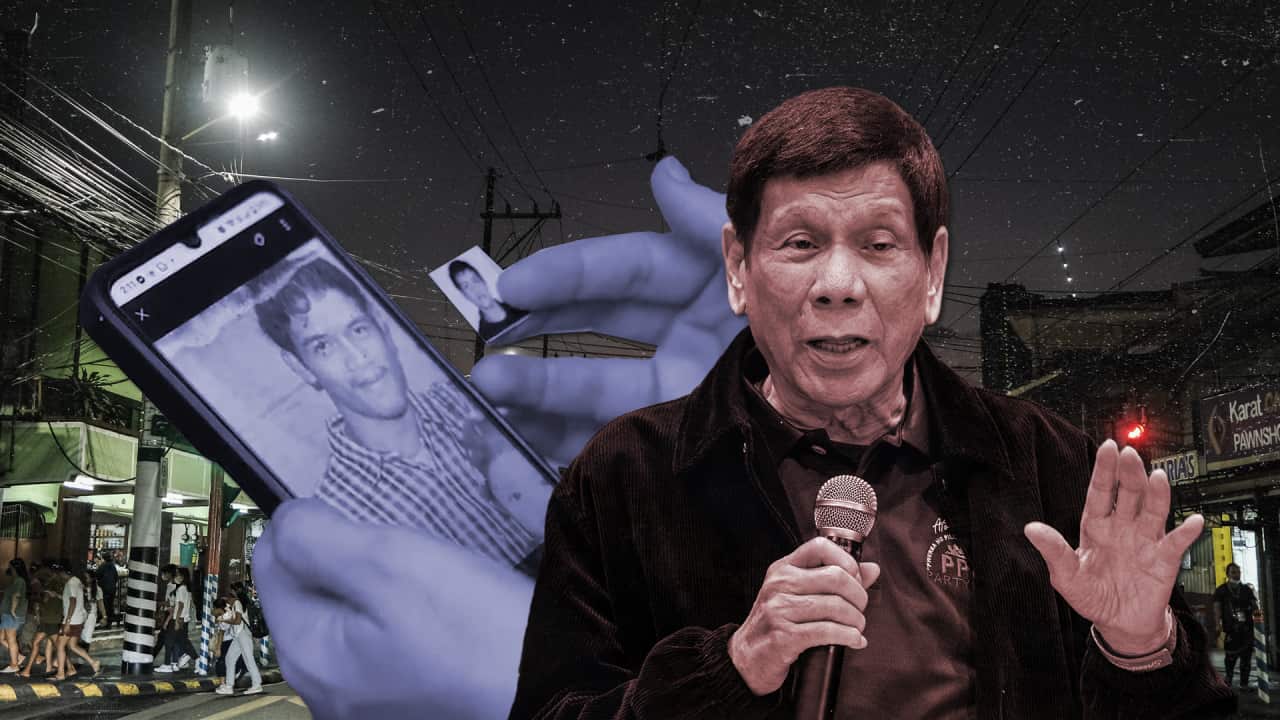
Former Philippine President Rodrigo Duterte is currently detained in The Hague, Netherlands, facing charges of crimes against humanity. The International Criminal Court (ICC) has accused Duterte of being an indirect co-perpetrator in dozens of deaths involving police and vigilante 'death squads' during his administration. His trial, which includes charges of murder and attempted murder, is scheduled to begin in November.
During his presidency from 2016 to 2022, Duterte initiated Oplan Tokhang, an aggressive anti-narcotics campaign. This policy included shoot-to-kill orders for law enforcement, leading to thousands of deaths. Official police records cite over 6,000 fatalities, though human rights organizations suggest the actual figure ranges between 12,000 and 30,000. These operations often relied on government watchlists to identify targets, many of whom were killed without investigation or trial.
Background
The human toll of the drug war is illustrated by cases like that of Constantino de Juan, who was killed by masked officers in 2016 in front of his children. Although his family maintains he had been clean for a year, he was targeted after being placed on a government watchlist. Official documentation often obscured the nature of these killings; for instance, Constantino’s death certificate listed a heart attack as the cause of death despite eyewitness accounts of a fatal shooting.
Duterte’s political career began as the three-time mayor of Davao City before he ascended to the presidency. Even while in detention, his political influence remains potent. In 2025, he won a landslide victory to return as mayor of Davao City, though his incarceration prevented him from being sworn in, leading his son, Sebastian, to take the office instead.
Why It Matters
The persistence of the Duterte dynasty highlights a deep division in Philippine society regarding human rights and security. While international bodies pursue legal accountability for extrajudicial killings, internal domestic support for Duterte remains high. A 2025 survey indicated that 63 percent of Filipinos still trust the former president, with public demonstrations actively calling for a return to his specific brand of anti-drug enforcement. For the families of victims, the lack of domestic investigations into these deaths remains a barrier to achieving justice.
Sources reviewed
Project Chintan independently synthesized and analyzed information cross-checked across the sources listed above.
Related stories

James and Ola Jordan Confirm Separation After Decades of Marriage
Reader Perspectives: Educational Relevance and Vehicle Size Disparities

England and Wales Brace for Rising Temperatures Amid Severe Regional Drought
