Dolphins Observed Using Shells as Tools for Hunting Fish
Researchers have documented Indo-Pacific bottlenose dolphins using empty shells to trap fish, a rare behavior called "shelling." This skill, observed in Australia, may be passed from mothers to calves.
Key takeaways
- Dolphins have been documented using empty shells as tools to hunt fish in a behavior known as "shelling."
- The rare skill was observed in two separate instances in Australia in 2025, including a mother and calf pair.
- This sophisticated foraging technique may be passed down from parent dolphins to their offspring.
- Previous research indicated shelling was a highly specialized skill, seen in less than 2% of a specific dolphin population.
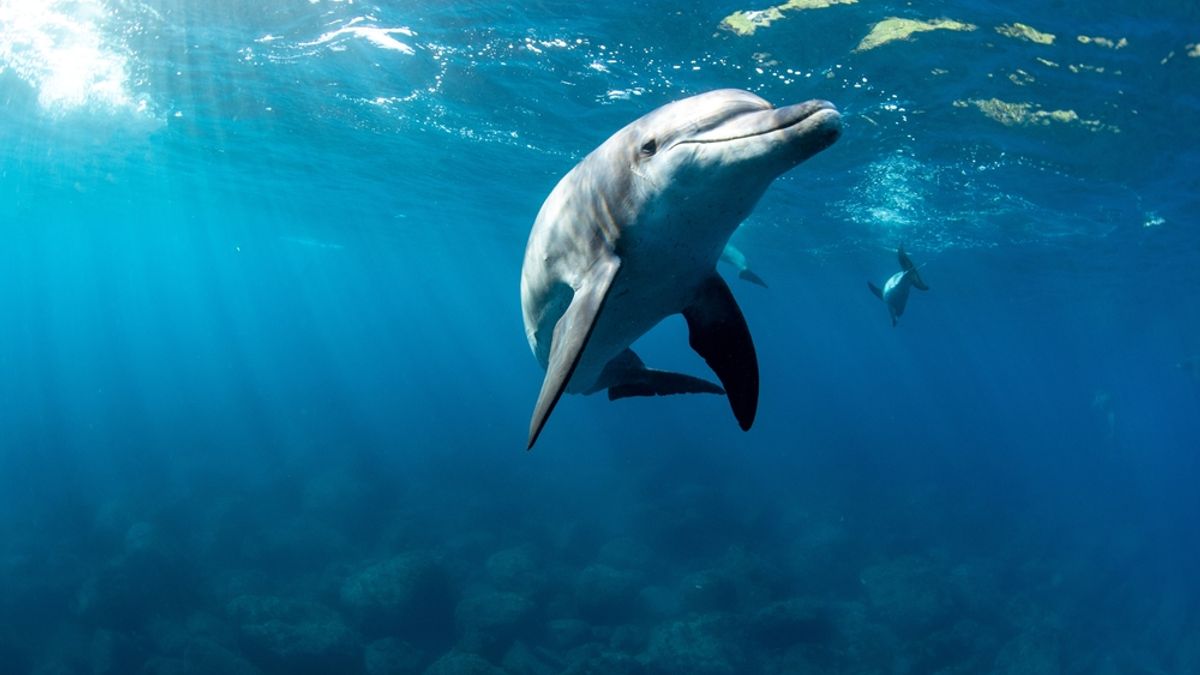
Australian researchers have documented a rare instance of intelligent foraging behavior in Indo-Pacific bottlenose dolphins, involving the use of empty shells as tools to catch fish. This practice, known as "shelling," was observed in two separate events in 2025.
What Happened
In July 2025, researchers at the Great Sandy Marine Park in Queensland observed an adult female dolphin, identified as Stevie Nicks, lifting an empty shell above the water. Although the dolphin eventually dropped the shell, the sighting provided evidence of the shelling behavior. Later, in October 2025, another observation in the same area involved a mother and calf pair, Maserati and Bentley. Drone footage from this event suggested the presence of a fish within the shell the mother dolphin lifted, and the calf's subsequent attempt to mimic the action indicated a potential transmission of the skill.
Background
Dolphins are recognized for their intelligence and tool use. In Shark Bay, Western Australia, some Indo-Pacific bottlenose dolphins have been observed using sponges on their beaks to protect themselves while foraging on the seafloor, a behavior called "sponging." Shelling had previously been exclusively documented in the Shark Bay population, where it was found to be practiced by less than 2 percent of the Indo-Pacific bottlenose dolphins, suggesting it is a highly specialized behavior. However, local tour operators had reported and photographed shelling events in the Great Sandy Marine Park in 2013 and 2019, hinting that the behavior might be more widespread than previously understood.
Why It Matters
The observation of shelling in two distinct locations in Australia, separated by over 3,700 miles, has intrigued researchers. The behavior's complexity suggests it may be a strategy to reduce food competition. The sighting of a mother and calf pair engaging in shelling also provides evidence that such specialized foraging techniques can be passed down from parent to offspring, a significant aspect of social learning in dolphin calves who spend years with their mothers learning essential survival skills.
Key Facts
- Australian researchers observed Indo-Pacific bottlenose dolphins using empty shells to hunt fish, a behavior termed "shelling."
- Two instances of shelling were documented in 2025 in Queensland's Great Sandy Marine Park.
- One observation involved a mother dolphin and her calf, suggesting the skill may be learned and passed down.
- Shelling was previously observed in a small percentage of dolphins in Shark Bay, Western Australia.
- Evidence suggests shelling behavior in the Great Sandy Marine Park was also observed by local tour operators in 2013 and 2019.
Sources reviewed
Project Chintan independently synthesized and analyzed information cross-checked across the sources listed above.