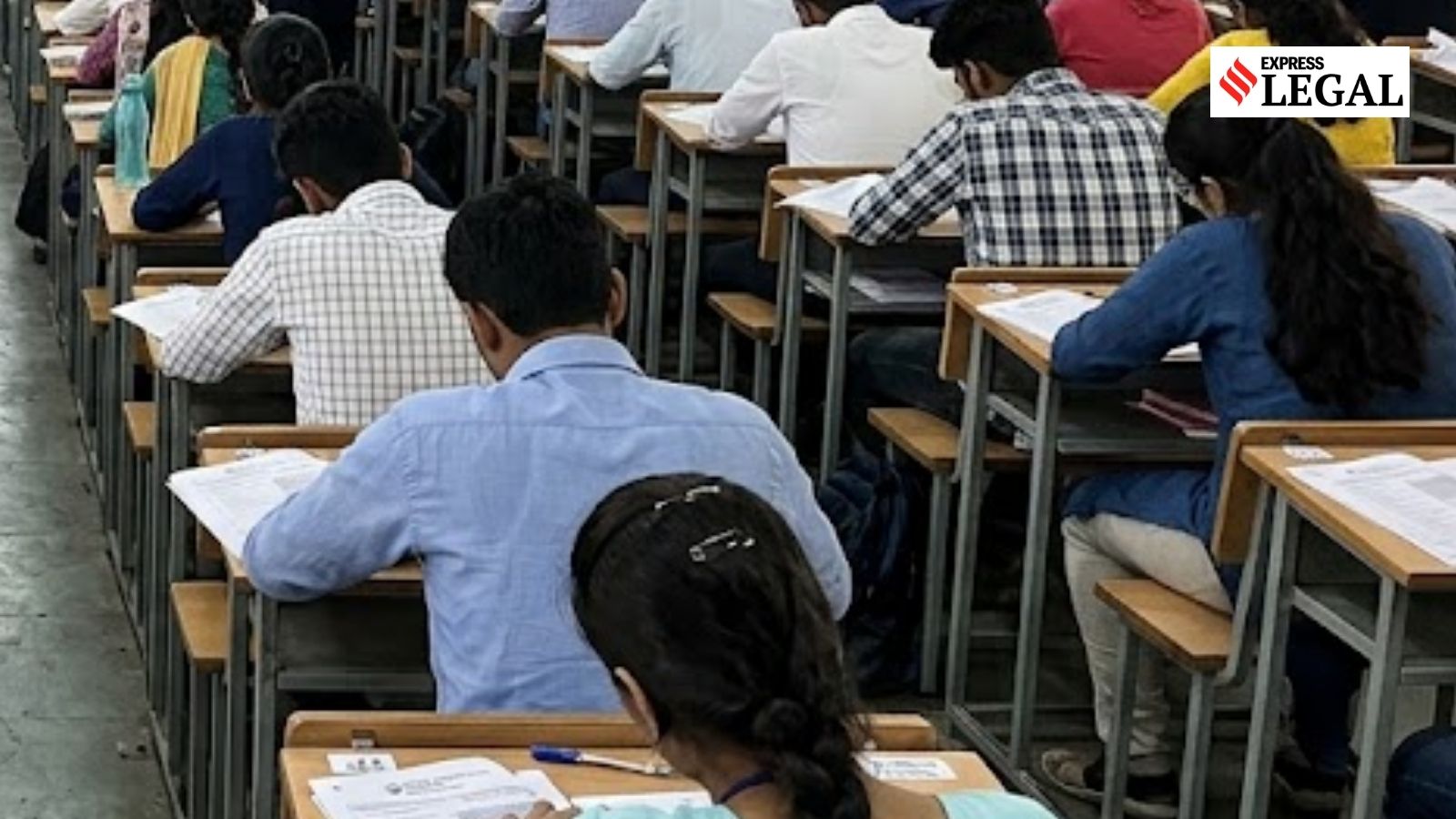
Delhi Court: NEET Experts Prima Facie Committed Breach of Trust in Paper Leak
A Delhi court has observed that three subject experts allegedly leaked the NEET-UG 2026 question paper, indicating they committed a criminal breach of trust with the National Testing Agency (NTA). The court's observation came while taking cognizance of a Central Bureau of Investigation (CBI) charges
Key takeaways
- A Delhi court found that three subject experts may have committed criminal breach of trust in connection with the NEET-UG 2026 paper leak.
- These experts were accused of leaking the translated examination paper despite an undertaking not to disclose its contents.
- The court's observation was based on a CBI chargesheet detailing the alleged conspiracy and dissemination of leaked exam materials.
- The implicated experts had allegedly taken advantage of security lapses at the NTA and sought monetary gain.
- The CBI investigation has traced the leak and uncovered a syndicate involved in the dissemination of the question paper.
A Delhi court has determined that three subject experts accused in the NEET-UG 2026 paper leak case likely engaged in a criminal breach of trust against the National Testing Agency (NTA). These experts were entrusted with translating the examination paper and had agreed not to disclose its contents. The court’s observation was made during the cognizance of a 20,000-page chargesheet filed by the Central Bureau of Investigation (CBI) against 13 individuals.
What Happened
Special Judge Ajay Gupta of Rouse Avenue Courts noted that PV Kulkarni, a Chemistry subject expert, exploited the lack of stringent security measures at the NTA headquarters to leak the question paper. The court stated that Kulkarni was aware that subject experts were not subjected to frisking at the designated translation site, allowing him to discreetly take out notes he had prepared during the translation work.
The court highlighted that the three subject experts—Kulkarni for Chemistry, Manisha Mandhare for Biology, and Manisha Havaldar for Physics—had signed an undertaking agreeing not to reveal any examination-related material. The judge concluded that this conduct suggests they committed a criminal breach of trust towards the NTA. The court further indicated that the leaked questions were disseminated to students through intermediaries.
It was also observed that these experts, in conspiracy with other accused individuals, allegedly sold the examination material to co-accused and candidates under the guise of providing coaching, seeking illegal monetary gain. The court noted that the accused individuals destroyed evidence, including electronic devices, to conceal their actions, making them liable under the Public Examinations (Prevention of Unfair Means) Act, 2024.
Key Facts
- A Delhi court observed that three subject experts prima facie committed criminal breach of trust in the NEET-UG 2026 paper leak case.
- The experts were engaged by the National Testing Agency (NTA) to translate the examination paper.
- PV Kulkarni (Chemistry), Manisha Mandhare (Biology), and Manisha Havaldar (Physics) are the subject experts implicated.
- The court took cognizance of a 20,000-page chargesheet filed by the CBI against 13 people.
- The experts had undertaken not to disclose the contents of the examination paper.
- The court noted that the experts allegedly took advantage of lax security and disseminated leaked questions for monetary gain.
- Accused individuals allegedly destroyed evidence, including electronic devices.
- The chargesheet invokes sections of the Public Examinations (Prevention of Unfair Means) Act, 2024, among others.
- All 13 charge-sheeted individuals are currently in judicial custody.
Background
The CBI's investigation traced the NEET-UG 2026 paper leak from the setters to the candidates, uncovering a conspiracy chain. The chargesheet includes offences such as criminal conspiracy, cheating, criminal breach of trust, and destruction of evidence. The CBI relied on 360 witnesses, 422 documents, and 43 material objects for its chargesheet.
The case is currently at the stage of document scrutiny, with arguments on the charge scheduled to commence next week.
Sources reviewed
Project Chintan independently synthesized and analyzed information cross-checked across the sources listed above.
Related stories
Kejriwal, Sisodia seek dismissal of CBI appeal in Delhi excise policy case

Supreme Court to Hear Challenge on Facial Recognition Use Against NEET-UG Protesters
Nirav Modi's Sister Purvi's Plea for Video Conference Hearing Rejected by Court