Croke Park's Evolution: From Nationalist Symbol to Sporting Venue
Croke Park, a site steeped in Irish nationalist history, has transformed to host international sports. The stadium's policy shift reflects a changing cultural landscape and evolving attitudes towards 'foreign' games.
Key takeaways
- Croke Park's historical Rule 42 prevented the playing of 'foreign' sports like soccer and rugby.
- A 2007 amendment allowed soccer and rugby due to Lansdowne Road reconstruction, with the policy later made permanent.
- The stadium's current openness to international sports signifies a shift in cultural attitudes and flexibility.
- England's rugby team has played at Croke Park, with the anthem respectfully observed despite historical context.
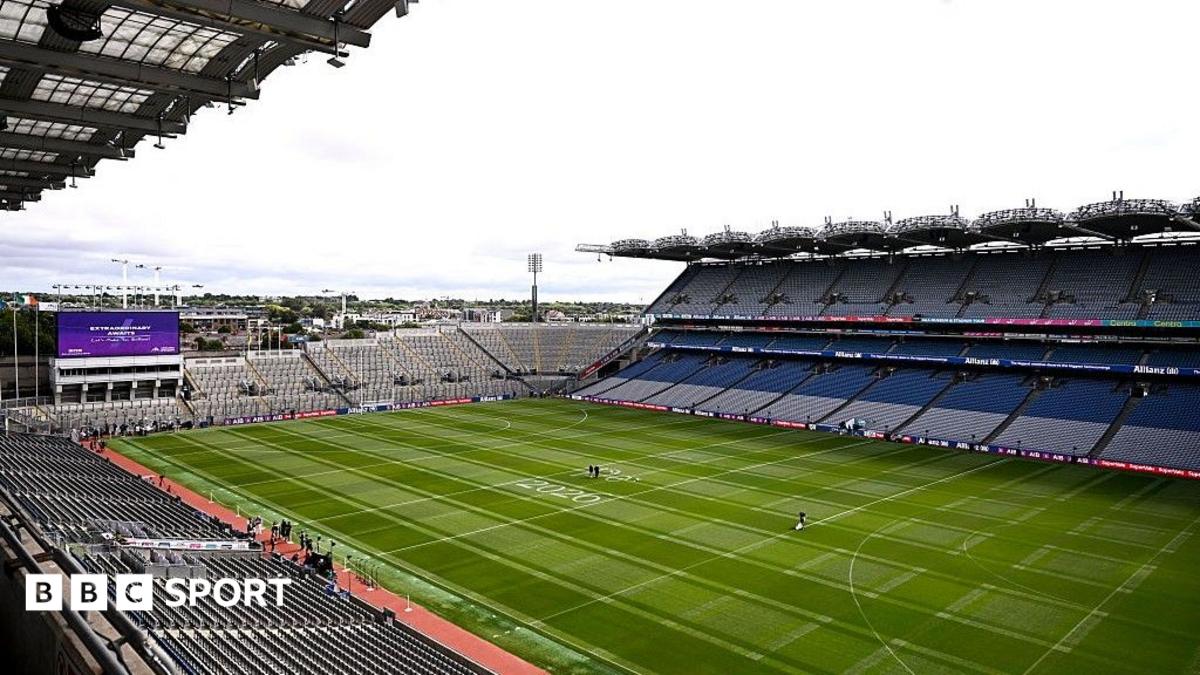
Croke Park, historically a potent symbol of Irish nationalism, has evolved to accommodate sports traditionally seen as 'English' or 'foreign'. The stadium's transformation reflects a broader societal shift and increased flexibility regarding its use.
Background
The Gaelic Athletic Association's Rule 42 originally prohibited 'foreign' sports, specifically English football and rugby, from being played at Croke Park. This rule underscored a cultural separation, with GAA membership restricted for those involved in or watching such games until 1971. The stadium itself bears historical significance, having been the site of a violent reprisal attack in November 1920 where British forces killed 14 people, including Tipperary player Michael Hogan.
What Happened
Reconstruction work at Lansdowne Road, the traditional venue for Irish soccer and rugby teams, began in 2007. This necessity prompted a significant debate within the GAA, leading to an amendment of Rule 42 to temporarily permit association football and rugby at Croke Park. In 2010, with the opening of the new Aviva Stadium on the Lansdowne Road site, the policy allowing Croke Park to host other games on a case-by-case basis became permanent.
Why It Matters
Peter McKenna, Croke Park's stadium and commercial director, explained that games like rugby and soccer were once viewed as imperialistic or alien to native culture, leading to the restrictive membership rules. The subsequent amendment signifies a maturation and increased flexibility in societal attitudes. This change has allowed for strong relationships with the Football Association of Ireland and the Irish Rugby Football Union. England's rugby team has played at Croke Park twice, including a 2007 Six Nations match. Despite initial concerns, the playing of 'God Save The Queen' was met with audible support from English players and fans.
Key Facts
- Croke Park was historically associated with Irish nationalism and prohibited 'foreign' sports like English football and rugby through Rule 42.
- Until 1971, individuals involved in or watching 'foreign' sports were barred from GAA membership.
- The stadium was the site of a reprisal attack in November 1920, resulting in 14 deaths.
- Rule 42 was amended around 2007 to allow association football and rugby at Croke Park due to reconstruction at Lansdowne Road.
- The policy of allowing other games became permanent in 2010 when Aviva Stadium opened.
- England's rugby team played at Croke Park in 2007, losing to Ireland 43-13.
- Despite some complaints and opposition, the stadium now hosts events for the Football Association of Ireland and the Irish Rugby Football Union.
Sources reviewed
Project Chintan independently synthesized and analyzed information cross-checked across the sources listed above.