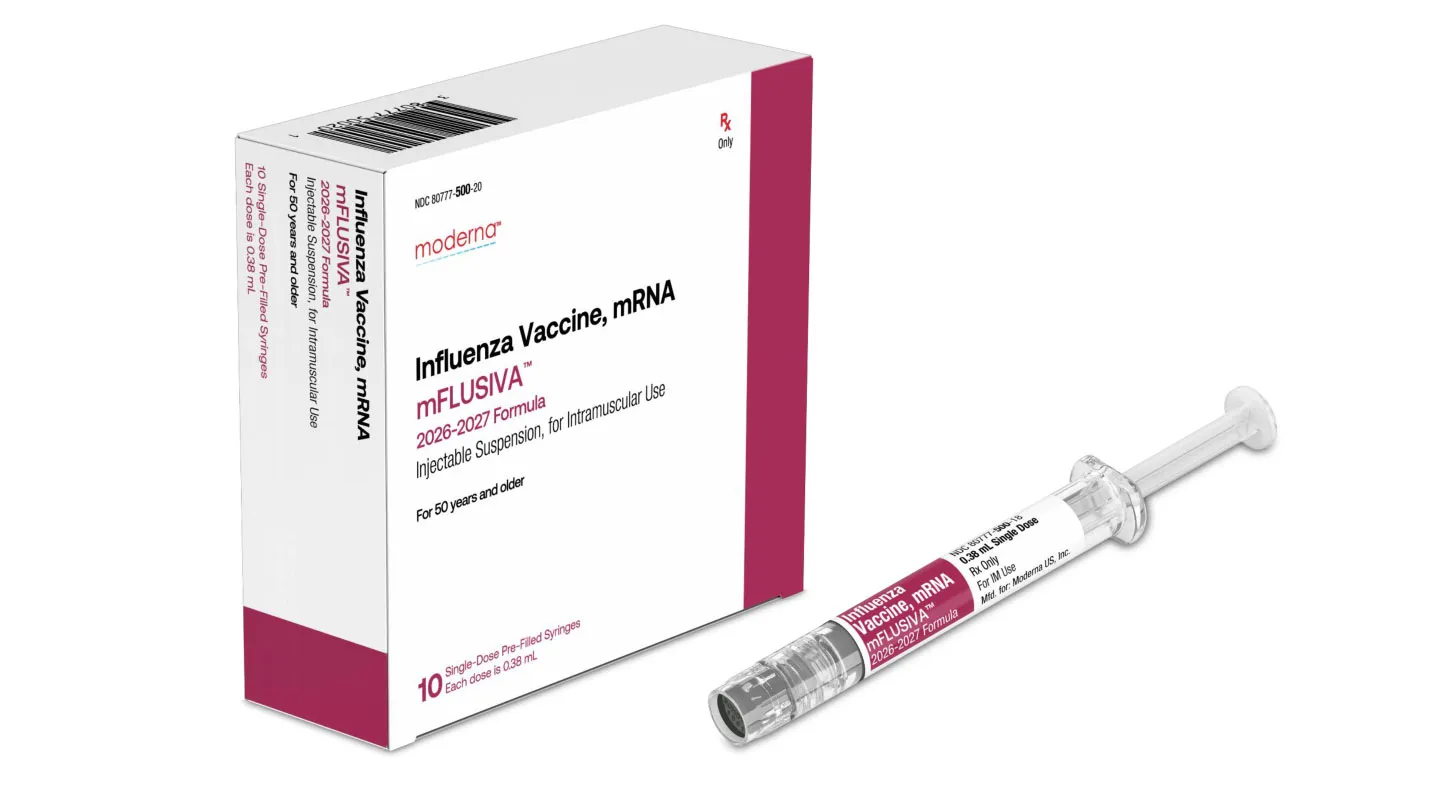
COVID-19 Shifts to Summer Surge in the U.S., Health Officials Note
COVID-19 appears to be transitioning from a winter illness to a summer phenomenon in the United States, with health officials observing a clear shift over the past few years. The U.S. Centers for Disease Control and Prevention reports rising cases in 43 states, indicating a national trend.
Key takeaways
- COVID-19 is increasingly becoming a summer phenomenon in the U.S., with higher peaks observed in summer months compared to winters.
- The U.S. Centers for Disease Control and Prevention notes rising cases in 43 states, indicating a widespread trend.
- Health officials are recommending current COVID-19 vaccines as effective against the ongoing summer surge.
- While less deadly than in earlier years, COVID-19 continues to pose risks, including long COVID and cardiovascular complications.

COVID-19 activity in the United States is increasingly concentrated in the summer months, a departure from its earlier pattern of winter surges. This seasonal shift has become more pronounced in recent years, leading public health experts to adjust their prevention strategies.
What Happened
Health officials and experts in California have observed that the state's COVID-19 peak occurred in the summer of 2025, exceeding its winter levels. Nationally, emergency department visits related to COVID-19 saw a higher peak in late August of the previous year compared to the winter months. While COVID-19 deaths have declined annually since the early pandemic, the disease previously followed a dual-peak pattern with a summer wave followed by a larger winter wave. This pattern has changed, with summer spikes now appearing more significant.
Why It Matters
The seasonal recalibration of COVID-19 raises questions for public health planning and individual preparedness. Experts are recommending the latest vaccines, noting their continued effectiveness against current surges. The shift also places COVID-19 in a unique category among respiratory illnesses, which typically peak in winter. While COVID-19 is less of a threat than in its initial years, it can still lead to severe outcomes, particularly for vulnerable populations such as the elderly, immunocompromised individuals, pregnant women, and young children. Additionally, infections carry the risk of long COVID and increased risks of cardiovascular events like stroke and heart attack.
Background
In the early years of the pandemic, COVID-19 exhibited peaks in both summer and winter, with winter waves being more severe. For instance, in 2021, national weekly COVID-19 deaths reached over 15,000 around Labor Day and peaked again above 21,000 in late January. Factors contributing to these earlier winter peaks included increased indoor activities due to cold weather, holiday travel, and gatherings. Since then, while overall COVID-19 deaths have decreased, the disease has historically followed a pattern of a summer wave followed by a more significant winter wave. This has notably shifted in recent years, with summer increases in cases, wastewater surveillance, and hospitalizations beginning to outpace winter activity.
Key Facts
- COVID-19 is growing or likely growing in 43 U.S. states.
- California and three other states have moderate or high COVID-19 wastewater activity levels, according to the CDC.
- COVID-19 emergency department visits peaked at 1.7% in late August of the previous year, compared to 1% during the winter peak.
- In California, COVID-19 emergency department visits peaked at 2.1% last summer, with a minimal winter peak of around 0.2%.
- A significant summer increase in COVID-19 cases, wastewater data, and hospitalizations was observed starting in 2024, dwarfing winter levels.
- This pattern continued in 2025, with more summer cases than winter cases reported.
- Factors for the recent shift may include new, fast-spreading coronavirus strains like the FLiRT subvariant in 2024 and Nimbus and Stratus subvariants in 2025.
- Low activity in the past fall and winter may be due to a lack of significant variant shifts and accumulated vaccine and natural immunity.
- COVID-19 can still be serious or deadly, posing risks to older, immunocompromised, pregnant, and very young individuals.
- Infections can lead to long COVID and increased risks of stroke and heart attack.
What Happens Next
Health officials are recommending that individuals, particularly those at higher risk, consider getting the latest available COVID-19 vaccines, which remain effective against the current surge. The U.S. Centers for Disease Control and Prevention is monitoring for changes in COVID-19 variants, which may be contributing to the current wave and seasonal pattern. The future trajectory of this summer surge and whether the seasonal shift will continue in the coming years remains under observation.
Sources reviewed
Project Chintan independently synthesized and analyzed information cross-checked across the sources listed above.
Related stories

Karnataka High Court: Relabeling Expired Food is 'Calculated Assault on Public Health'
Measles Cases Rise in Pennsylvania Amid State Outbreak